
Howe Center Scholars Examine Writing, Learning, and AI in Alumni Webinar Series
Howe Center Scholars Examine Writing, Learning, and AI in Alumni Webinar Series

Last month as part of the Miami University Alumni Association’s webinar series Love. Honor. Learn., Howe Center for Writing Excellence Director Elizabeth Wardle, and Howe Writing Across the Curriculum Assistant Director Mandy Olejnik, delivered two complementary talks exploring different aspects of writers' relationship to generative artificial intelligence, and advocating the establishment of a set of personal principles around the use of AI.
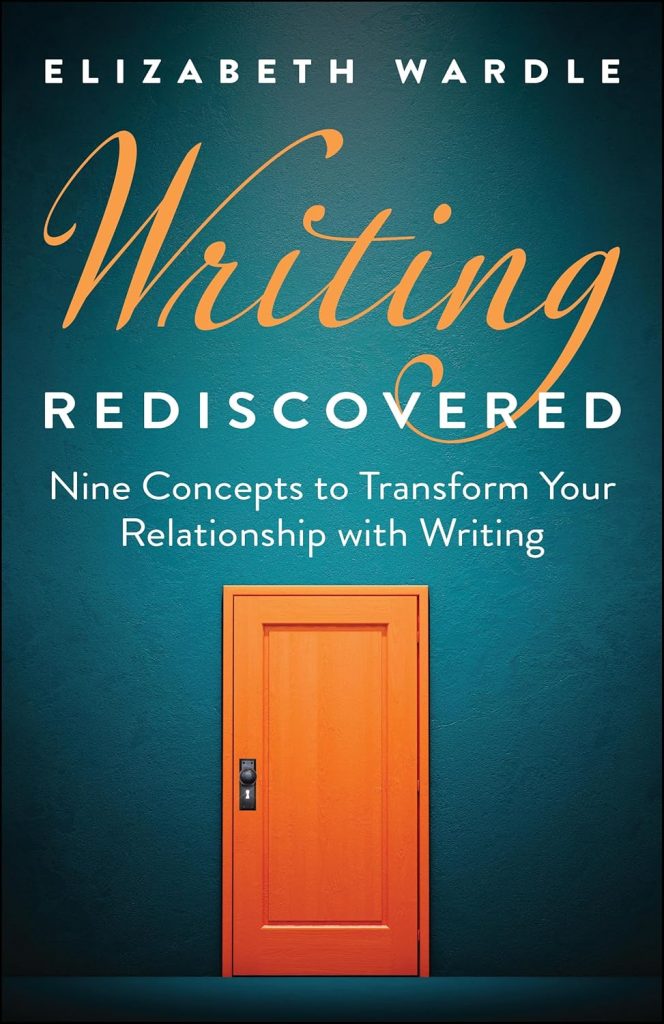 Drawing from key ideas in her newly published book Writing Rediscovered, Wardle examined the many ways writing mediates important activities in our lives, and how AI use might sometimes get in the way.
For Wardle, AI promises writers who have a vexed relationship with writing a seemingly “easy” solution and helps them avoid a task that might be a lifelong struggle due to school experiences or high-stakes writing tests.
She argues, however, that learning is a vital part of the writing process that writers shouldn’t skip. Delegating writing to AI actually skips the important process of using writing to better understand our own ideas and develop our thinking.
Wardle also emphasized that writing is fundamentally social. Writing is not just a “product” that conveys information. Writing cultivates empathy, joy, and the relationships that sustain communities. “Writing connects you to other people,” she explained, “helps you learn and think critically, and engages you in the process of developing as a person, a thinker, and a human in community.”
Wardle ended the talk by encouraging listeners to articulate their own guiding principles for when and how to use AI. Rather than prescribing rules for what a relationship with AI should be in the classroom or the professional world, she instead advocates for making careful choices.
To watch the full talk go here: Learning to Embrace Writing for Learning and Human Connection in the Age of AI
To order Writing Rediscovered go here: Writing Rediscovered

Olejnik’s talk also invited viewers to reflect on their existing writing practices as an extension of her AI micro module AI and Writing. Starting with providing a framework for what writing is and what that means in the age of AI, she then examined some potential AI usage scenarios with the aim to ask the audience to understand their personal principles around AI use.
Olejnik encouraged viewers to consider their earliest experiences with writing. This act of reflection highlighted both positive and negative associations around writing, much of that built on the feedback received in a particular context. She emphasized that writing is a core part of how we learn and how we think: “when you think about writing, you may think about a piece of writing that you have completed. But that is not the only product writing is. It is also this ongoing process of being in a conversation and a community.”
After establishing this foundation, Olejnik turned to several potential AI-use scenarios, drawing on a framework developed by fellow Miami professor and webinar guest Dennis Cheatham. The framework invites writers to consider the role AI might play in any given project by asking questions such as: Will AI function as a thinking partner? A respondent? An audience member? And, most importantly, what ideas are you working to think through?
She concluded by also encouraging writers to develop their own personal principles for AI use, guidelines to clarify where they stand in different scenarios, from writing an email for a high-value client to making grocery lists at home. In a fast-paced world of technological change these kinds of principles can provide stability and direction as new tools emerge: “Principles are also things that can help us make hard decisions by operating based on what we stand for when we have a lot of emotions affecting us.”
To watch the full talk go here: Writing, Agency, and AI