
Panel discusses AI's role, future uses in commercial real estate
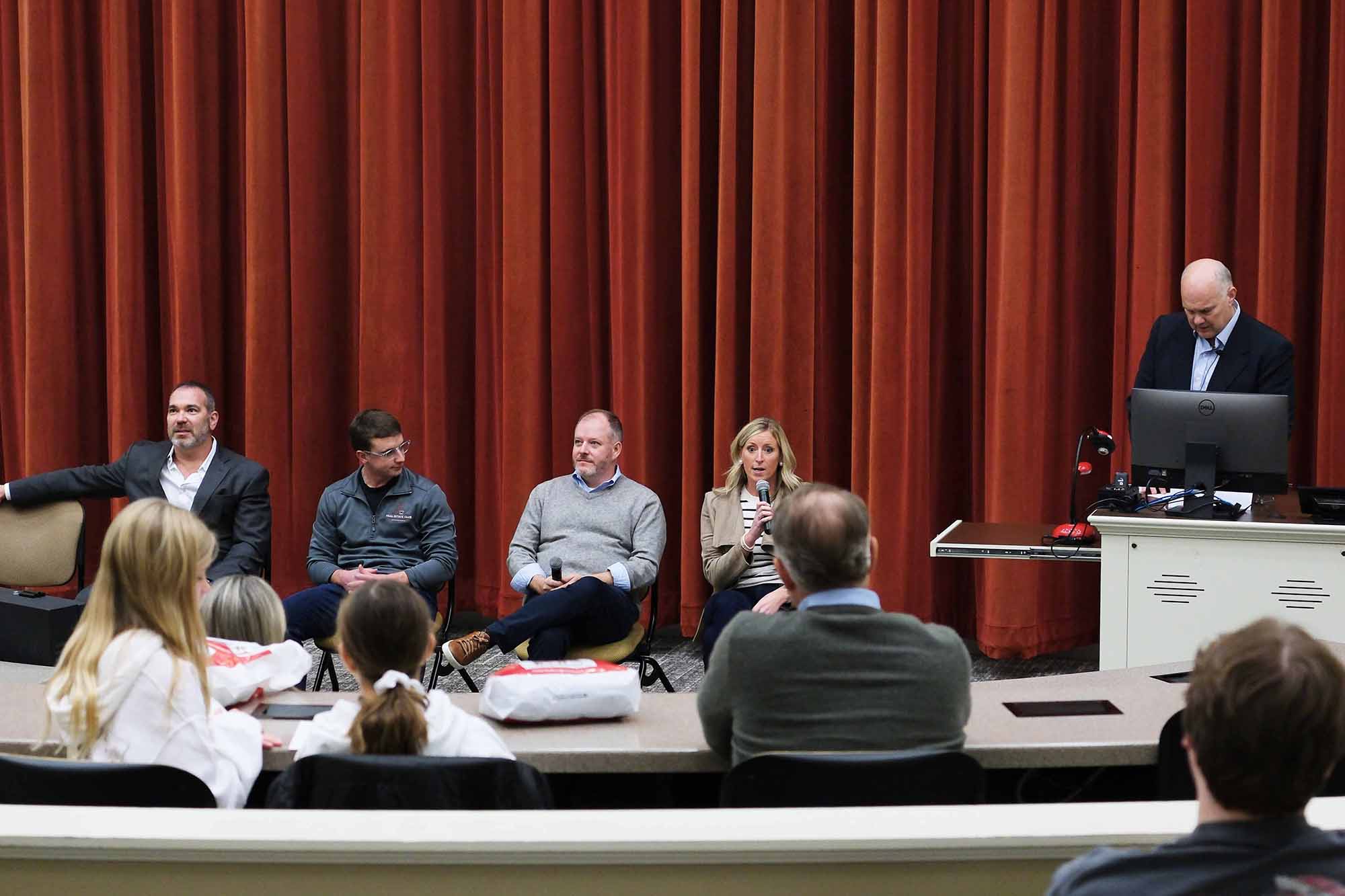
A mix of industry experts and current FSB students discuss how artificial intelligence could or should impact the commercial real estate business
Panel discusses AI's role, future uses in commercial real estate
A mix of industry experts and current FSB students discuss how artificial intelligence could or should impact the commercial real estate business
The world of artificial intelligence is growing daily and reaching into more areas of business and life. This month’s Farmer School of Business Real Estate forum was centered on the impact of AI on working within commercial real estate, now and in the future.
“Embrace it and make it a part of everything that you're doing. Become native to it and let it become native to you,” Brad Mascho, Chief Digital Officer at BWE, told students.
Mascho was joined by Amy Hall, co-founder of Momentum Recovery and Headspace; Martin Rosenberg, partner at the Townsend Group; and FSB junior Finance major Michael Leccese for the wide-ranging discussion hosted by Tyler Wiggers, director of Miami's Center for Real Estate Finance and Investment (REFI).
Wiggers prompted the discussion with several questions:
What do you think is the greatest opportunity or risk in AI to the commercial real estate industry right now?
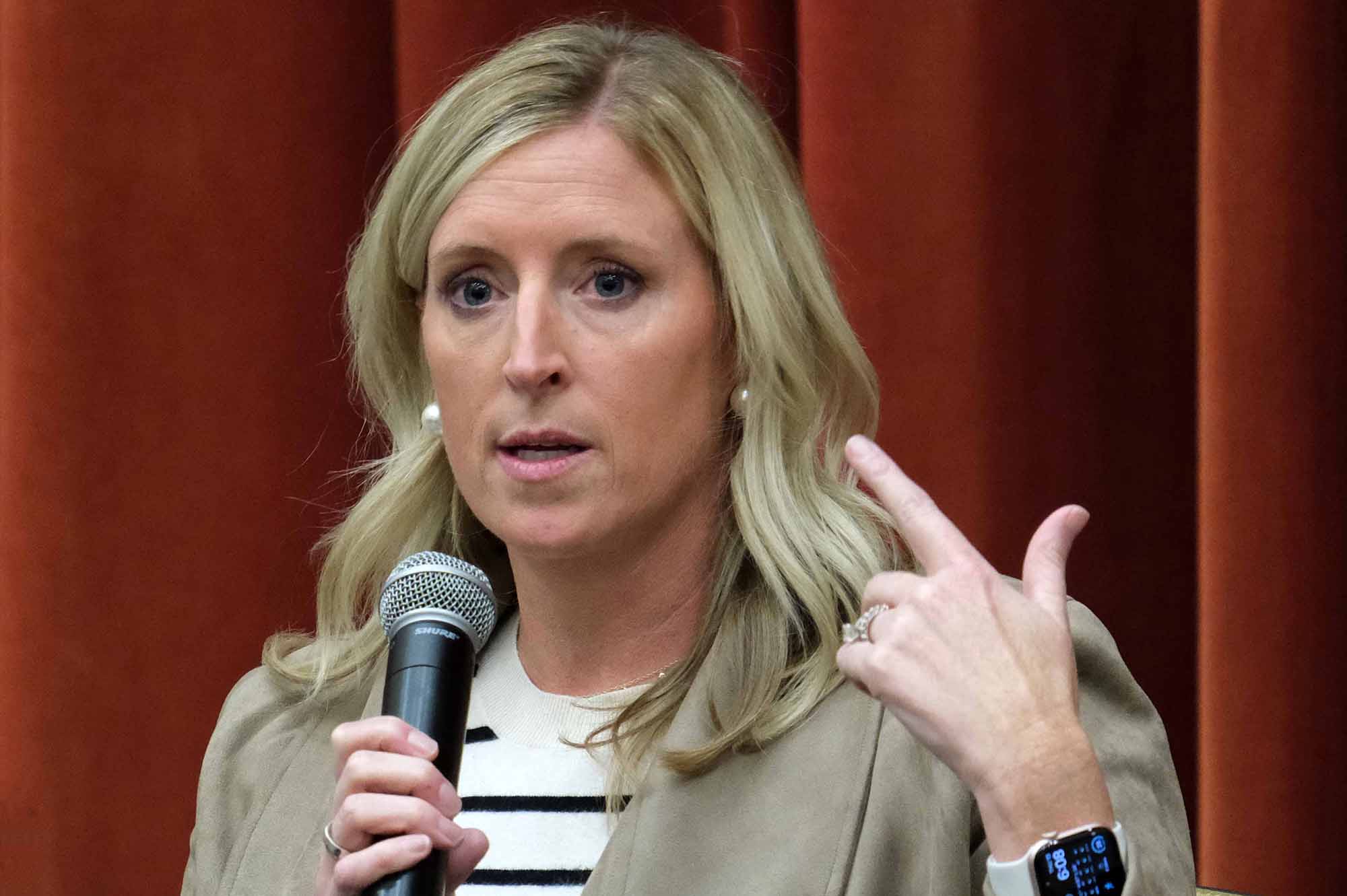 “I would say an opportunity is to leverage and work with AI for the lower-level tasks. Over the last 12 months, we would have spent north of $300k by now on everything from consulting agreements and marketing to web pages and logo designs that within seconds we've been able to use AI software to help,” Hall said. “The biggest risk is that somebody doesn't interpret it right. AI is a really great way to springboard an idea, but you have to check the sources. You have to really work and refine what your model is and what we as human beings want our product to be.”
“From an opportunity standpoint, it's endless, all of the things that you can generate. And it has to be at the tip of your fingers,” Mascho said. “On a risk side, it's the upskilling of the workforce. If you put in a really junky prompt into a Gen AI tool, what do you expect? It's not going to read your mind. You've got to work with it.”
How is AI being incorporated or used in your firms?
“We review investments that come to us from around the world for our clients, and there's a lot of information that comes in, so we're putting together a system that will take all that information, synthesize it, and give our investment review teams a launching pad to give them a step further into the process,” Rosenberg said. “So instead of having to aggregate information, they can start by sitting down with the managers and talking about strategy and higher-level analysis.”
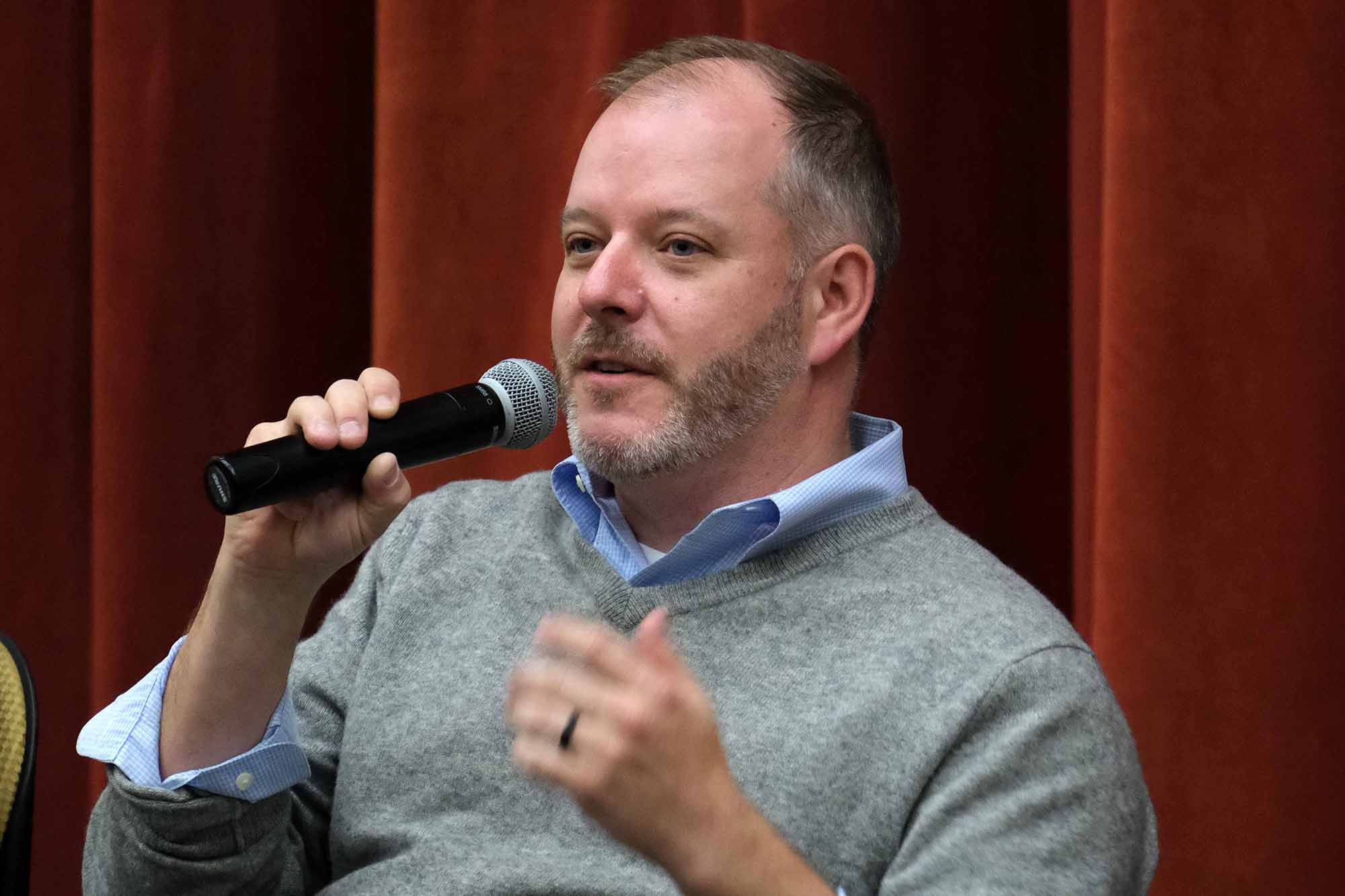 “We've put some tools into the hands of people within the business, and we're starting to see that these tools are good enough, the hallucinations are cut down enough where we can trust the workforce to take a tool like a Copilot or a ChatGPT, use it to rip a lease, use that to create an estoppel letter that can be generated across the business,” Mascho said. “We've got a ton of these examples that are now starting to happen at the edge of our business, where it doesn't have to become a resource that the technology team has to handle and then we don't have to centralize those use cases anymore.”
“We can do our own offerings. We can do our own subscription agreements. We can get them to a point down the road where it’s 90% complete and just have an attorney sign off. We don't have to have an attorney start and end the whole process,” Hall said. “We can write our own consulting agreements. We can do our own website.”
What impact has AI had on the hiring process?
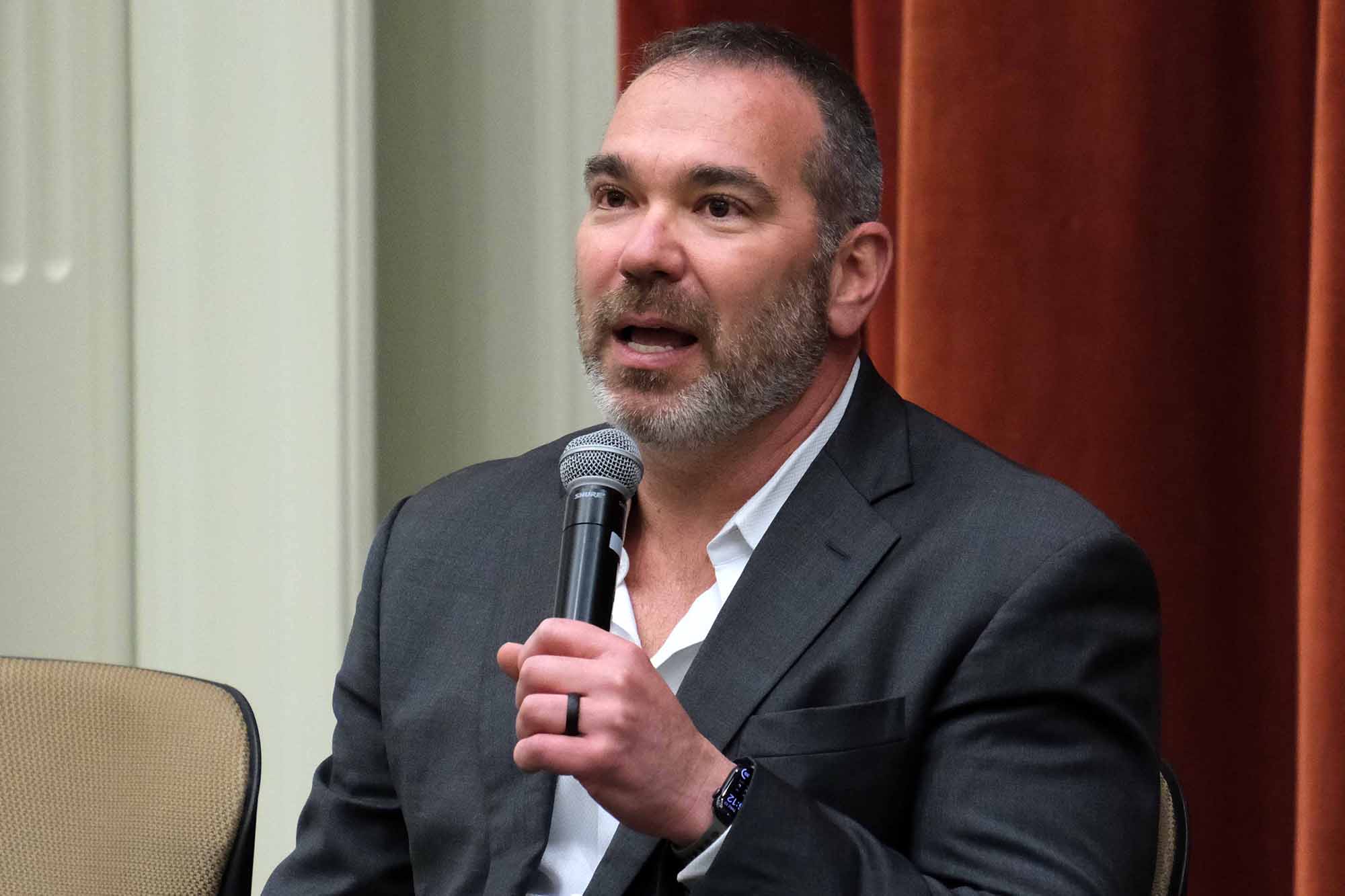 “There's a lot of talk about AI displacing entry-level hires, and I think it can be used to replace those kinds of functions, but I think it'd be a mistake to do that, in part because I don't think the technology's quite there yet, and in part because there are some things it's never going to be able to do,” Rosenberg said. “I think AI is best used not to just keep doing what we've been doing but do it more efficiently. I think it's best used as a tool to do new and different things and be more sophisticated and get a competitive edge. And it's all of you students who are going to bring that competitive edge.”
Are there any type of roles or processes that you feel AI will never take over for humans?
“I don't think you can replace the client relationship. You won't have computer clients. I think every single one of us when we're going to the doctor wants to see an actual doctor, wants to have a conversation. Every single one of us when we're getting ready to make a big investment, wants to know who's on the other end of that. I think that the relationship piece of it will remain,” Hall said.
“You've really got to think about how you're going to engage with AI and how you're going to make it a part of your offering for the next 30 or 40 years in your career,” Mascho noted. “Every production analyst, every producer, every closing analyst, our servicers, our asset managers, we have to think about how they are interacting with those tools. And it doesn't mean that that people are going to lose jobs because of it, but it's definitely going to change the way that they work and how we get the most capacity out of those people.”
“it's really a couple of functions. It's assessment of risk and judgments about trust. In our business, you're making commitments and partnerships that might last 5 years, 10 years or even longer, and those decisions are going to be judged with the benefit of hindsight,” Rosenberg explained. “I don't think an AI can ever make that kind of a judgment, such as, ‘Are we really comfortable doing this?’”
How do you think that students right now should be preparing to complement AI usage and not compete against it?
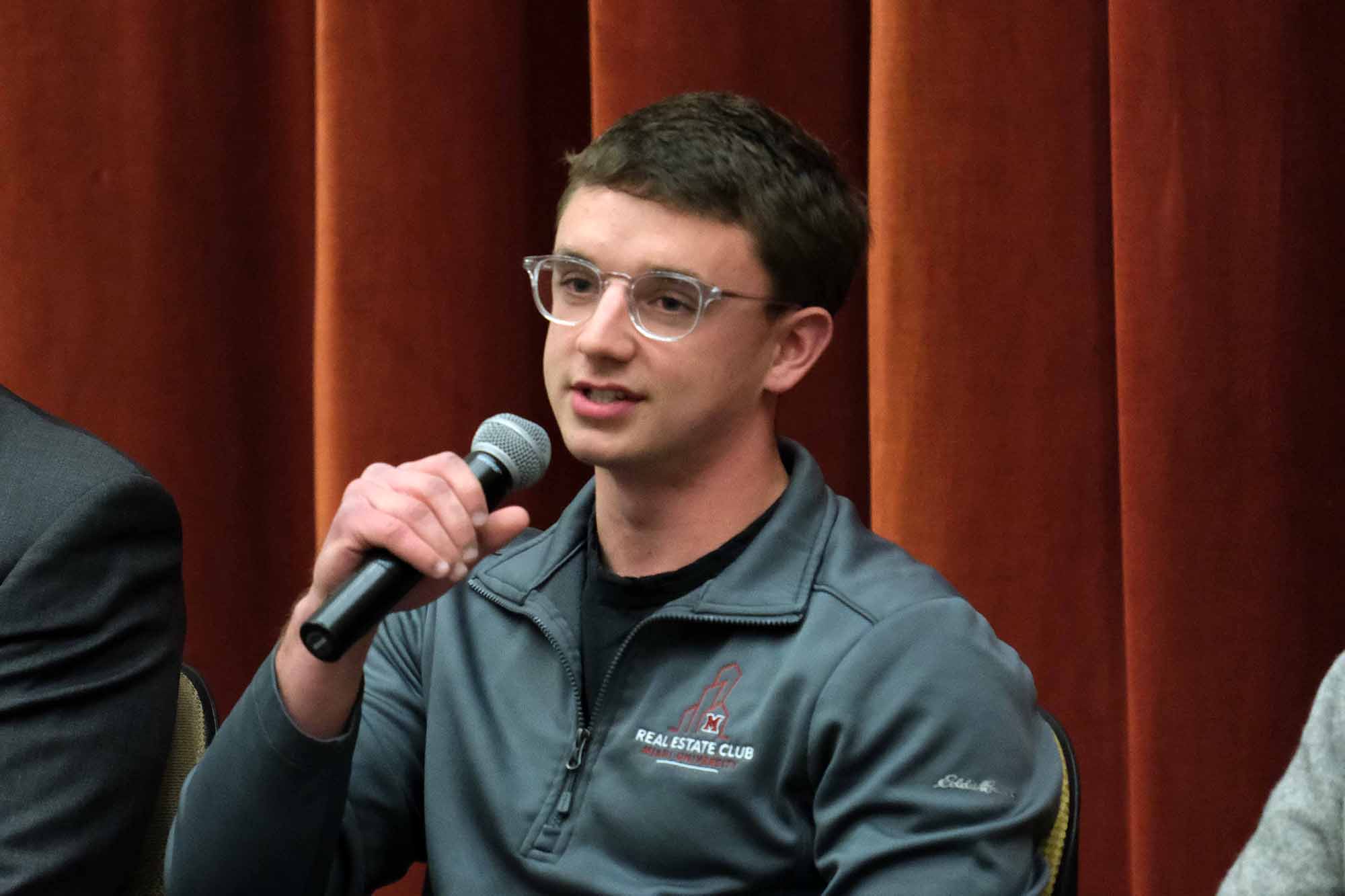 “That's something that I think about a lot as a student, because sometimes you get worried that it can replace you, but I think that the focus is trying to learn how to use it day to day. I was working in real estate asset management this past summer, and a lot of the times someone would say, ‘Hey, I need you to make an Excel model,’ and I would use one of the tools called Copilot,” Leccese recalled. “If you're going through the model and there's a number or a formula that you don't understand, you can interact with Copilot to understand what it means or what is it trying to say for the model.”
“I'm glad to hear that you were getting value out of Copilot, because we get a ton of value out of it. About half of our people are heavy users of AI tools on a daily basis,” Mascho said. “But you have to know the business. You have to know the job. You can't just trust the AI yet because we are still at a point where you put things into your prompt, and if you know what you're doing, and you know what answer you were trying to get to, you're going to recognize when AI has hallucinated or made up something.”
“It's knowing the tools and the appropriate settings, because there's new tools every single day, so where you all could really bring more value is those of us that are not searching for a new tool every single day, that's part of your daily life in this learning environment. Learn and find the best tools,” Hall said. “That’s the language to be able to speak to add value, because we know about ChatGPT and Grok and you know all the others, Copilot and all that, but we don't necessarily know all the new software systems.”
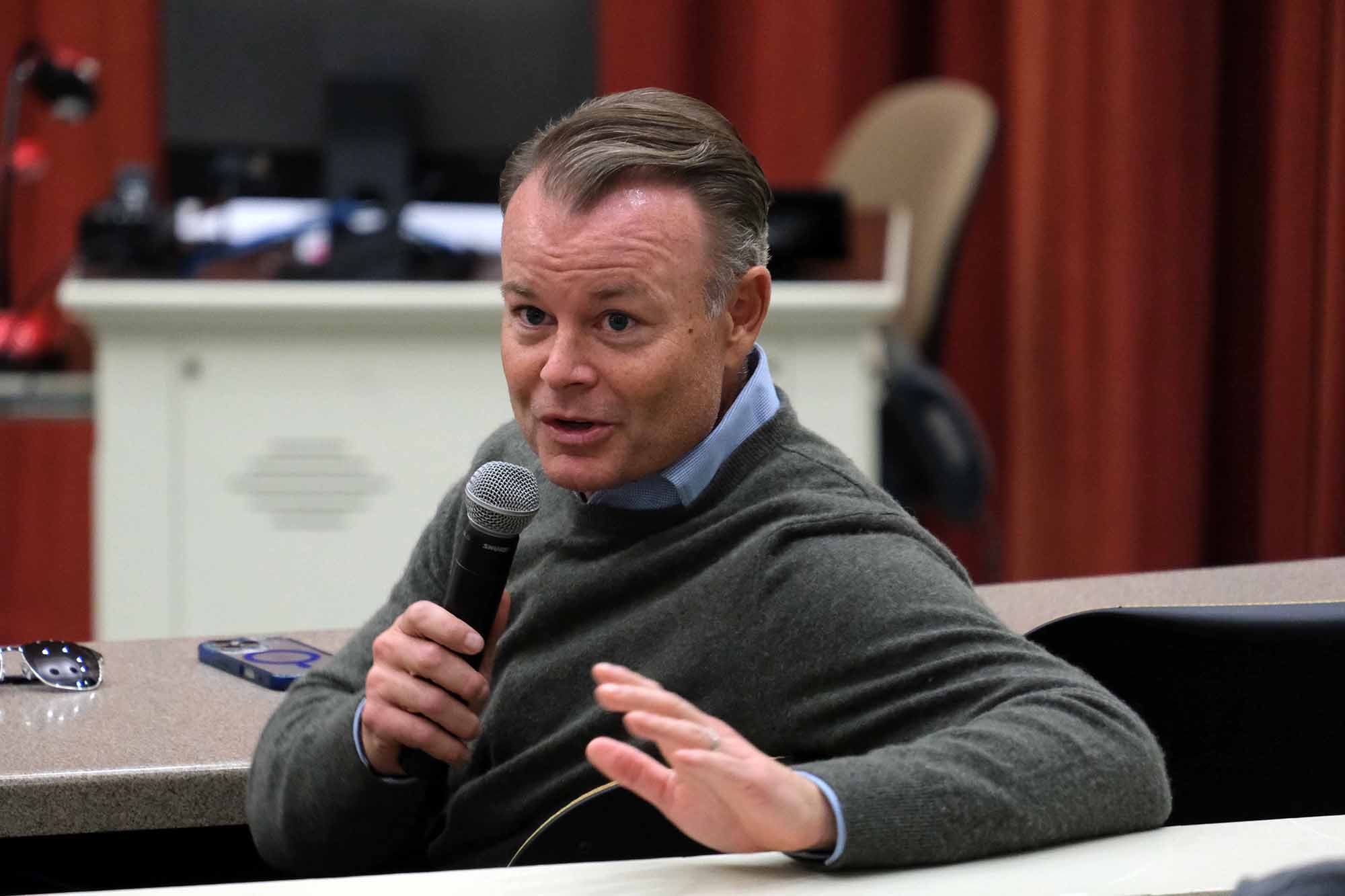 DJ Effler, CEO and president at BWE, had the final words of the night for the students in attendance.
“It strikes me that it would be kind of daunting sitting in your seat thinking about how technology is hitting this industry. I want to leave you with a bit of optimism as you sit here. I think you are in an amazing spot,” he said. “But if you're bringing that ambition and that ‘I'm going to figure this out’ attitude to the game, you're going to be embraced, and I think you're going to have tremendously fast career progression.
“You're going to have great careers, and this place is giving you good access to good people, and that's what getting a start in an industry is really all about.”