
Friday, March 6, 4-11 p.m.
Social Innovation Weekend
Overview and Registration
 An immersive weekend experience where students work together to create actionable solutions to real-world challenges. Through brainstorming, testing ideas, and pitching innovative concepts, participants will explore the theme of literacy and examine how different factors shape access and opportunity. From reading and media literacy to financial, digital, and health literacy, students will uncover how knowledge empowers communities. With the support of experienced mentors, this event offers a unique chance to build skills, make connections, and turn ideas into meaningful impact.
Sign up for Social Innovation Weekend:
- ESP 102 registration deadline: March 6, 2026
Sign up for Social Innovation Weekend PLUS two additional meetings, one prior to the weekend and one reflection meeting with a different topic focus:
- Educational focus - TCE420 registration deadline: Feb. 20, 2026
- Global Health focus - GHS202 registration deadline: March 5th, 2026
SIW 2026 | Literacy
Saturday, March 7, 8 a.m.-11 p.m.
Sunday, March 8, 8 a.m.-3 p.m.
A Weekend of Innovation, Collaboration, and Social Change
Over the course of this weekend you’ll join a team, identify a problem related to the theme of literacy, and develop an innovative solution with guidance from mentors, community leaders, and faculty.
Plan to be present during the entire weekend.
- No prior experience in entrepreneurship is needed, just come with curiosity, creativity, and a willingness to collaborate!
- All majors welcome!
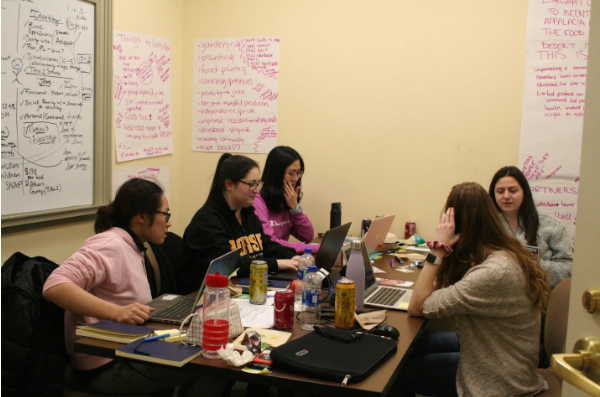
Be A Mentor!
Mentors are needed for Social Innovation Weekend to guide student teams as they develop innovative solutions that explore how literacy shapes access, opportunity, and connection across communities. Through various interpretations of literacy, students will examine the role understanding and communication play in creating meaningful social impact.
Literacy
Literacy isn’t just about reading and writing, it’s about how we access, understand, and share information in every part of life. SIW2026 challenges participants to think broadly about literacy, from traditional skills to the ways we communicate, create, and connect in a changing world.
Reading Literacy
The most notable way to think about literacy is the capacity to read and write, for this the United States ranks 36th globally in literacy with 54% of adults having a below 6th-grade skillset. This alarming gap has a not-so-unique correlation between socioeconomic and gendered disparities.

Digital Literacy
The average person spends nearly seven hours online each day consuming information. With so much of life happening through a screen, the digital world shapes how we see, think, and act. Yet many are ill-equipped to critically examine sources or even determine reality between AI.

Financial Literacy
The percentage of US adults with poor financial literacy skills continues to increase. It isn’t an evenly distributed issue, it reflects long-standing socioeconomic, racial, and gendered disparities. Many Americans struggle to understand interest rates, credit, and basic investment concepts, leaving them vulnerable to cycles of debt and instability. Explore how access to financial knowledge can drive equity and independence.
Health Literacy
Health literacy can build trust and advance health equity. The ability to find, understand and use information to make informed choices about one’s well-being.

Visual Literacy
In a world where information is increasingly visual, developing this form of literacy empowers people to analyze meaning, communicate ideas effectively, and engage creatively with complex content.

Environmental Literacy
Awareness of sustainable decision-making.
Contact Us
Farmer School of Business
800 East High Street
Oxford, OH 45056