
How an accidental discovery could help conserve Pygmy raccoons, an endangered species
Project Dragonfly researchers documented pygmy raccoons making receipt balls, a learned behavior with conservation potential
How an accidental discovery could help conserve Pygmy raccoons, an endangered species
Project Dragonfly researchers documented pygmy raccoons making receipt balls, a learned behavior with conservation potential
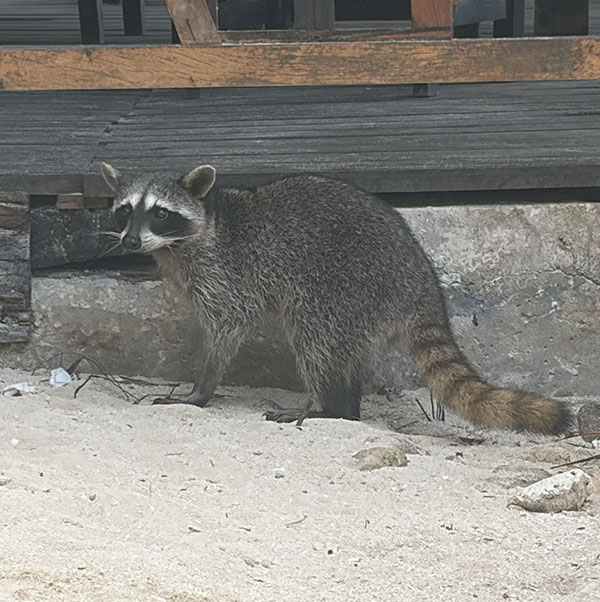
A new study published by Miami University researchers in the journal Wild documented pygmy raccoons on the Mexican island of Cozumel using paper receipts to form balls, playing with them, and then teaching others to do the same.
This discovery of material culture within the pygmy raccoon population also points to learned behaviors that conservationists can use to help preserve this critically endangered species.
With fewer than 200 remaining in the wild and little known about their social behaviors, any research that can help with their conservation is vital. Michelle Szydlowski, a visiting assistant professor and anthrozoologist at Miami’s Project Dragonfly and co-author of the study, said there is not a chance of the species rebounding without serious human intervention.
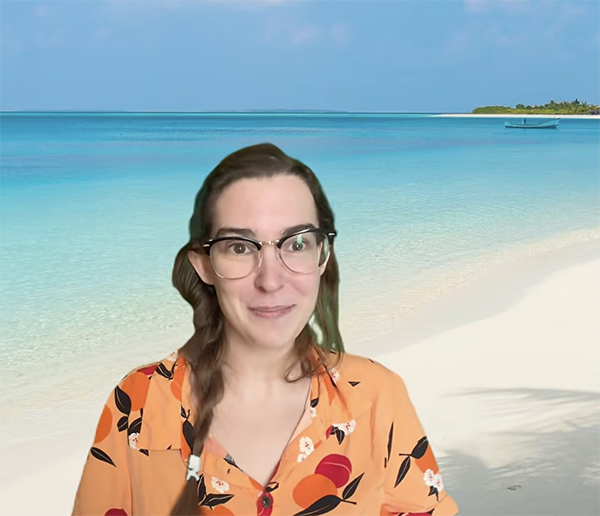
The ball-making was documented by Nessie O’Neil, lead author and Biology master’s student at Project Dragonfly. She was in Cozumel conducting direct behavioral observational research of tourism’s impact on the pygmy raccoons when she made the discovery.
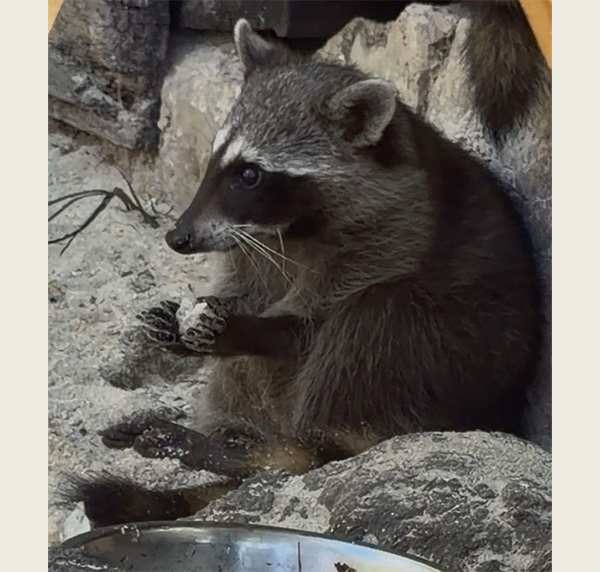
While recording the raccoons’ interactions with the garbage created by tourists, O'Neil watched one take a receipt from a trash bin, dunk it into water, roll it in sand, and form it into a ball to use as a toy. The raccoon then taught its family how to make balls with receipts and play with them too. O’Neil noted 14 ball-making attempts over a cumulative 64 hours of observation. At a comparable tourism site with juvenile raccoons and access to paper and water, this behavior was not observed.
Szydlowski said many highly intelligent social species have cultures, but material culture, or “creating something different out of something else and passing it along,” is really novel. It’s the first recorded instance in raccoons, she added, and the accidental nature of the discovery made it even more interesting.
Pygmy raccoons — smaller than common mainland raccoons — are found only on Cozumel. Tourism development on the island has led to habitat loss of the mangrove and coastal ecosystems that the raccoons inhabit, as well as increased interactions with humans. The raccoons’ preference for human garbage (especially tortilla chips) over their normal diet of crabs, fruit, and lizards is causing high rates of malnutrition.
“I know a lot of people think the ball-making thing is cute, and it is, but it also helps us understand how raccoons teach new skills and share information between one another and their family groups,” O’Neil said. “That helps us researchers know how we can best teach these animals to help healthy behaviors spread.”
Part of that conservation plan O’Neil describes is to teach the raccoons to forage for crabs rather than opting for a serving of tortilla chips, but having worked in wildlife rehabilitation, she knows getting this plan approved isn’t easy.
“A lot of wildlife rehabbers have information that is useful and true, but is not backed by science. If something is not backed by science, we cannot get a permit to do it because we can’t test this on an endangered species,” O’Neil said. Her study can help future conservation plans be approved by the Cozumel Municipal Ecology Department.
O’Neil also observed a pregnant raccoon drinking alcohol left behind by tourists, then lying drunkenly in the sand to be petted by other tourists. The impact of alcohol on the population is unknown, highlighting the need to continue researching.
O’Neil was awarded the Richard A. Howard Fund to support her fieldwork for the pygmy raccoon research.
- Watch a video of O’Neil, “I discovered a new behavior in critically endangered Pygmy raccoons,” on her YouTube channel.