
Skip to Main Content

Classical Studies

Explore Classics, Shape Tomorrow

Explore how the art, literature, and philosophy of ancient Greece and Rome shaped today’s world. From democracy and justice to questions of identity, class, race, religion, and power, Classical Studies at Miami University offers powerful insights into modern life through the lens of ancient civilizations. Discover the roots of today’s ideas, values, and institutions in one of history’s most influential cultures.

World Languages and Cultures, B.A.

Discover the power of language and culture at Miami University. Our World Languages and Cultures BA blends modern languages, global cultures, and real-world skills to help you thrive in a connected world. Whether you're starting fresh or continuing your studies, this degree opens doors—from Oxford to across the globe.

Pick your Path:

  • World Cultures and Historical Perspectives 
  • World Stories, Literature, and Cinemas
  • Immersive World Languages 


Why Study Classics?

At Miami University, the Classical Studies program invites students to explore ancient Greece and Rome through a flexible, interdisciplinary curriculum that builds strong skills in critical thinking, communication, and ethical reasoning. With hands-on opportunities like study abroad, undergraduate research, and pathways to careers in law, medicine, education, and the arts, this minor offers a powerful launchpad for future success.

Work within an interdisciplinary framework

Our Classical Studies program offers a flexible, interdisciplinary approach to the ancient world—blending Latin, literature, art, archaeology, philosophy, history, law, and more. Students can tailor the major or minor to their interests, gaining valuable skills through diverse perspectives on Greek and Roman civilization.


Prepare for post-graduate study in medicine and law

Law and medical schools value Classics for the strong critical thinking, writing, and analytical skills it develops. With roots in Greek and Latin, Classics provides a competitive edge for students pursuing careers in law, medicine, and other advanced fields.

Take advantage of study abroad and independent research opportunities

Classical Studies students can enhance their education through study abroad programs in Greece, Italy, and other parts of Europe, gaining firsthand experience of the ancient world. Many also engage in undergraduate research through competitive programs like the Undergraduate Summer Scholars and Dean’s Scholar Program. Early planning with a Classics adviser is encouraged to take full advantage of these opportunities.

Graduates with a Classical Studies minor have pursued successful careers in diplomacy, education, finance, law, medicine, museum studies, publishing, tourism, and writing. Students interested in Latin teaching and licensure should follow specific admission guidelines outlined by the School of Education and Allied Professions.

Our Minor

The Classical Studies minor offers students a flexible, interdisciplinary path to explore ancient Greek and Roman literature, history, philosophy, and culture. With opportunities for study abroad, undergraduate research, and career preparation in fields like law, medicine, education, and the arts, this minor adds global depth and critical thinking to any major.

Learning Outcomes

At graduation, we expect that Classical Studies minors can:

  • Create their own knowledge: Persuasively develop own interpretation of the material; takes into account counterarguments; applies secondary sources and theory where appropriate; uses primary source evidence in support of independent analysis
  • Evaluate interpretations of secondary scholarship in terms of primary source evidence: Evaluates multiple interpretations by weighing their validity in relation to the primary source
  • Identify the scholarly context: Locates appropriate research findings used by scholars in classics and related fields
  • Identify primary source evidence: Locates relevant evidence within primary sources in support of the research study
  • Cite sources: Cites primary and secondary sources according to conventions used by scholars in the field
  • Use proper syntax and mechanics: Communicates ideas with clarity and fluency using accurate grammar and spelling

Beyond the Classroom

Contact the Department

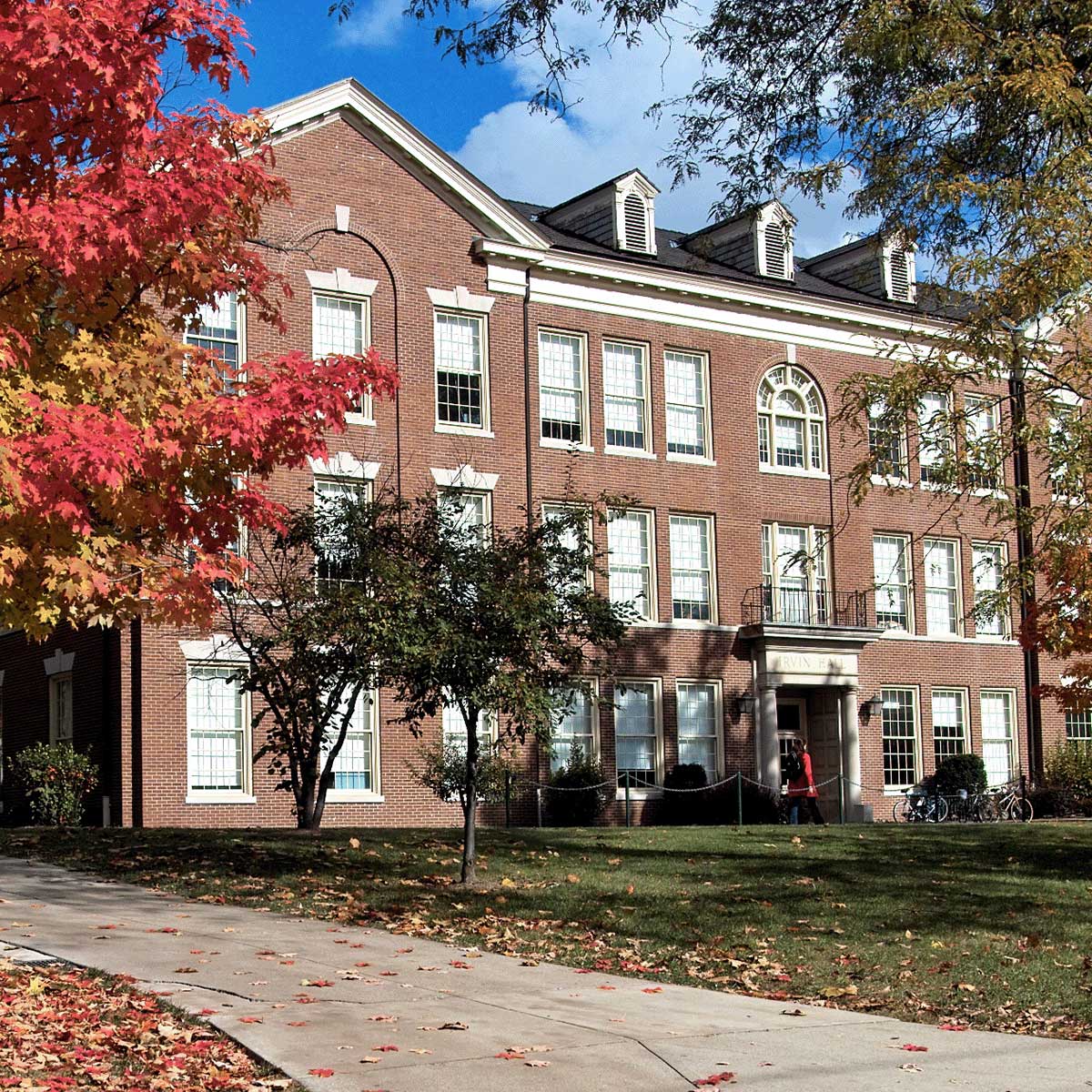
Irvin Hall South Entrance

Department of World Languages and Cultures

Irvin Hall 105
400 East Spring Street
Oxford, OH 45056-3645
United States
(513) 529-2526
 

Dr. Mila Ganeva, Chair
Email: wlc@MiamiOH.edu