
Miami University College of Creative Arts announces transformational gift to support art museum leadership
The College of Creative Arts (CCA) at Miami University has received a significant philanthropic commitment from Jason T. Busch ’96 and Duane G. Middendorf to strengthen leadership at the Richard and Carole Cocks Art Museum at Miami University.
Miami University College of Creative Arts announces transformational gift to support art museum leadership
The College of Creative Arts (CCA) at Miami University has received a significant philanthropic commitment from Jason T. Busch ’96 and Duane G. Middendorf to strengthen leadership at the Richard and Carole Cocks Art Museum at Miami University.
When Jason T. Busch ’96 arrived at Miami University in the early 1990s as an American Studies major, he wasn’t entirely sure what the future held.
“What I discovered at Miami was the freedom to shape my education around my interests,” says Busch, “and professors who genuinely wanted to help students find their path.”
That flexibility, combined with the mentorship of Miami faculty and staff, would ultimately launch Busch into a nationally recognized museum career as a curator and director, and inspire a transformational gift to support the future of the Richard and Carole Cocks Art Museum.
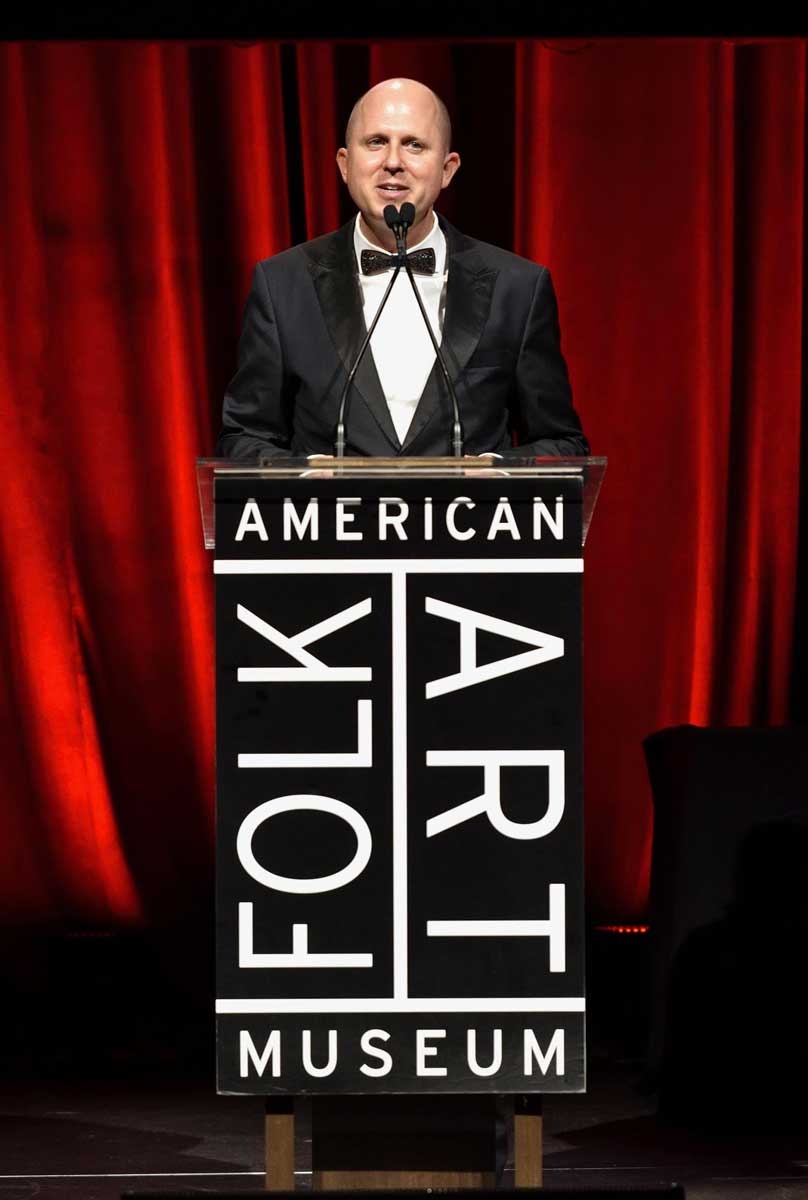
Today, Busch serves as the Becky and Bob Alexander Director & CEO of the American Folk Art Museum (AFAM) in New York, where he recently helped AFAM rank as the “#1 Best Art Museum” by the readers of Newsweek. He traces the foundation of his career back to the opportunities and encouragement he received as a student at Miami.
One of the earliest turning points came in an American Studies course taught by visiting professor Gretchen Buggeln. In the class, Busch encountered a series of readings focused on living history museums and art museums that immediately captured his attention.
“I came to Miami thinking I would become a history professor,” Busch said. “But those readings opened my eyes to museums as places of education, storytelling, and public engagement. That really planted the seed.”
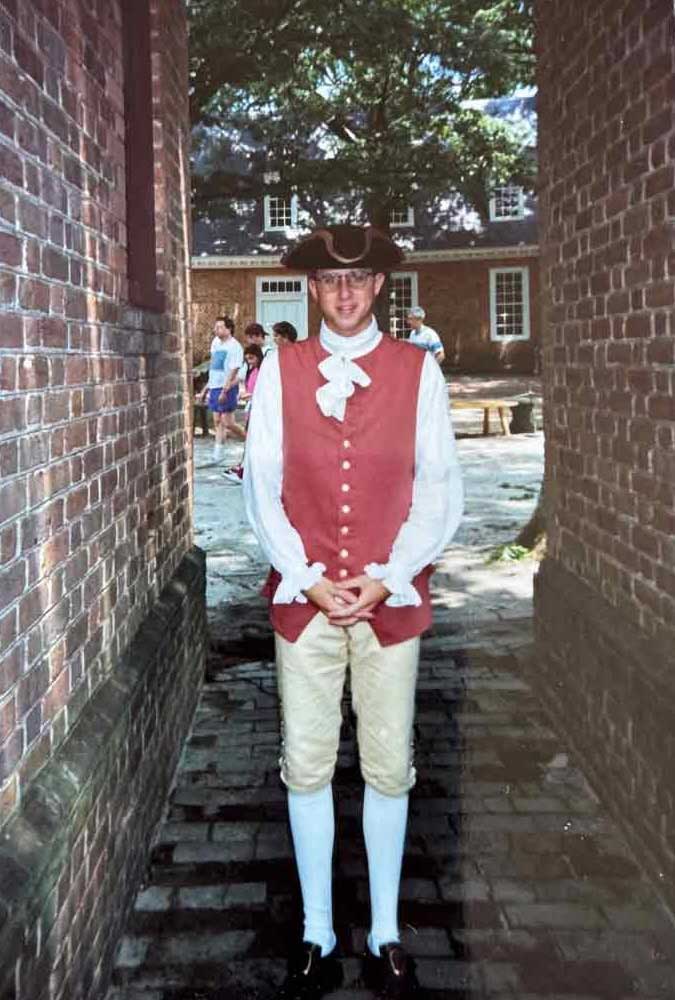
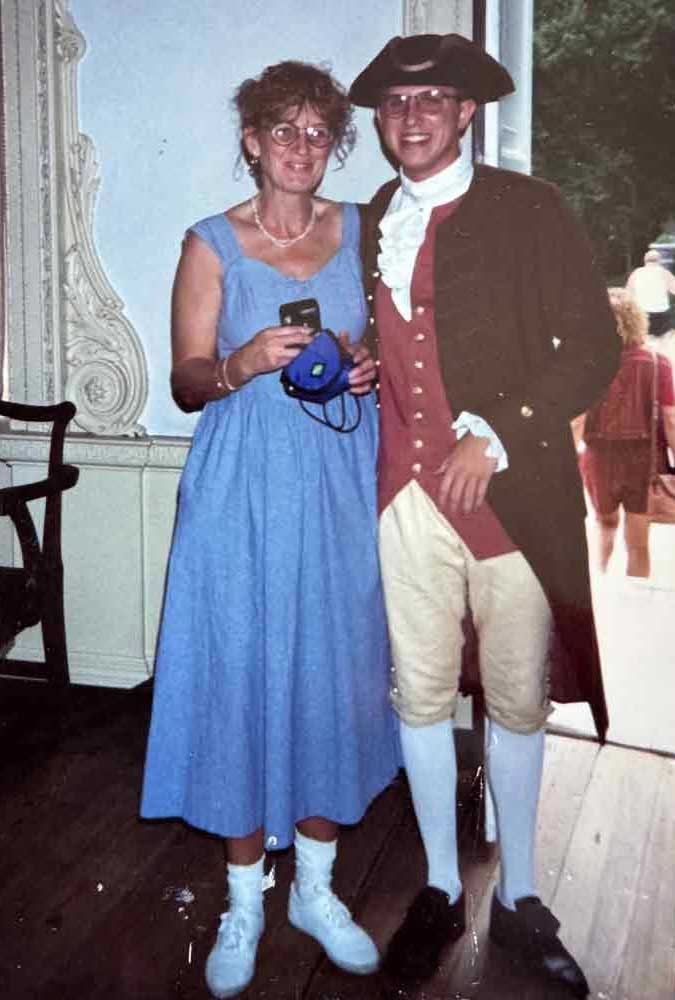
Buggeln encouraged Busch to pursue a semester-long internship at Colonial Williamsburg, where he worked alongside historian Cary Carson conducting historical research while also gaining firsthand exposure to museum education, archaeology, and exhibition design. He even gave tours in Governor’s Palace and other historic buildings.
The experience proved transformative.
“That internship completely changed my trajectory at Miami,” Busch said. “From that point on, it shaped the courses I chose, the activities I pursued, and ultimately the career I wanted.”
As Busch’s interests evolved, Miami faculty members continued helping him connect classroom learning with hands-on opportunities.
Mary Cayton, a now-retired professor of history at Miami, connected Busch with an internship at the Cincinnati History Museum, where he worked on an exhibition team and gained insight into the collaborative nature of museum work. His growing interest in material culture and historical objects also led him to become a conservation assistant at the Walter Havighurst Special Collections at Miami, creating conservation-safe housing for rare books.
“Museum work became real to me because of those experiences,” Busch said. “I wasn’t just studying history — I was learning how collections and exhibitions could tell stories and connect people to the past.”
Additional faculty mentors helped Busch further refine his interests. Architecture and art history coursework gave him opportunities to research and write about works of art from an historical perspective, while anthropology faculty helped deepen his appreciation for objects, including the cataloging of ancient ceramics. A study abroad opportunity in Luxembourg adding an international dimension to his academic experience. All the while, Busch was actively involved in the Miami University Student Foundation (MUSF), eventually becoming Co-Chair of Student Recruitment.
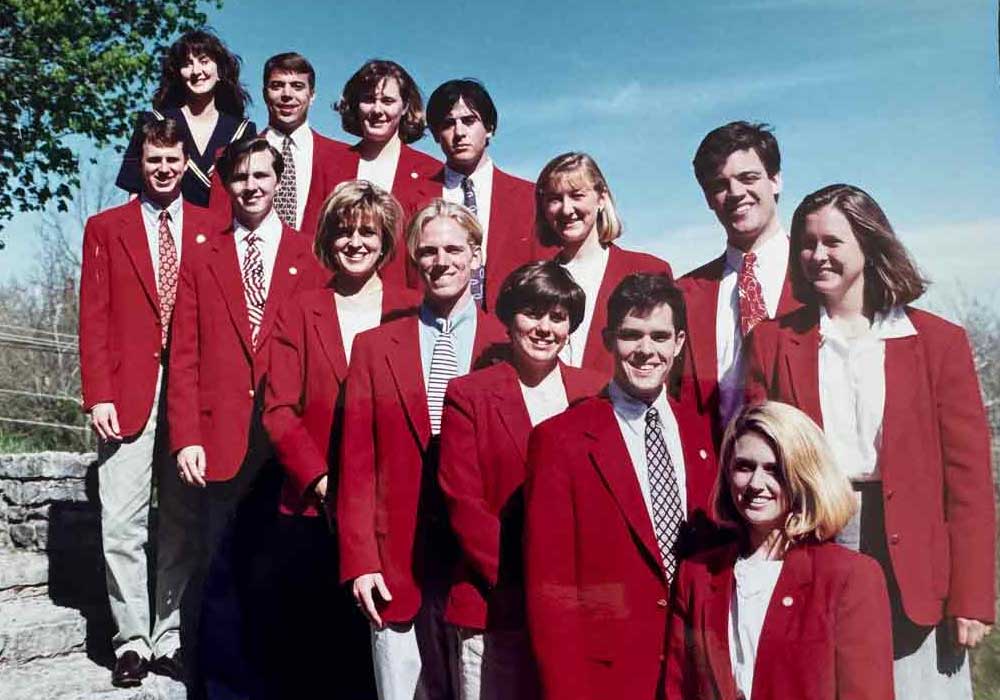
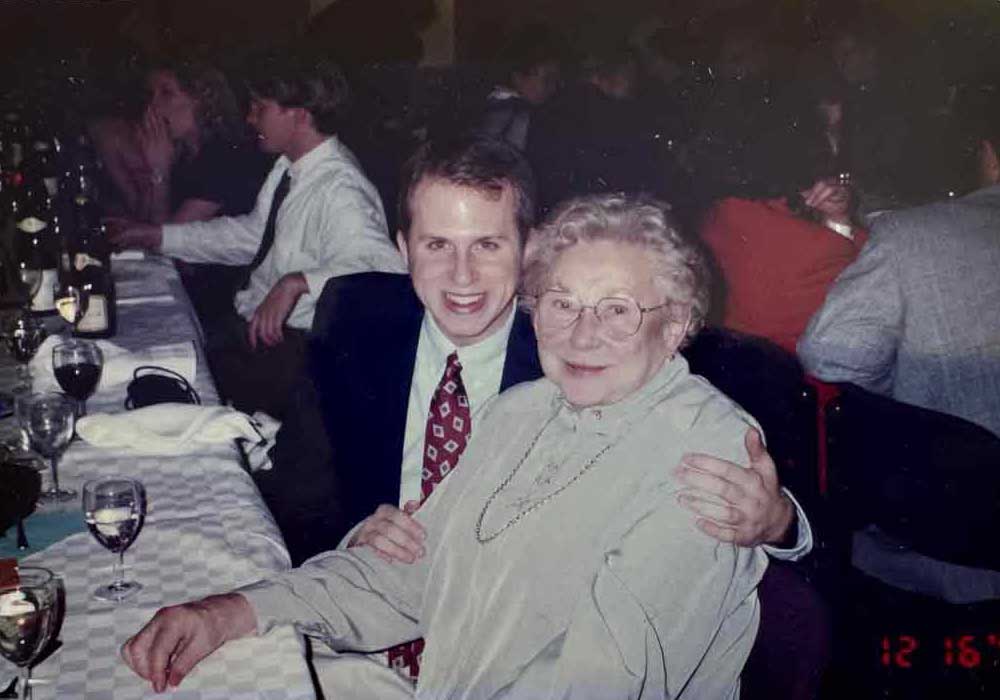
Another formative moment came through Elizabeth Brice, former Head of Technical Services at Miami, who encouraged Busch to pursue a fellowship at Historic Deerfield in Massachusetts — an opportunity that further solidified his commitment to museum work and curatorial practice.
“Miami faculty and staff were instrumental in shaping my career,” Busch said. “Opportunity after opportunity came from professors and staff who took students seriously, fostered our interests, and helped create initiatives around what excited us. That culture had an enormous impact on me.”
Each experience helped Busch return to campus with a clearer sense of purpose. By the time he graduated, he knew he wanted to pursue a career as a curator and continue his education in graduate school.
Busch went on to earn a Master of Arts degree from the University of Delaware through the Winterthur Program in American Material Culture. Over the course of his career, he has held curatorial and leadership positions at major cultural institutions, including the Wadsworth Atheneum in Connecticut, the Minneapolis Institute of Art, the Carnegie Museum of Art in Pittsburgh, Saint Louis Art Museum, and Sotheby’s in New York.
In recent years, Busch’s connection to Miami has deepened through his service as President of the College of Creative Arts (CCA) Alumni Advisory Board. Working closely with CCA faculty, staff, and university leadership has given him a renewed understanding of both the college’s strengths and its evolving needs. The role has also allowed him to reconnect with the collaborative, student-centered culture that first shaped his own experience at Miami.
“Serving on the advisory board has been incredibly meaningful,” Busch said. “I engage more directly with the college, hear about its vision for the future, and better understand where support could make the greatest impact. It also reminds me of how much the people at Miami invested in me as a student, and that has inspired me to want to give back in a meaningful way.”
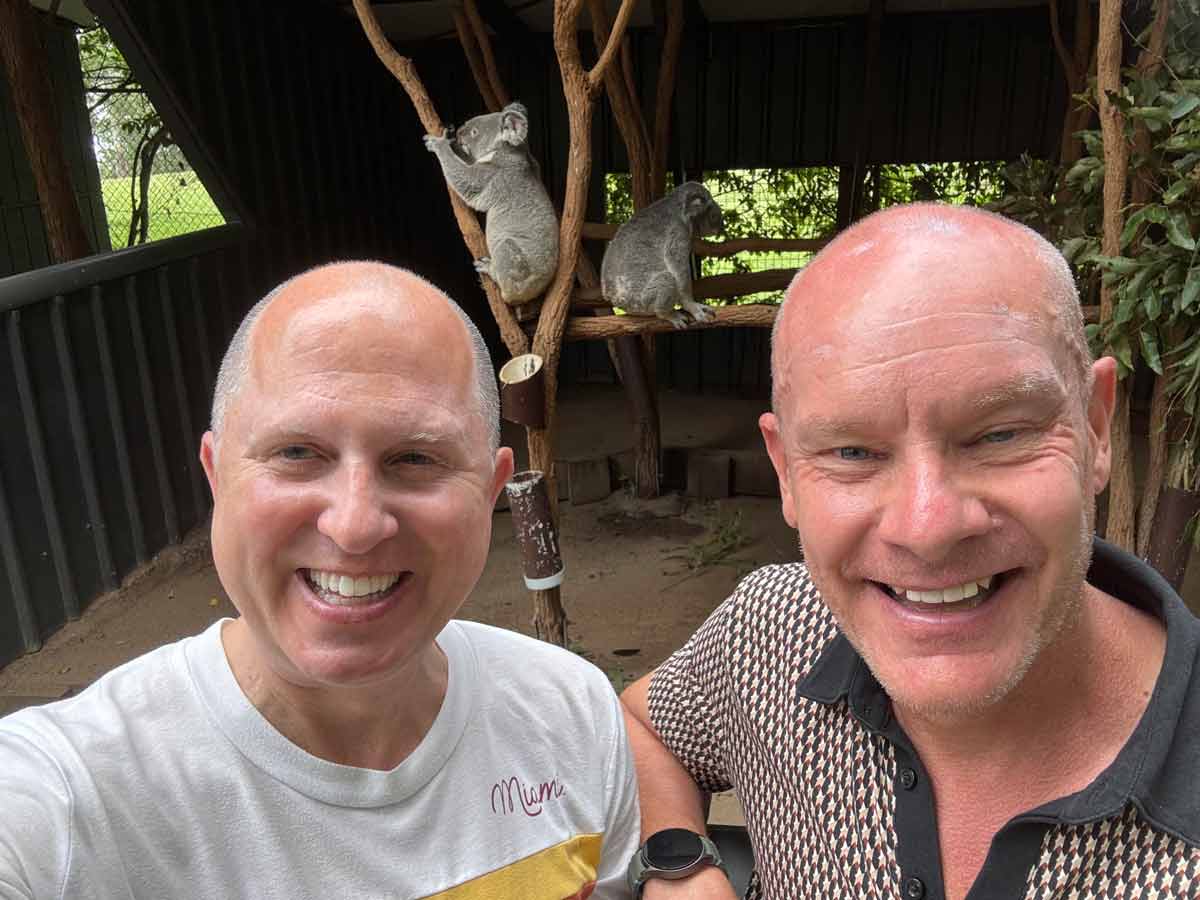
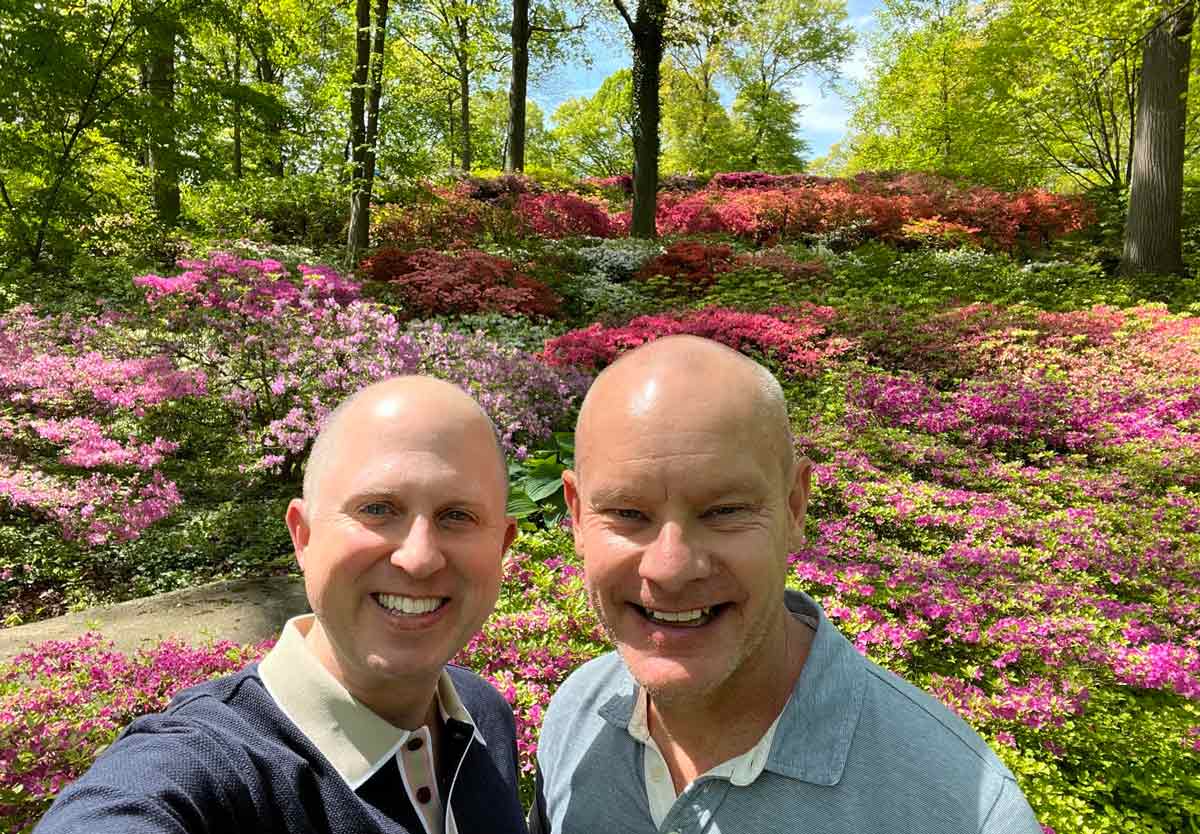
Jason T. Busch and Duane G. Middendorf and the koalas in Sydney, Australia, 2025.
Now, Busch and his husband, Duane G. Middendorf, are giving back to help ensure future students have similarly transformative experiences at Miami.
The couple recently established the Jason T. Busch & Duane G. Middendorf Curatorial Director Support Fund, which will fully endow and name the Curatorial Director position at the Richard and Carole Cocks Art Museum.
“This fund reflects a deep commitment to the transformative power of art — values that Jason has championed throughout his career,” said CCA Dean Ryan Fisher. “His leadership demonstrates how museums can expand access, elevate diverse artistic voices, and foster meaningful engagement with communities. Through this investment, we are strengthening the Richard and Carole Cocks Art Museum’s ability to serve as a space for discovery, dialogue, and inspiration for our students and visitors alike.”
Busch said the decision to support the museum was deeply personal.
“The art museum is a strong resource for both the university and the broader community of southwestern Ohio,” Busch said. “I want to help ensure it always has the financial support to thrive, grow, and inspire future generations.”
He also hopes the gift will encourage others to invest in the future of the arts at Miami. The commitment was inspired by Miami’s $1B campaign “For Those Who Will.”
“This is an important moment for universities and nonprofit institutions,” Busch said. “The arts are absolutely essential to a university experience for students. Supporting the arts means advocating for creativity, critical thinking, and human connection — all things that matter deeply right now.”
Busch credits Middendorf with helping shape his own perspective on philanthropy and giving back. A first-generation college student who attended Macalester College in Saint Paul, Minnesota, with the support of Macalester’s commitment to providing opportunities to students from diverse economic and cultural backgrounds. Middendorf has long remained actively engaged and philanthropic with his alma mater.
“Duane’s commitment to giving back to Macalester really influenced me,” Busch said. “We both believe deeply in supporting institutions that have helped to shape our lives.”
For Busch, the gift ultimately represents gratitude — not only for the education he received, but for the people who helped him discover his purpose along the way.
“Miami helped me build a network, gain confidence, and discover a career path that I never could have imagined when I first arrived on campus,” Busch said. “I wanted to give back in a way that helps create those same kinds of opportunities for students in the future.”