HCWE Launches Roundtable Series on Writing for Funding and Publication
HCWE Launches Roundtable Series on Writing for Funding and Publication
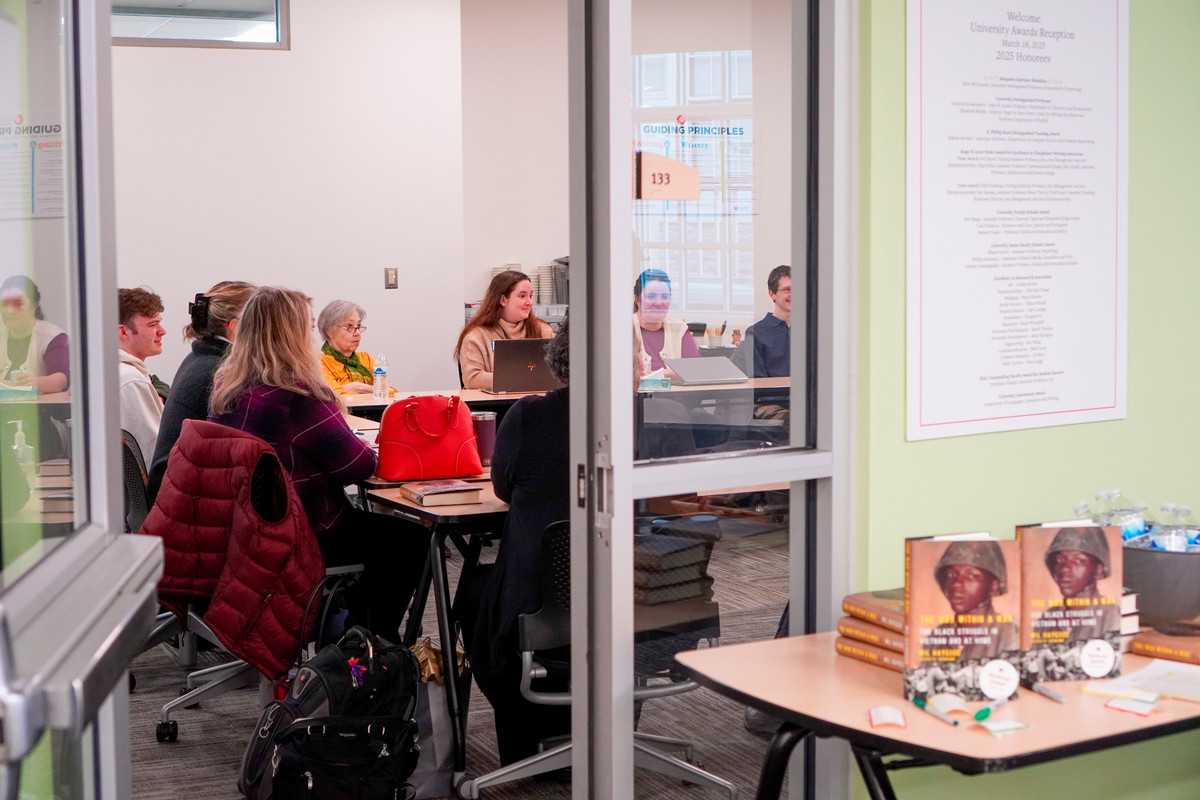
During the month of February the Howe Center for Writing Excellence hosted a pair of roundtables as part of its ongoing series on Writing for Funding and Publication, focusing on the challenges academics face writing funding proposals and finding publication outlets for their scholarship.
The first panel, titled "Writing for Non-Academic Audiences," was held on Friday, February 17th. By bringing together a mix of academics and industry experts, the event sought to help academics think about sharing what they know to a broader audience.
Representing a broad spectrum of professional backgrounds, the panel included Peter Gethers, a publisher and writer; Alecia Lipton, Director of Public Relations at Miami University; and Anne Whitesell, an Assistant Professor of Political Science at Miami. In a notable addition to the morning event, author Wil Haygood was also present. He and Gethers were scheduled to share Haygood's latest book, The War Within: The Black Struggle in Vietnam and At Home, at a special event later in the day.
The panel gave short presentations before settling into a Q&A session with the audience.
Drawing from his experiences in the publishing industry, Gethers offered advice focused on embracing the unique skills and knowledge that academics cultivate over the course of their careers. “The best piece of wisdom I can give,” Gethers says, “is go with your passion. Don’t approach your topic thinking about what will sell, because you will get stuck. Follow your heart and passion and area of expertise as a writer, then find a way to broaden that expertise to a wider audience.”
Additionally he underscored the utility of having a completed manuscript when approaching publishers, offering the mantra, “Just write the thing.” According to him, “The key to everything is the book itself. An elevator pitch is irrelevant to a book publisher, because all that matters is the execution of the book.”
Lipton and Whitesell shared their approaches for responding to press inquiries. Whitesell frequently provides expert commentary on current events to broadcast news, while Lipton manages a broad range of media requests for academic expertise across the university, often connecting journalists and others with qualified sources.
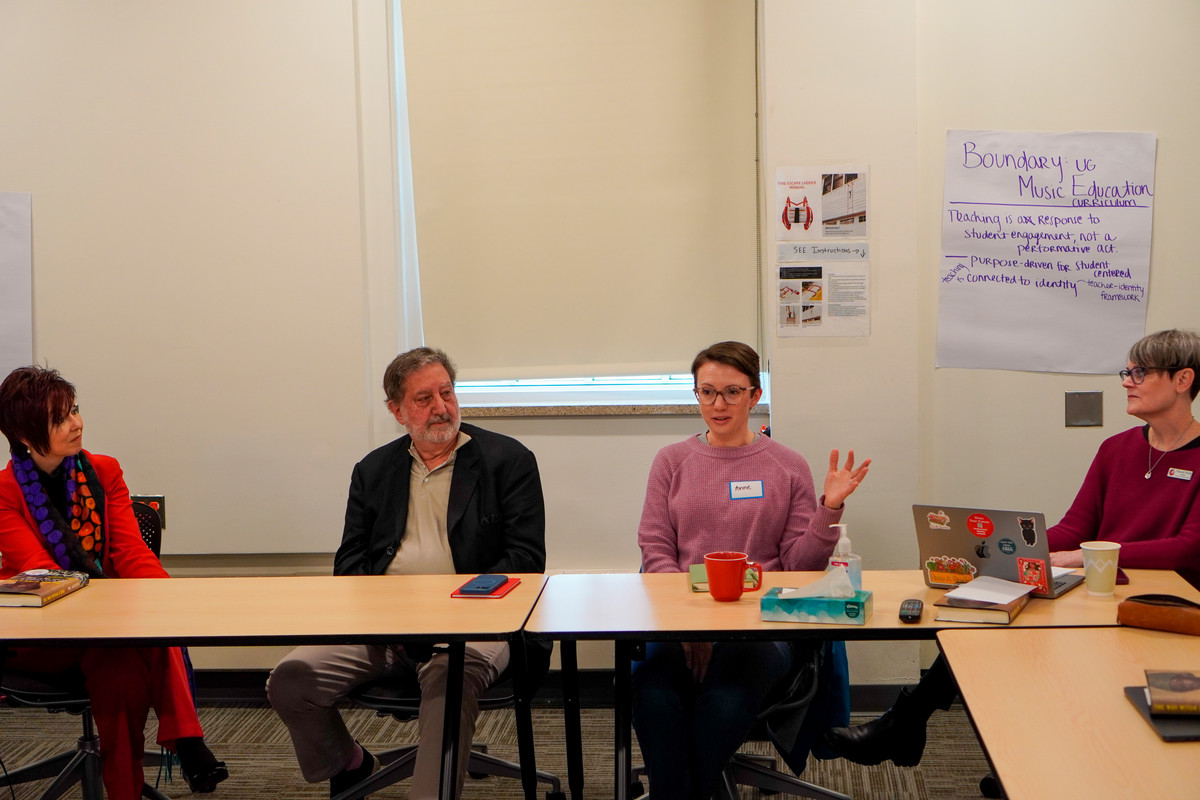 Whitesell described the process of cultivating a relationship with a local NPR station, first receiving an introduction through Lipton’s contacts, then gradually demonstrating herself to be a reliable expert source that can assist with the quick turnaround times that are part of the format. She notes, “if you want to do public facing work and you want to do media, you have to be willing to quickly jump on an interview or answer an email. A lot of what I do is providing background information in a timely way.”
Both speakers emphasized the difficulties presented by media requests and how they overcome challenges like stage fright through media training, preparing key talking points, and gradually building skill by practicing in less demanding situations. Lipton specifically encouraged any Miami writer interested in engaging a broader audience to contact her office.
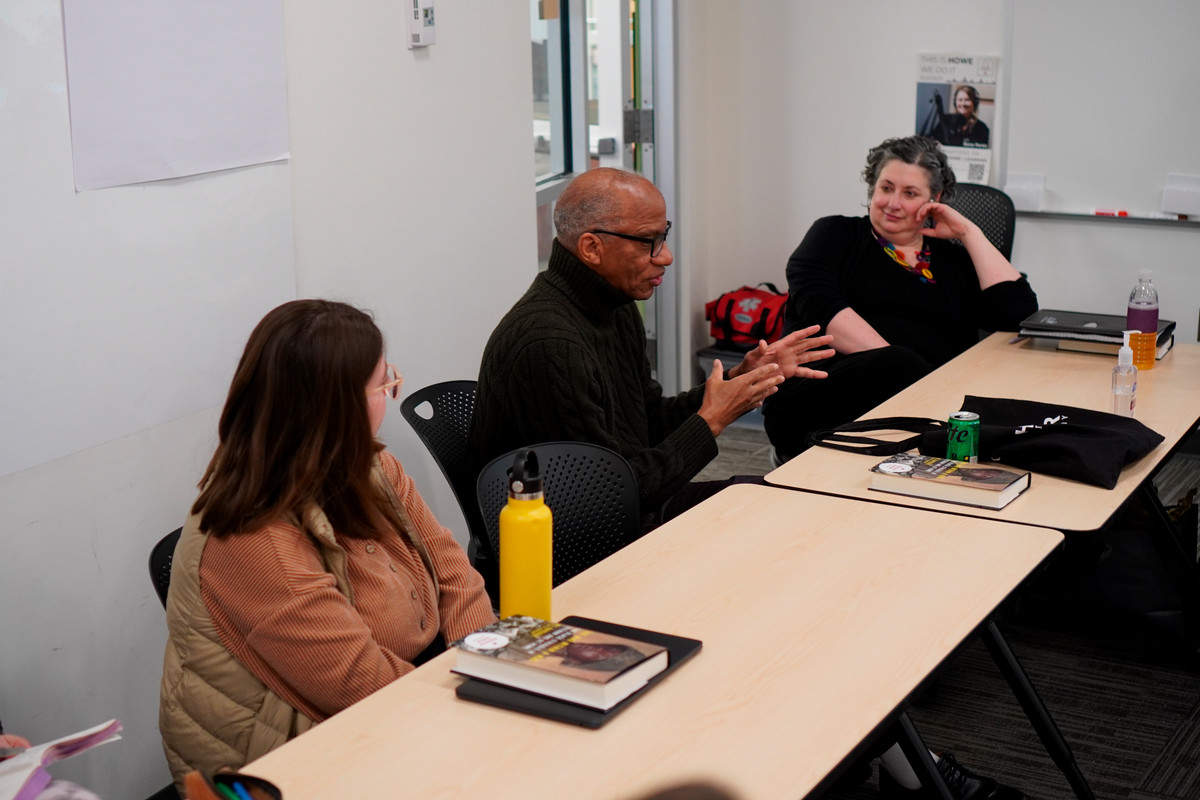 Author Wil Haygood further added to the event with his presence. Though he attended the roundtable as a guest, Haygood generously offered insights into his own experience with writing a book, securing an agent, and the process of putting words to paper. His concluding advice: "It's never a bad thing to write something that you want to write."
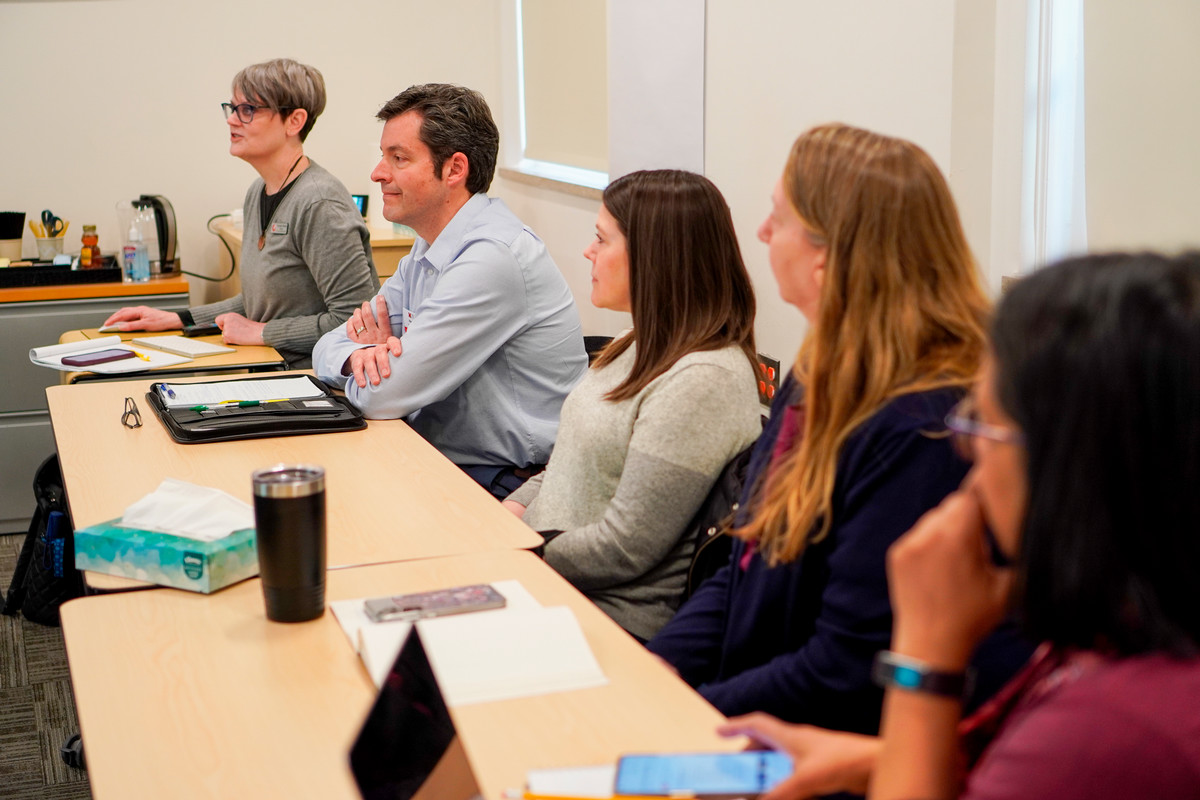
The second panel in the roundtable series, titled “Writing and Winning External Grant Proposals,” was held on February 27th. This event convened a group of Miami University experts on the topic, including Vince Frieden, Senior Director of Development and Foundation Relations; Liz Kiel, Psychology; Heather Menne, Scripps Gerontology Center; Joyce Fernandes, Biology and Undergraduate Research; and Elizabeth Wardle, English/HCWE.
Elizabeth Wardle opened the panel with an introduction to grant funding, providing a condensed version of a workshop frequently offered at the Howe Center. Interested faculty and staff can join the HCWE listserv to receive notifications regarding future full-length workshops.
Vince Frieden spoke to his role working with corporate foundations and individual donors, identifying them as perhaps an unfamiliar resource pool for academics. He notes, “We're trying to fill any gaps between our faculty who are probably incentivized more for their teaching than pursuing grant funding. We're trying to help them advance in their ability to be successful.” As an office housed in University Advancement, his work focuses on community building and outreach, especially cultivating relationships with smaller entities that might want to see community impacts in areas like K-12 education.
Elizabeth Kiel brought the perspective of a social scientist with extensive experience applying for large federal grants, and offered advice on how to navigate that byzantine process. She reflected, “I have learned, both in trying to get grant funding as well as reviewing federal grant applications, that what is clear to you in your head is not always clear to reviewers. Having other people read your applications, particularly those who are not in your immediate area, can help you unpack your ideas.”
She also addressed the high likelihood of rejection following the intensive federal grant process, encouraging resubmissions as both a viable and valuable strategy. "You don’t know all the variables that went into a rejection," she noted. "Persevere. If you really, really believe in something, just keep going."
Heather Menne categorized grant writing into two distinct areas: research-based and evaluation-based. Drawing on her experience as both a faculty member and a fellow at the Scripps Gerontology Center, Menne has secured funding in both contexts. She emphasized that "figuring out how to tailor that language appropriately so that there's a good alignment with what the funder wants is essential," noting that success requires adjusting one's rhetorical emphasis based on the specific grant type.
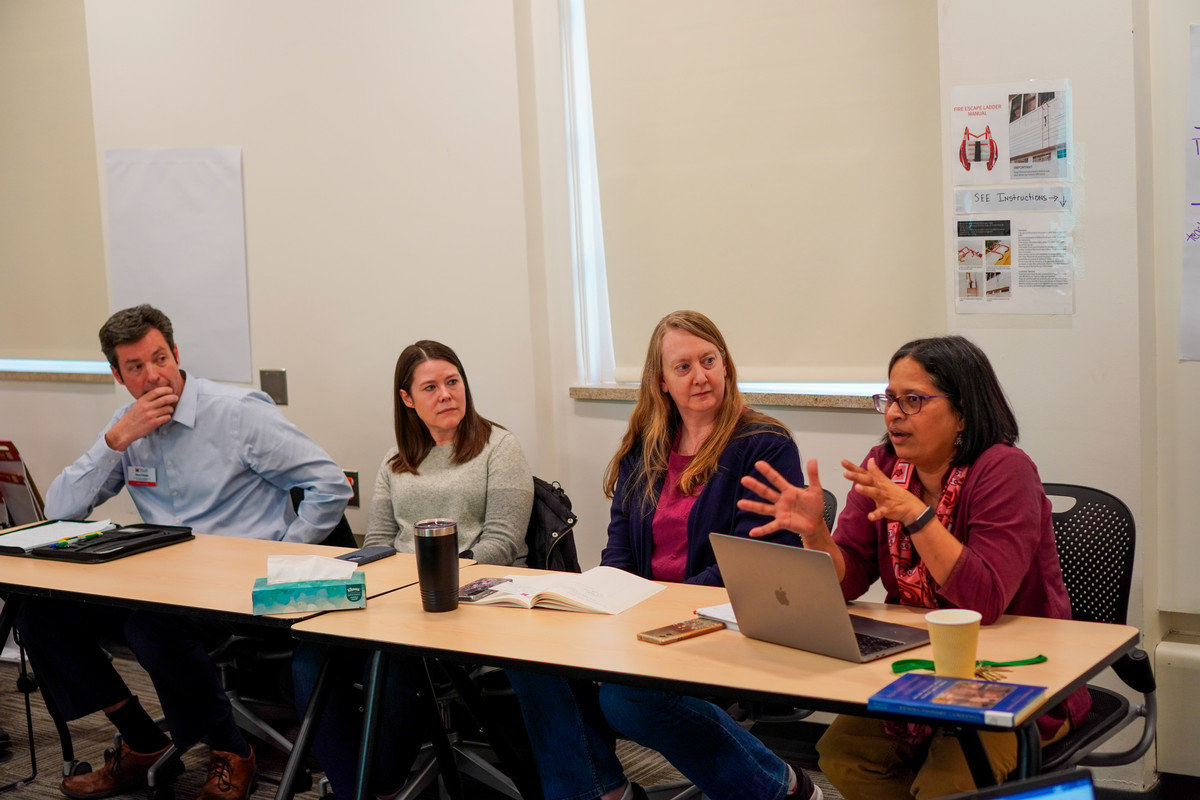 Joyce Fernandes discussed the collaborative effort required for large-scale grant projects, such as those funding high-cost scientific research equipment. While she noted that these initiatives require a significant investment of time and energy, the institutional results are often transformative. She cautions against feeling isolated in the process: “It's important to leverage the structures that already exist, because you don't have to go build something new.”
A primary conclusion of the panel was that grant applications are fundamentally collaborative. The University houses a wealth of expertise, with numerous specialists and faculty available to provide guidance and mentorship to those navigating the submission process.
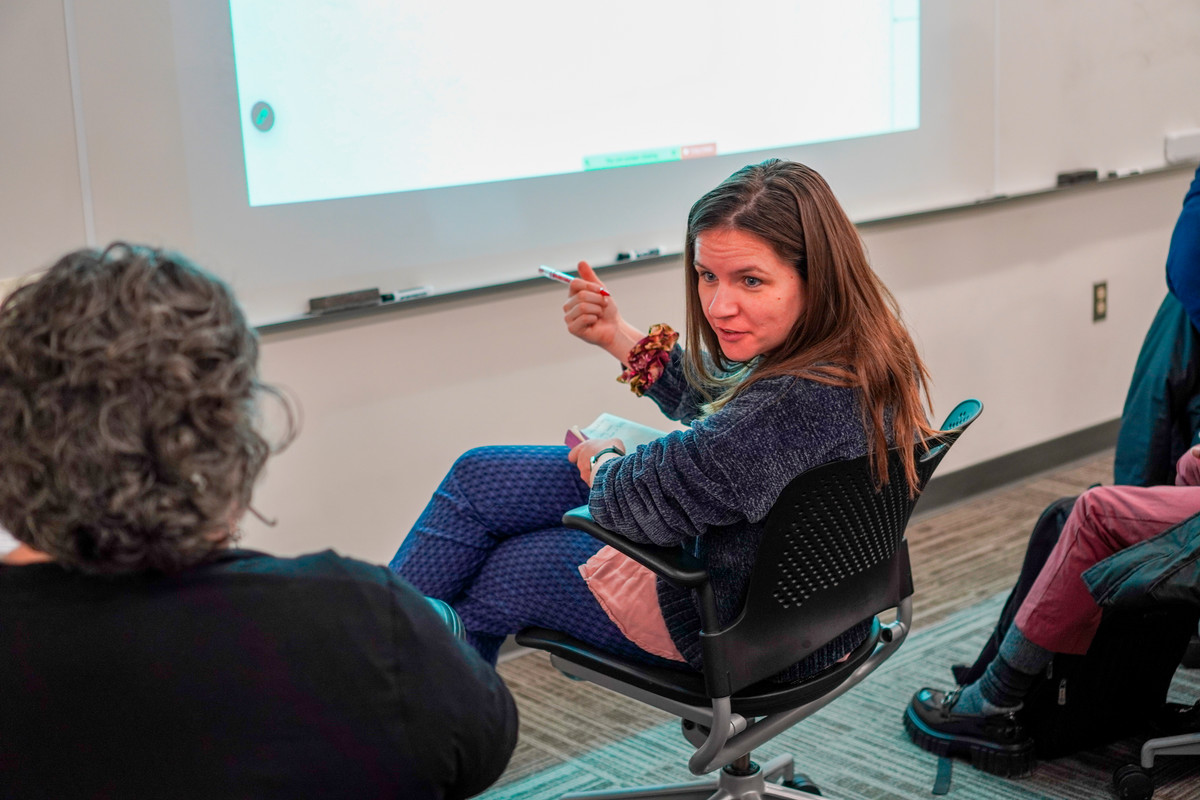 Two upcoming panels will complete the HCWE series. The next, Strategies for Publishing with Academic Presses, is scheduled for Friday, March 13th, at 9 am. The final panel, focusing on the process of Publishing Peer-Reviewed Journal Articles, will take place on Thursday, April 2nd. Both panels will be held in King Library 133 and online through Zoom.