
Miami University Polytechnic will deliver more opportunities for students
Board of Trustees approves creation of polytechnic education model on Hamilton campus
Published
•
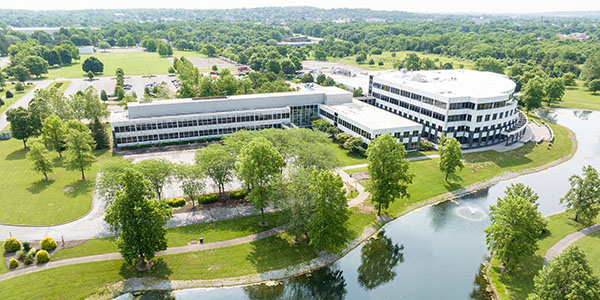
The Advanced Manufacturing Hub on Miami University's Hamilton campus. The Miami Board of Trustees approved the creation of Miami University Polytechnic on the Hamilton campus during its June 26 board meeting.
Miami University Polytechnic will deliver more opportunities for students
Board of Trustees approves creation of polytechnic education model on Hamilton campus
Published
•
The Miami University Board of Trustees approved on June 26 the creation of Miami University Polytechnic on the Hamilton campus, which will enable students to benefit from a polytechnic education model with more pathways for students and a faster timeline toward a degree or credential.
Miami University Polytechnic will emphasize workforce-aligned curriculum, hands-on learning, industry collaboration, partnership-driven education, strong career outcomes, and an alignment with Ohio’s workforce priorities. This distinctive and innovative institutional model will attract investment, support economic development, and strengthen the state’s talent pipeline.
“Miami University Polytechnic is well-positioned to meet evolving workforce needs and growing student demand,” Miami University President Gregory Crawford said. “This is a different education model – it provides an exciting opportunity to deliver hands-on training and industry-driven, technical education that leads to strong career outcomes aligned with workforce priorities across the region and throughout the state of Ohio. Miami University Polytechnic will bring Miami’s longstanding spirit of excellence, innovation, breadth of education, student-first ethos, and graduate success to the emerging polytechnic focus.”
The launch of Miami University Polytechnic makes for an exciting time, not just at Miami but throughout our communities and state, said Melissa Thomasson, interim vice president of Miami Regionals and dean of the College of Liberal Arts and Applied Science.
“Our driving focus is expanding access to high-quality Miami degrees that prepare graduates to meet workforce needs and make our communities stronger,” Thomasson said.
A polytechnic approach to education leans into technical education, particularly advanced manufacturing and information technology. Thomasson said Miami will continue to offer a broad range of classes for students at Hamilton, including those whose interests may not be in a technical field.
When looking at other polytechnic education model institutions nationwide, one pattern was a wide scope of programming that was highly applied and driven by industry partners to meet a workforce demand.
“We are looking to embed applied learning and industry-informed practices and knowledge throughout the curriculum,” Thomasson said. “We know that the number one concern of students is career outcomes. Programs like Work+ give students the opportunity to work closely with an industry partner. Expanding these types of programs and creating more opportunities for work-based learning experiences will be a key feature of Miami University Polytechnic."
Earlier this year, the Advanced Manufacturing Workforce and Innovation Hub (AM Hub) opened on the Hamilton campus. The 375,000-square-foot facility provides space for joint programming between Butler Tech, Miami University, and OhioMeansJobs Butler County, and serves as the foundation for workforce readiness and advanced manufacturing, with learners co-located in the same space.
AM Hub has opened doors for collaboration and given Miami Polytechnic the chance to “do something different.”
“We’re focused on working closely with employers as needs shift in terms of what credentials, what skills, and what disciplines we need to offer students to help them on their career paths,” said Randi Thomas, vice president for Miami’s Office of ASPIRE.
Miami will recruit its first polytechnic cohort for fall 2027.
“This is a way for us to really drive our local and regional economies by making sure potential employers know we are a higher-ed resource for them,” Thomas said.
Thomasson praised the work of the Miami Regionals and ASPIRE teams in preparing for the launch of Miami University Polytechnic.
“Moira (Casey), Randi, Ande (Durojaiye), and the team did a great job building these important relationships and I plan to continue to work closely with K-12 partners, community college partners, and industry partners,” Thomasson said. “By collaborating closely with educational institutions and industry, we can produce talented graduates who can fill needed jobs and drive our economy. We can do more for our communities and our students.”
Miami University Polytechnic is part of MiamiTHRIVE, a strategic plan aimed at strengthening Miami University’s teaching, research, and service missions, and reimagining itself to serve the dynamic needs and interests of students now and in the future. Learn more about MiamiTHRIVE.
Miami University Polytechnic will emphasize workforce-aligned curriculum, hands-on learning, industry collaboration, partnership-driven education, strong career outcomes, and an alignment with Ohio’s workforce priorities. This distinctive and innovative institutional model will attract investment, support economic development, and strengthen the state’s talent pipeline.
“Miami University Polytechnic is well-positioned to meet evolving workforce needs and growing student demand,” Miami University President Gregory Crawford said. “This is a different education model – it provides an exciting opportunity to deliver hands-on training and industry-driven, technical education that leads to strong career outcomes aligned with workforce priorities across the region and throughout the state of Ohio. Miami University Polytechnic will bring Miami’s longstanding spirit of excellence, innovation, breadth of education, student-first ethos, and graduate success to the emerging polytechnic focus.”
The launch of Miami University Polytechnic makes for an exciting time, not just at Miami but throughout our communities and state, said Melissa Thomasson, interim vice president of Miami Regionals and dean of the College of Liberal Arts and Applied Science.
“Our driving focus is expanding access to high-quality Miami degrees that prepare graduates to meet workforce needs and make our communities stronger,” Thomasson said.
A polytechnic approach to education leans into technical education, particularly advanced manufacturing and information technology. Thomasson said Miami will continue to offer a broad range of classes for students at Hamilton, including those whose interests may not be in a technical field.
When looking at other polytechnic education model institutions nationwide, one pattern was a wide scope of programming that was highly applied and driven by industry partners to meet a workforce demand.
“We are looking to embed applied learning and industry-informed practices and knowledge throughout the curriculum,” Thomasson said. “We know that the number one concern of students is career outcomes. Programs like Work+ give students the opportunity to work closely with an industry partner. Expanding these types of programs and creating more opportunities for work-based learning experiences will be a key feature of Miami University Polytechnic."
Earlier this year, the Advanced Manufacturing Workforce and Innovation Hub (AM Hub) opened on the Hamilton campus. The 375,000-square-foot facility provides space for joint programming between Butler Tech, Miami University, and OhioMeansJobs Butler County, and serves as the foundation for workforce readiness and advanced manufacturing, with learners co-located in the same space.
AM Hub has opened doors for collaboration and given Miami Polytechnic the chance to “do something different.”
“We’re focused on working closely with employers as needs shift in terms of what credentials, what skills, and what disciplines we need to offer students to help them on their career paths,” said Randi Thomas, vice president for Miami’s Office of ASPIRE.
Miami will recruit its first polytechnic cohort for fall 2027.
“This is a way for us to really drive our local and regional economies by making sure potential employers know we are a higher-ed resource for them,” Thomas said.
Thomasson praised the work of the Miami Regionals and ASPIRE teams in preparing for the launch of Miami University Polytechnic.
“Moira (Casey), Randi, Ande (Durojaiye), and the team did a great job building these important relationships and I plan to continue to work closely with K-12 partners, community college partners, and industry partners,” Thomasson said. “By collaborating closely with educational institutions and industry, we can produce talented graduates who can fill needed jobs and drive our economy. We can do more for our communities and our students.”
Miami University Polytechnic is part of MiamiTHRIVE, a strategic plan aimed at strengthening Miami University’s teaching, research, and service missions, and reimagining itself to serve the dynamic needs and interests of students now and in the future. Learn more about MiamiTHRIVE.
Established in 1809, Miami University is located in Oxford, Ohio, with regional campuses in Hamilton and Middletown, a learning center in West Chester, and a European study center in Luxembourg.