


Skip to Main Content
white dragonfly

Our Programs

Project Dragonfly at Miami University offers a range of innovative graduate programs and professional development opportunities designed for a diverse community passionate about wildlife conservation, ecological understanding, and community engagement. These programs blend online learning with extraordinary field experiences, providing flexible pathways to advance your career and make a real-world impact.

Project Dragonfly offers two distinct master's degree pathways, the Advanced Inquiry Program (AIP) and the Global Field Program (GFP), alongside standalone professional development courses and immersive Earth Expeditions. All programs share a commitment to inquiry-driven, community-based learning, fostering an alliance of individuals dedicated to a sustainable planet.

Interested in learning more about the Advanced Inquiry Program, the Global Field Program, or Earth Expeditions? Please join us this fall for an upcoming live webinar with Project Dragonfly staff and graduates, or view a recording from one of our 2025-26 webinars!  Our team looks forward to connecting and sharing about Project Dragonfly!

Global Field Program

The Global Field Program (GFP) is a part-time master's degree that brings together scientists, educators, and community leaders at critical conservation hotspots worldwide. This program combines summer field courses in locations across Africa, Asia, Australia, and the Americas with online learning communities. GFP students develop skills in community-engaged education, scientific inquiry, environmental stewardship, and global understanding, working to foster change in diverse ecological and social settings. The GFP builds on the graduate courses and environmental partnerships of Earth Expeditions.
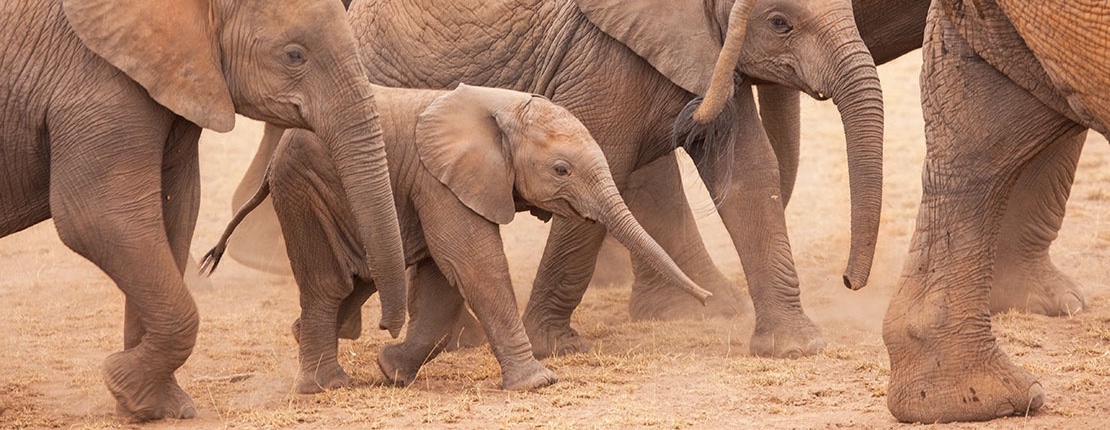
A troop of elephants

Advanced Inquiry Program

The Advanced Inquiry Program (AIP) is a part-time, online master's degree that combines web-based graduate courses with face-to-face experiential learning at leading zoological, botanical, and wildlife conservation institutions across the USA. Typically completed in 2.5 years, the AIP offers two degree options: a Master of Arts in Teaching (M.A.T.) in the Biological Sciences (for licensed teachers, not leading to licensure) or a Master of Arts (M.A.) in Biology. Students engage in field study at sites like the Cincinnati Zoo & Botanical Garden, San Diego Zoo Wildlife Alliance, and Brookfield Zoo Chicago, applying their learning to real-world conservation challenges.
A person spreading their arms to the sky.

Explore Earth Expeditions: Learning in the World Community

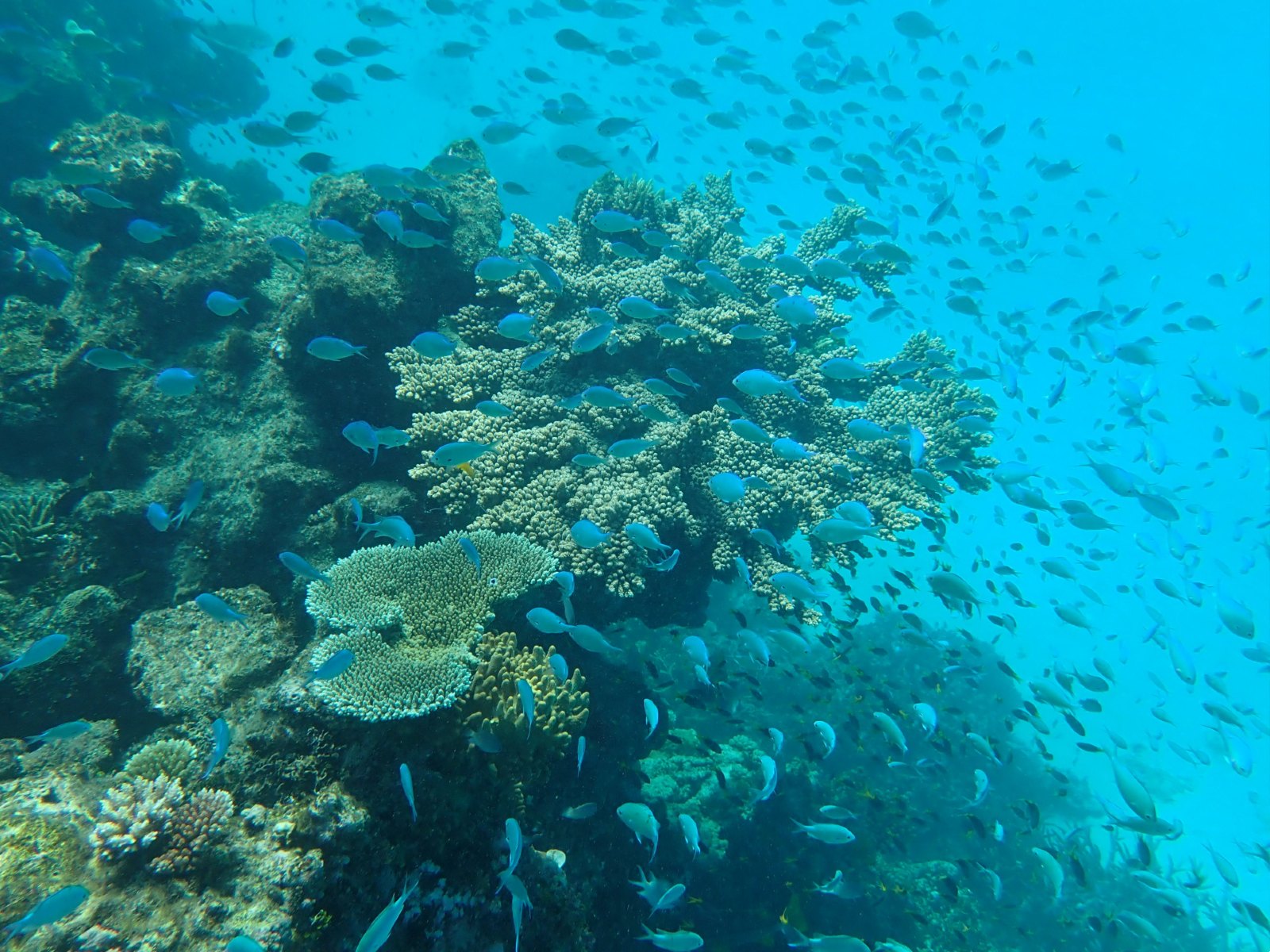
Earth Expeditions are immersive, international study abroad courses offering graduate credit and professional development. These 9-10 day field experiences take place in significant conservation areas globally, such as the Amazon, Great Barrier Reef, Borneo, and the Galápagos Islands. Each course includes a complementary online component, allowing students to collaborate and implement changes in their home communities. Earth Expeditions are open to adult learners, teachers, and anyone seeking a unique, life-changing experience, and can also count towards the AIP or GFP master's degrees.

Choose Your Degree

Regardless of which program you choose, you can earn one of two degrees. Not sure? That’s okay—you can change your target degree and major once admitted to the program. Both degrees are 35 credit hours, offered part-time, and can be completed over 2.5–5.

The Master of Arts (M.A.) in Biology

This degree option is for any applicant with a bachelor’s degree interested in advancing their career through leadership, community engagement, life sciences, and environmental stewardship.

This program is rooted in rigorous, field-tested science. While this is a non-thesis degree, you will independently design and conduct original, applied field studies. With faculty guidance, many of our students engage in practitioner-based research directly within their home institutions, such as zoos, aquariums, nature centers, or nonprofits.

Instead of a traditional thesis, you will build a robust professional portfolio. Through our Community Leadership Challenge and Authorship Leadership Challenge, you will join hundreds of Dragonfly alumni who have secured independent grant funding, presented at national conferences, and published their original research in peer-reviewed science journals. Graduates frequently leverage the rigorous skills gained in this program to earn workplace promotions, and many have successfully gone on to pursue Ph.D. programs—all through a nationally ranked university with reduced tuition.

The Master of Arts in Teaching (M.A.T.) in the Biological Sciences

Designed for formal and informal educators, this degree provides real-world experiences that advance educational standards through research-based practices for student achievement in core content areas. (Please note: This degree is not intended to lead to educator certification.)

The M.A.T. track brings rigorous, inquiry-driven scientific research directly to your classroom or organization. With faculty guidance, you will learn to design and implement applied, practitioner-based research studies with real-world learning outcomes.

Through the creation of a comprehensive master's portfolio, you will document your growth as both an educator and a scientist. By completing community engagement projects and our Authorship Leadership Challenge, you will join hundreds of Dragonfly educators who have published original research, presented at major educational conferences, and secured grants to fund their work. The real-world skills developed in the M.A.T. track frequently help educators earn promotions or advance to doctoral studies—allowing you to elevate your career while working full-time.

Professional Learning Opportunities

Project Dragonfly offers a variety of Professional Learning Opportunities that can be taken independently or as part of a master's degree sequence. These graduate-level courses cover topics such as wildlife conservation, animal behavior, urban ecology, and environmental education. Course types include:

  • Fully Online: Focused on local community engagement. 
  • AIP Web+: Blended online and in-person experiential learning at US-based AIP sites. 
  • Earth Expeditions: Immersive international field experiences during the summer. 
  • Free Non-Credit Learning: Self-paced modules offering introductory content and digital badges.

Graduate Certificate Options

Don’t need a full master’s or want to earn a certificate in addition to your master’s? Project Dragonfly offers the below options, which can be earned in a little over a year.

Global Culture and Conservation

This unique hybrid, field-based certificate offers unparalleled opportunities for deep cultural immersion and engagement with the rich interplay of spiritual ecology and local/traditional ecological knowledge. Through travel to some of the most culturally and biologically rich regions of the planet (India, Thailand, Paraguay, Belize, or Guyana), students will gain practical experience in understanding how diverse spiritual, cultural, and belief systems (like Hinduism, Buddhism, Guarani, Kriol/Maya, and Makushi cultures, among others) can successfully support and integrate with conservation efforts.

Applied Marine Conservation

This unique hybrid, field-based certificate offers unparalleled opportunities to engage in applied marine conservation and stewardship across some of the world’s most critical and iconic ocean environments (Australia, Baja, Belize, Galapagos, The Bahamas). Students will gain practical experience in social-ecological methods such as coral reef ecology, marine mammal surveying, and aquatic data collection, providing skills for communicating about and protecting marine biodiversity.