
Student research highlight: Toward Size-Inclusive Psychotherapy
A qualitative examination of barriers and facilitators to affirmative care for larger-bodied LGBTQ+ individuals
Student research highlight: Toward Size-Inclusive Psychotherapy
A qualitative examination of barriers and facilitators to affirmative care for larger-bodied LGBTQ+ individuals
Cheyenne Dalton, senior psychology and data analytics double major, works in the Body Image and Stigma among Queer Populations (BISQue) Lab under Zachary Soulliard, studying the experiences of LGBTQ+ individuals in terms of body image, eating behaviors, and mental health. She will present her work at the Undergraduate Research Forum.
“We look at things that impact mental health and how [LGBTQ+ individuals] experience weight stigma, racism, all kinds of things like that,” said Dalton.
For the Undergraduate Research Forum, Dalton is a part of the Doctoral Undergraduate Opportunities for Scholarship (DUOS) program which allows a graduate and an undergraduate student to collaborate on research. Dalton works with third-year Ph.D. student Connor Elbe, who is also a part of the BISQue lab.
Their project titled “Towards High Inclusive Psychotherapy: A Qualitative Examination of Barriers and Facilitators to Affirmative Care for Larger-Bodied LGBTQ+ Individuals” looks at larger-bodied LGBTQ+ individuals who have been in psychotherapy settings before to see if they have had affirmative experiences in relation to their weight and body. Their research is conducted in the form of half-hour to an hour-long Zoom interviews.
“We are trying to see if they experience weight stigma or if their mental health concerns were dismissed as weight related instead of mental health related or other factors in their life,” Dalton said. “We’re going to look at that, and we’re going to see what they think will benefit them, what they think would facilitate their participation in those settings.”
Dalton believes that many people avoid both physical and mental health care due to the perceived barriers like weight stigma but hopes that this study can help change that.
“People don’t want to go to the doctor and be told all their problems are due to their weight when they know there’s something else going on and they need to be treated like anyone else would,” Dalton said.“I think that [the study] has a huge implication to help people feel more like they are able to get the help they need and to resolve the problems they’re having with their mental health.”
After the interviews, Dalton and Elbe will do a reflexive thematic analysis by coding the interview transcripts and looking for patterns and themes.
“We’re going to use this to lay the groundwork for future research, what we can do to improve LGBTQ+ affirmative CBT [cognitive-behavioral therapy], and see if we can make it a more welcoming experience for people in larger bodies.”
After Dalton graduates in December of 2026, she hopes to do a clinical psychology Ph.D. and ultimately work directly with patients in therapy settings. Dalton has a special interest in working with LGBTQ+ clients and eating disorder treatments and the intersection between the two.
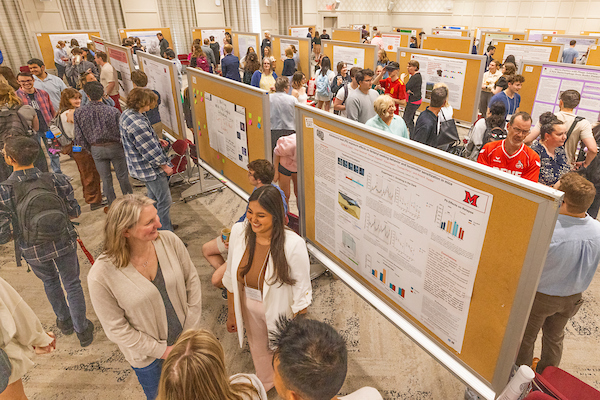
Dalton will have a poster to present her findings at the Undergraduate Research Forum Friday, April 24. It will have an overview of the project as well as interesting aspects in the research.