60.7%
of Microbiology majors were accepted into medical school
Microbiology majors were accepted into medical schools across the nation

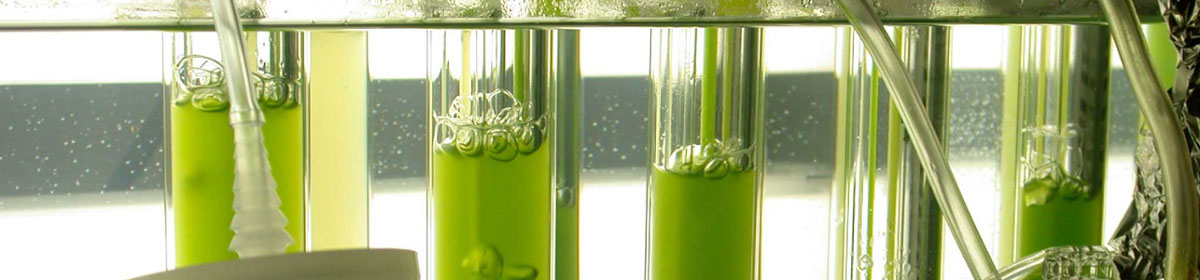


Microbiology begins with the study of bacteria, yeasts, molds, viruses, and parasites - the microbes; how they are isolated, cultivated, and identified. The next level of study considers them as individual living systems, their physiology, and genetics. The third level of study, the working level of a modern microbiologist, is concerned with how microbes interact with living and non-living elements and how these interactions may be controlled, modified, or expanded to benefit the environment and humanity.
60.7%
of Microbiology majors were accepted into medical school
Microbiology majors were accepted into medical schools across the nation
85%
of Microbiology majors conduct research in the department
6 degrees
in Undergraduate and Graduate Studies
We offer A.B and B.S degrees in Microbiology, an A.B. in Public Health: Human Disease and Epidemiology, M.S. and Ph.D. graduate degrees, and a combined Bachelor-Master degree

Our Bachelor of Arts degree is designed to be flexible, and yet provide disciplinary breadth for pre-professional students and students interested in an entry-level career in microbiology, the life or health sciences, or environmental sciences.
Included in this program of study are:
Our Bachelor of Science degree is designed to provide more in-depth study than the Bachelor of Arts, particularly in preparation for the pursuit of a graduate degree in microbiology and related fields, and careers in research. As part of this preparation, students are required to conduct independent research leading to public presentation of their results.
Included in this program of study are:
Students can become involved in research through the First Year Research Experience (FYRE) or they may peruse the descriptions of faculty research areas within the various subdisciplines of the biological sciences and contact faculty directly. Faculty and students conduct research from Molecular Biology to Ecosystem Ecology and the myriad subdisciplines in between.
Students in undergraduate and graduate programs learn biological concepts taught by dedicated faculty and gain hands-on research experiences in the laboratory and field using first-class equipment, centers, and facilities. Our graduates pursue a wide variety of career paths in health, biotechnology, the environment, and plant science.