
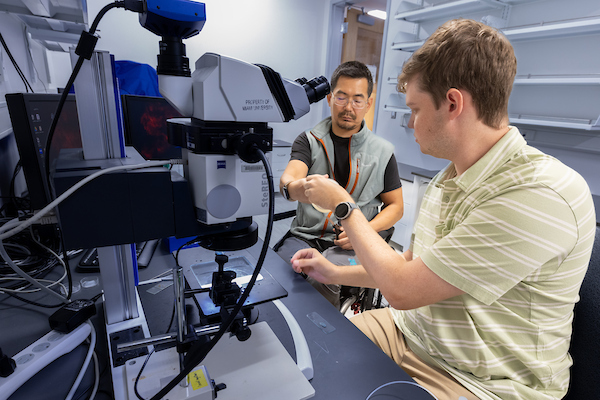
Research

The faculty in the Department of Biology, in collaboration with graduate and undergraduate students, investigate a wide range of research questions in the biological sciences.
Get Started!
Students can become involved in research through the First Year Research Experience (FYRE) or they may peruse the descriptions of faculty research areas within the various subdisciplines of the biological sciences and contact faculty directly. Faculty and students conduct research from Molecular Biology to Ecosystem Ecology and the myriad subdisciplines in between.
Funding and Opportunities
There are many resources available to students in the Department of Biology for research and scholarship.
Graduate Opportunities
Academic Challenge Grants Program (for more information: biology@miamioh.edu)
Doctoral-Undergraduate Opportunities for Scholarship (DUOS)
The W. S. Turrell Herbarium Fund
Travel Support for Professional Meetings (for more information: biology@miamioh.edu)
Our Research Facilities
In addition to each faculty member having his/her own laboratory in which they conduct research with students, all researchers have access to the following state-of-the-art facilities:
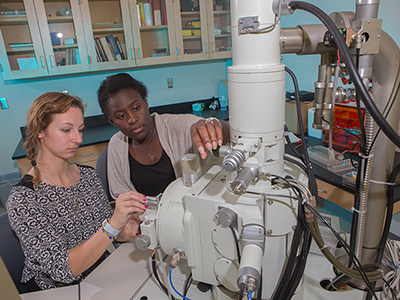
Center for Advanced Microscopy and Imaging (CAMI)
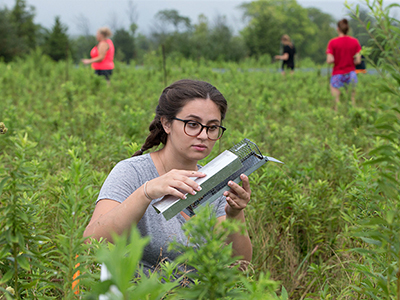
Center for Animal Behavior
Center for Bioinformatics and Functional Genomics (CBFG)

Ecology Research Center
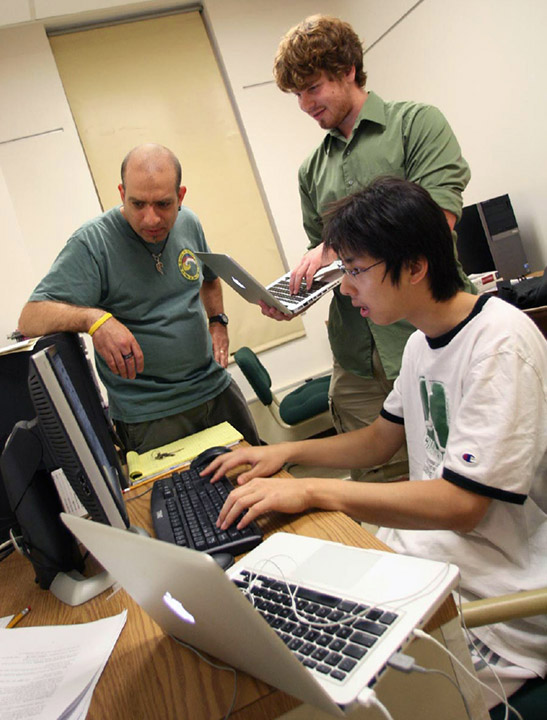
Computing and Bioinformatics
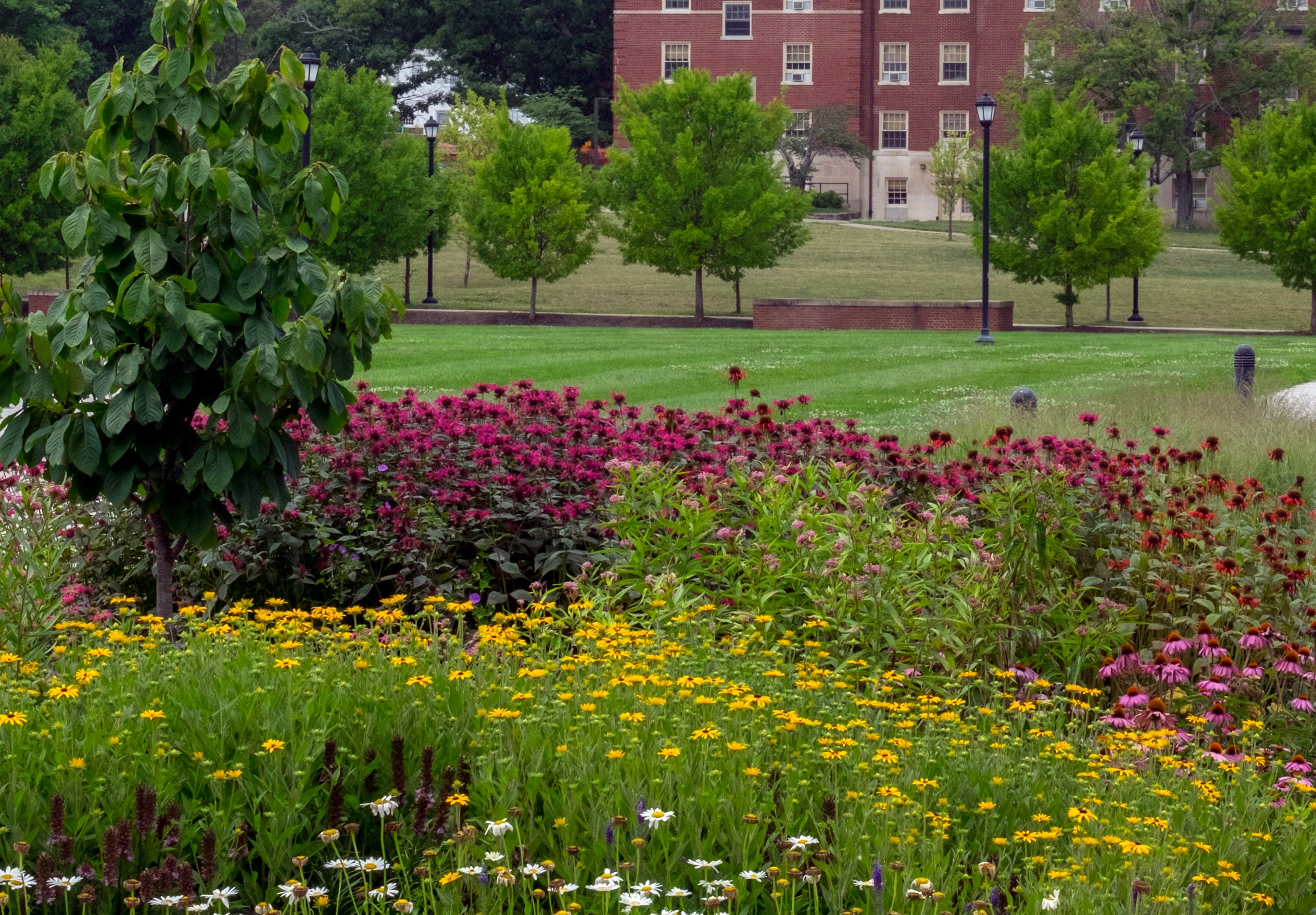
Natural Areas
Mallory-Wilson Center for Healthcare Education
The Mallory-Wilson Center in the College of Arts and Science provides resources, information, and support that enable students to make informed decisions regarding the issues facing today's healthcare professionals. Programs and services include Premedical and Pre-Health advising, the Premedical and Pre-Health Studies Co-Major, Premedical Living Learning Community, internships, and scholarships.
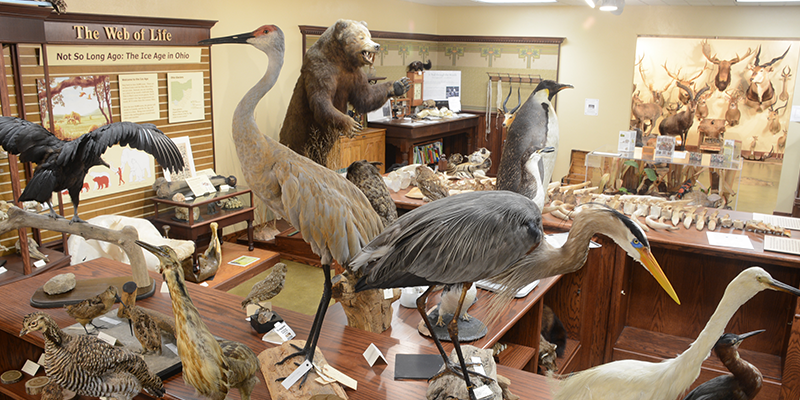
Hefner Museum of Natural History
The Hefner Museum of Natural History uses exhibits, collections and specimens, and interactive programs to teach visitors of all ages about animal biodiversity, conservation, and ecology.
As part of the Hefner Center, the Willard Sherman Turrell Herbarium houses a broad collection of dried specimens. Holdings include specimens of vascular plants, mosses, fungi, and algae, as well as a microscope slide collection of wood sections, stem sections, root sections, and pollen.
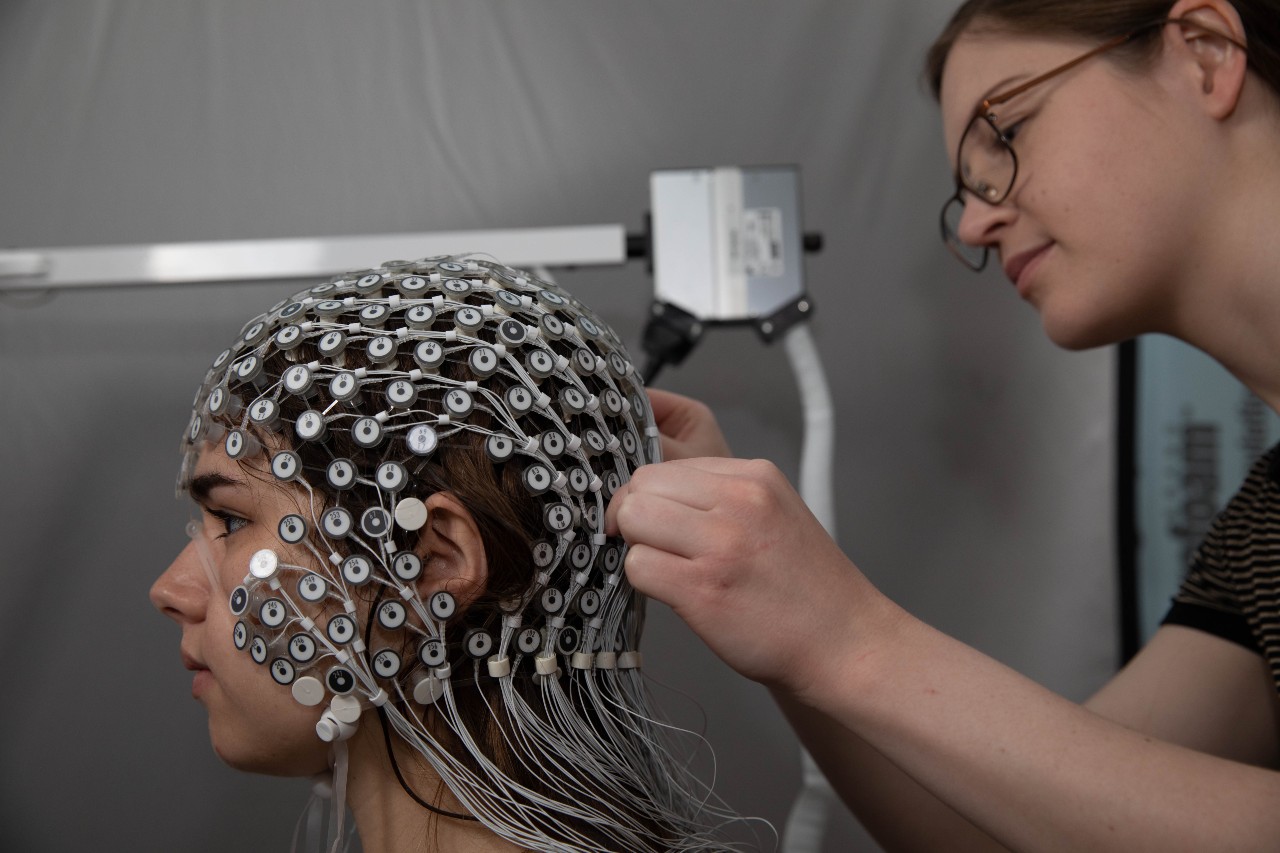
Center for Neuroscience and Behavior
Miami's Center for Neuroscience and Behavior is an interdisciplinary research center with a mission to promote neuroscience research as well as to train graduate and undergraduate students for a career in developmental, cellular, molecular, and/or behavioral neuroscience.
As a highly interdisciplinary field, neuroscience requires an in-depth study of the nervous system at multiple levels of analysis—including molecular, genetic, cellular, and systems levels. State-of-the-art laboratory facilities are available for faculty and student research.
See Our Research Resources
Additional Research Support
Office of Research and Innovation
Miami is committed to supporting our community's research efforts. We have robust programs and services in place to help you fulfill the professional, contractual, legal, and ethical obligations intrinsic to your research activities, whether you are a member of our faculty, an undergraduate, or a graduate student.
Office of Research for Undergraduates (ORU)
The Office of Research for Undergraduates provides a central focus for the encouragement and support of undergraduate research at Miami University. It administers a variety of funding and exhibition programs and events.
Questions? Visit our FAQs
Department of Biology
Students in undergraduate and graduate programs learn biological concepts taught by dedicated faculty and gain hands-on research experiences in the laboratory and field using first-class equipment, centers, and facilities. Our graduates pursue a wide variety of career paths in health, biotechnology, the environment, and plant science.

