
May 2022 Newsletter
As Miami University students, instructors, and staff get to work on summer 2022 Dragonfly courses that began this past week, we have a few updates.
May 2022 Newsletter
As Miami University students, instructors, and staff get to work on summer 2022 Dragonfly courses that began this past week, we have a few updates.

Hello,
As Miami University students, instructors, and staff get to work on summer 2022 Dragonfly courses that began this past week, we have a few updates:
--Congratulations to our May 2022 graduates! This group includes the first St. Louis AIP class who earned their Miami University master's degrees with experiential learning through Missouri Botanical Garden.
--Interested in earning a master's? Apply by July 1 to the Global Field Program or the Advanced Inquiry Program for entry in Fall 2022. The next deadlines to apply are January 28 for the GFP and February 28 for the AIP for entry in Summer 2023.
And, of course, we hope you enjoy reading below about a few Dragonflies in the news. Please let me know if you have any questions or would like to connect.
On behalf of the Dragonfly Team,
Jamie
Miami Dragonflies in the News
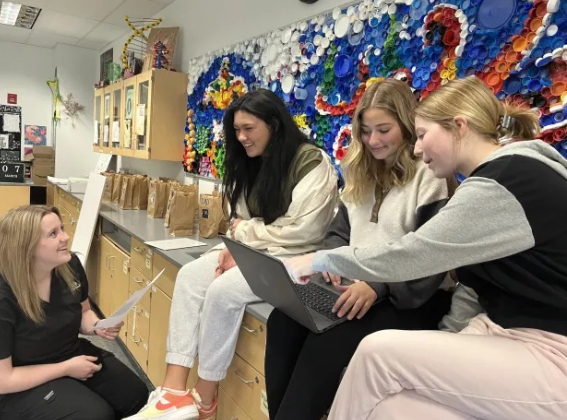 Two Dragonfly students publish in Green Teacher magazine
Advanced Inquiry Program student Pamela Chin of Flushing, New York, and Global Field Program student Annie Zaremba of Canton, Ohio, have both published in a recent issue of Green Teacher magazine.
Chin, who takes Miami University web-based classes while engaging with the Bronx Zoo community, wrote about promoting inquiry-based instruction via zoo visits for her middle school language arts classroom. Zaremba's article shared how her students investigated social-ecological approaches to invasive species management, including challenging situations when invasive species may have positive economic or cultural value. ... read Chin's article and Zaremba's article.
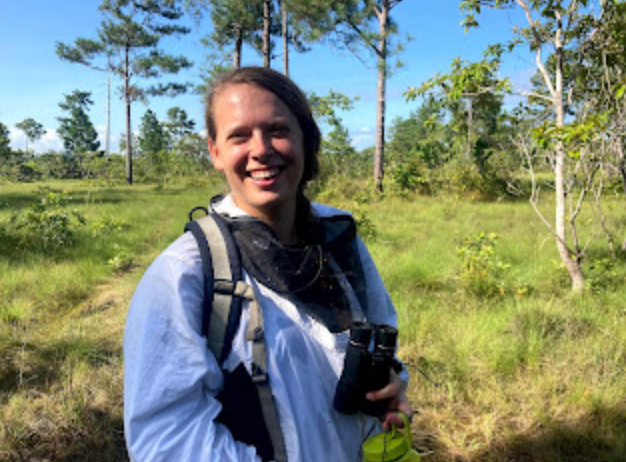 GFP student Kayla Clark reflects about her Belize course
Global Field Program student Kayla Clark of Savannah, Georgia, shares her experiences and memories of her Miami Earth Expeditions: Belize course.
"I am a saltwater human through and through, so I was surprised that the parts of the trip that most impacted me were inland and not in the clear blue ocean water,” said Clark..... read about her experience.
 AIP graduate and AIP MI Denver Zoo host virtual talk about self care
Advanced Inquiry Program graduate Andrew Pittman ’18, who participated in experiential learning through AIP Master Institution, the Denver Zoo, explores self-care and ways to reduce burnout, which can be present in many facets of life including daily tasks, work, and graduate school. Pittman of Aurora, Colorado, also discusses the impact of compassion fatigue often present in healthcare and conservation work and how to navigate those feelings. ... read more and access his talk.
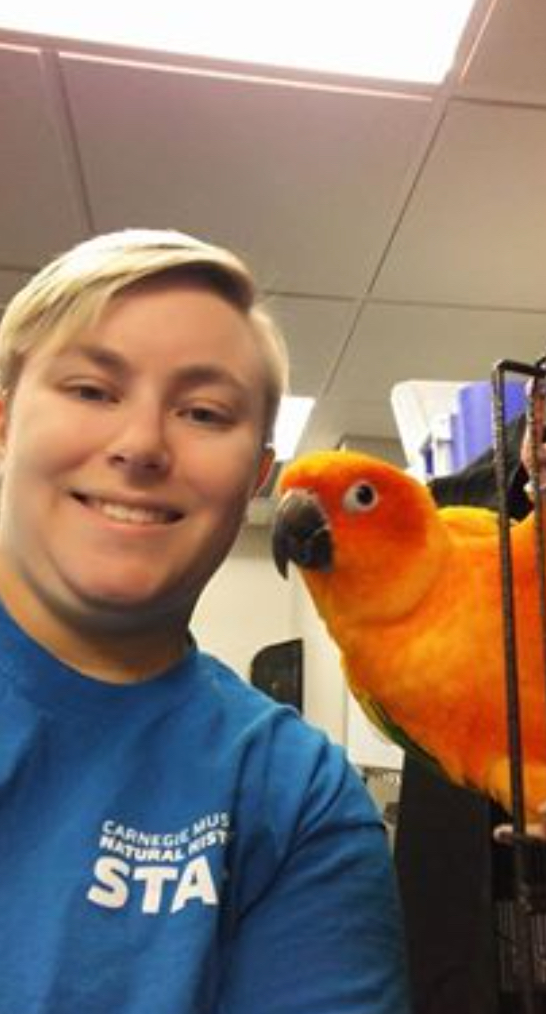 AIP graduate helps implement cell phone recycling at Pittsburgh museum
Earlier this year, Advanced Inquiry Program graduate Jo Tauber ’21 worked to start a cell phone recycling program at Carnegie Museum of Natural History in Pittsburgh, Pennsylvania. Tauber, who works at the museum and earned her Miami master's online with experiential learning through Cleveland Metroparks Zoo, wrote about the issue to show the museum public why the initiative benefits gorillas. ... read more and access her article.
 Miami University assistant teaching professor and Dragonfly instructor gives NSTA webinar
Katie Feilen, Ph.D., -- primatologist, Dragonfly instructor, and Miami University assistant teaching professor -- gave a webinar for the National Science Teaching Association in early May. Feilen, who has chased 12 monkey species through jungles on three continents, discussed how primates are adapting to a changing world and how we can use scientific inquiry to conserve them. ... read more and view or download her webinar.