
ECE Academic Programs
Miami University’s Department of Electrical and Computer Engineering (ECE) prepares students to design and improve the technologies that shape the world around us. In a close-knit community with small classes and dedicated faculty mentors, students gain hands-on experience through research, design projects, and student organizations while building expertise in engineering, computing, mathematics, and science. Whether developing robots, advancing communication systems, creating smarter devices, or designing the embedded systems that power modern technology, ECE graduates leave prepared for impactful careers in industry and graduate study.
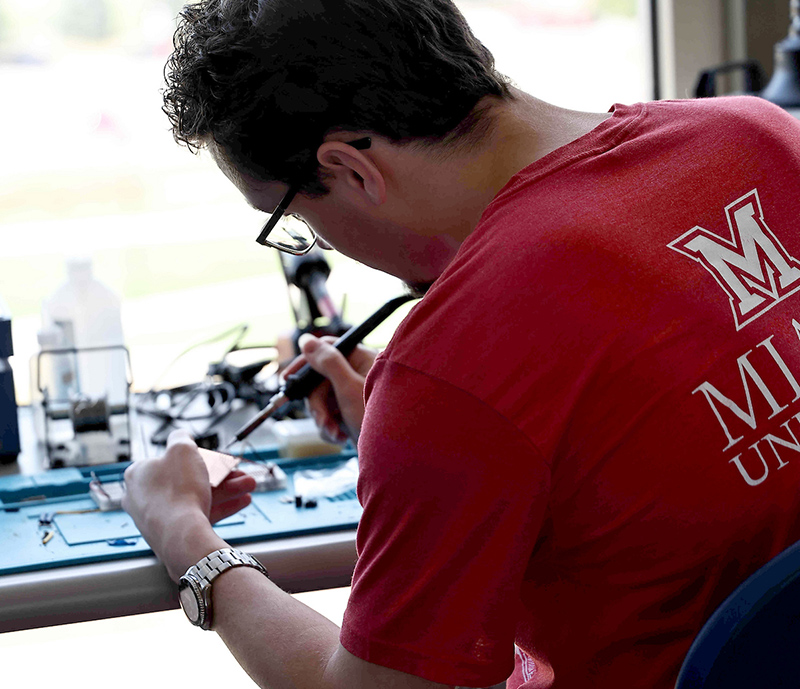
Computer Engineering, B.S.
Computer Engineering is about creating the intelligent devices and computing systems that drive today's connected world. At Miami, students in our four-year Bachelor of Science in Computer Engineering program learn to design computer hardware, embedded systems, and software that power everything from robots and autonomous vehicles to smart devices, communication networks, and advanced computing platforms.
This degree program is accredited by the Engineering Accreditation Commission of ABET under the commission’s General Criteria and Program Criteria for Electrical, Computer, Communications, Telecommunication(s), and Similarly Named Engineering Programs.
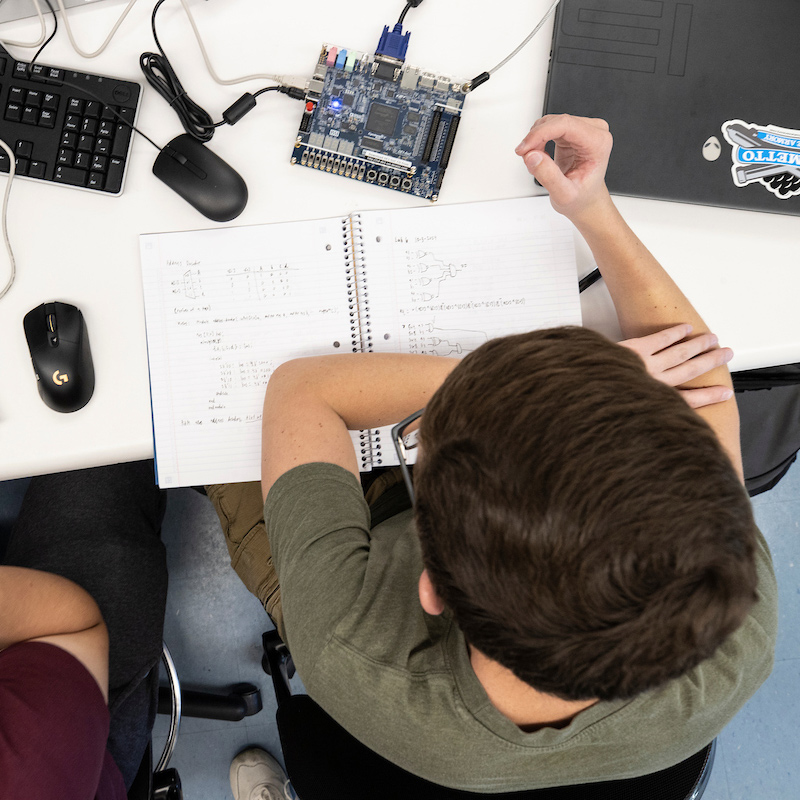
Electrical Engineering, B.S.
Electrical Engineering is about harnessing electricity and electronics to power, control, and connect the technologies people rely on every day. At Miami, students in our four-year Bachelor of Science in Electrical Engineering program learn to design circuits, electronic devices, power systems, and control technologies used in applications ranging from renewable energy and smart infrastructure to robotics, communications, signal processing, and advanced manufacturing.
This degree program is accredited by the Engineering Accreditation Commission of ABET, under the commission’s General Criteria and Program Criteria for Electrical, Computer, Communications, Telecommunication(s), and Similarly Named Engineering Programs.
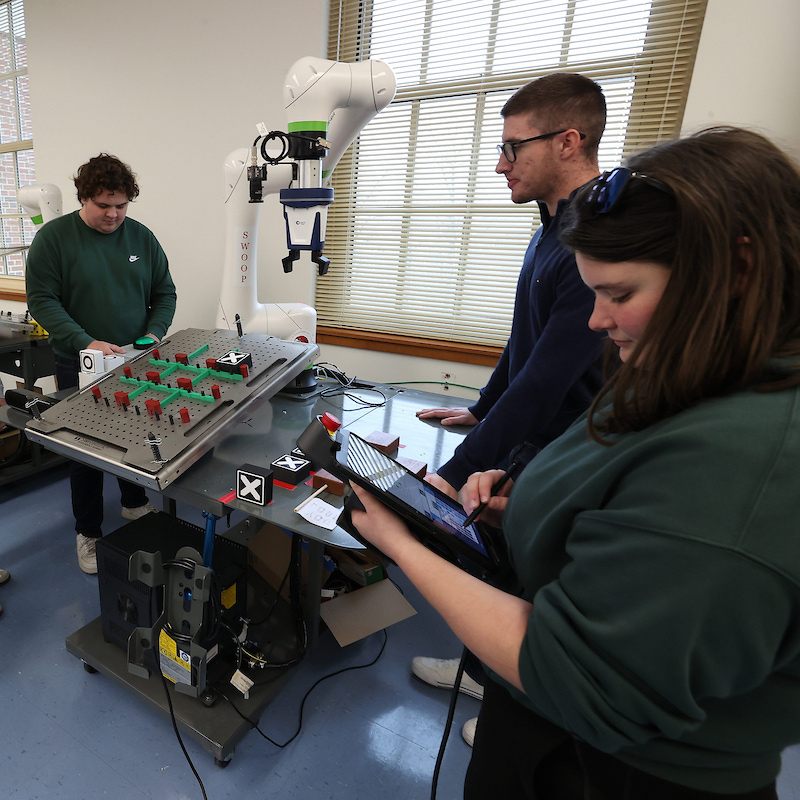
Engineering Management, B.S.
Engineering Management prepares students to bridge the gap between technology and business. At Miami, students in our Electronics and Computing concentration of the four-year Engineering Management degree develop expertise in Electrical and Computer Engineering while gaining the management, communication, and problem-solving skills needed to lead the development of innovative products and technologies.
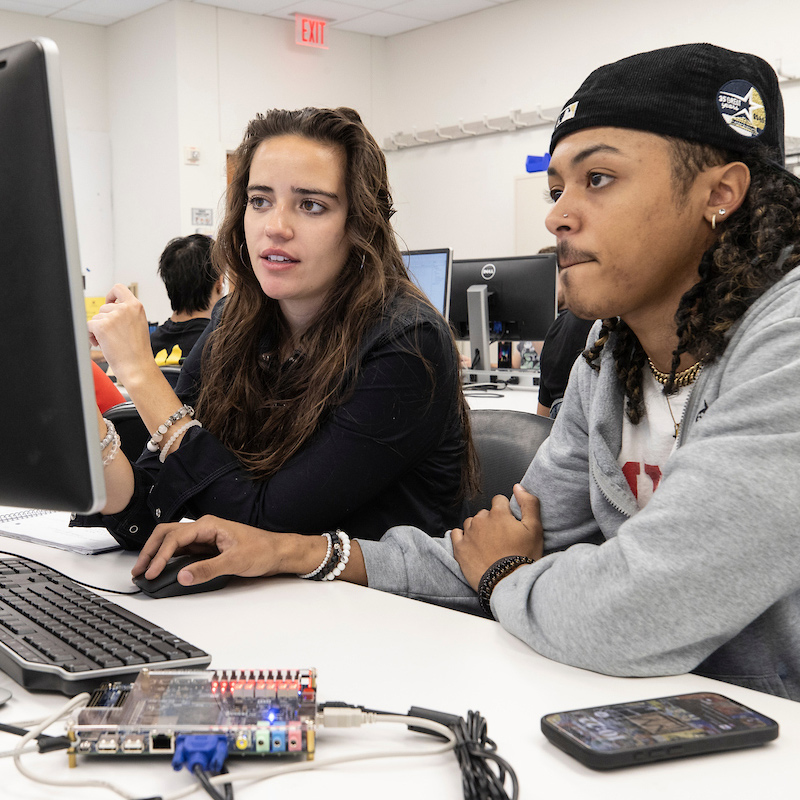
Robotics Engineering, B.S.
Robotics Engineering is focused on designing intelligent machines that can sense, think, and act. At Miami, students in our four-year Bachelor of Science in Robotics Engineering program learn to integrate mechanics, electronics, sensors, and software to create robotic systems for applications ranging from autonomous vehicles and drones to healthcare technologies, advanced manufacturing, and smart cities.
Accredited by the Engineering Accreditation Commission of ABET, under the commission's General Criteria and Program Criteria for Mechatronics, Robotics, and Similarly Named Engineering Programs.
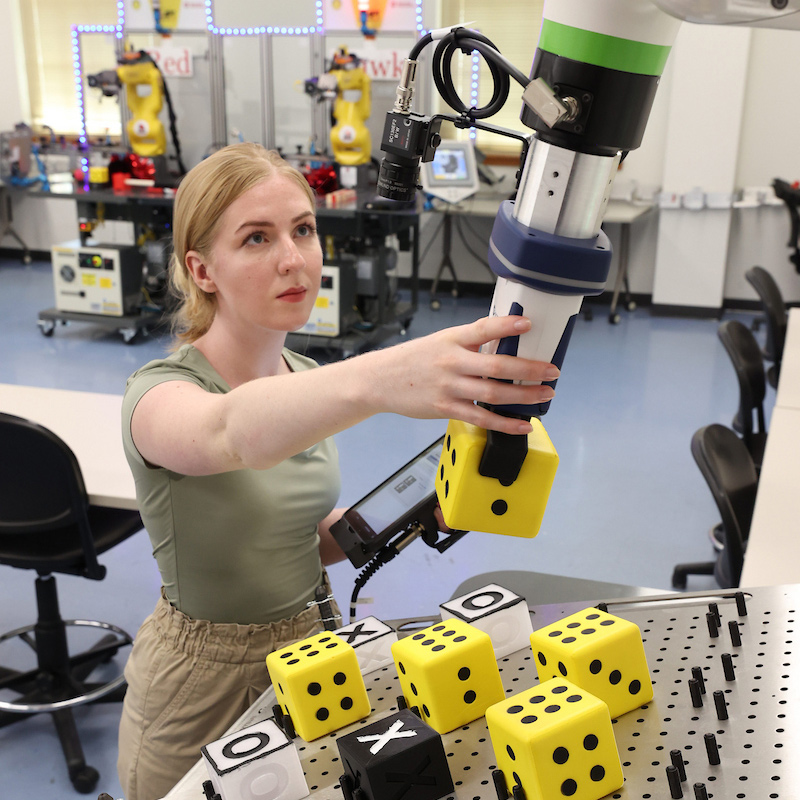
See Robotics Engineering in Action
Watch a demonstration from our Industrial Robotics Lab and hear from current students.
Minor and Certificates
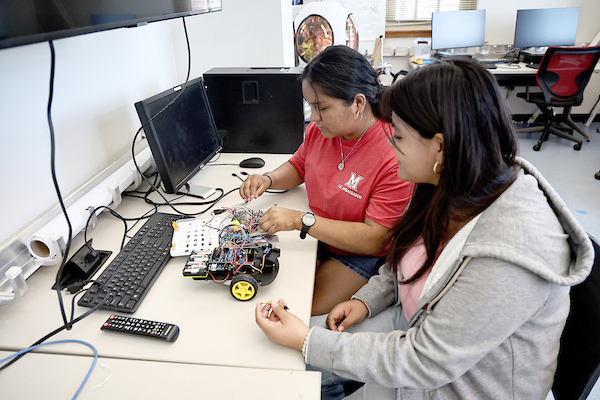
Electrical Engineering Minor
The Electrical Engineering minor introduces students to the design and operation of electrical and electronic systems that power modern technology. Through coursework in circuits, electronics, and microprocessor systems, students build a strong technical foundation while applying their knowledge in hands-on laboratory and design experiences. This minor enhances analytical and problem-solving skills and provides valuable expertise for careers and graduate study in engineering, technology, and related fields.
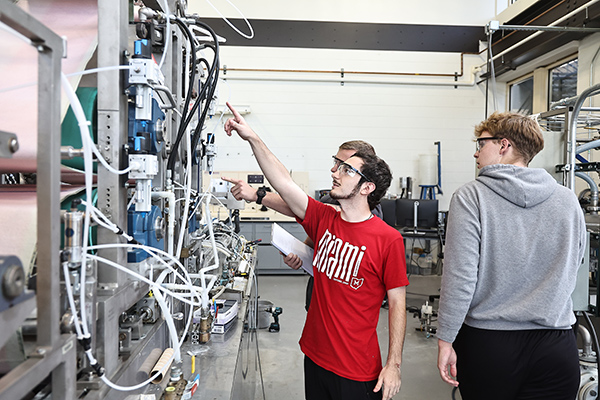
Paper Engineering Certificate for Electrical Engineers
This certificate provides electrical engineering majors with specialized knowledge of the pulp and paper industry, expanding career opportunities in one of the world's largest manufacturing sectors. Students gain an understanding of paper science and engineering while building expertise in areas highly valued by industry, including industrial robotics, control systems, and power systems engineering. The program combines discipline-specific technical skills with industry-focused coursework.

Hardware and Software Cybersecurity Certificate
The certificate in Hardware and Software Cybersecurity provides students with critical hardware and software knowledge for cybersecurity careers. The 16-credit-hour curriculum, consisting of five courses, ensures a solid understanding of computer hardware and cybersecurity principles.
Graduate Programs

Electrical and Computer Engineering, M.S., M.Eng.
The M.S. and M.Eng. programs in Electrical and Computer Engineering provide advanced study in areas such as computing, programming, modeling, and engineering systems. Through coursework and the choice of research or project experiences, students develop the technical expertise and problem-solving skills needed for professional practice and continued career advancement.
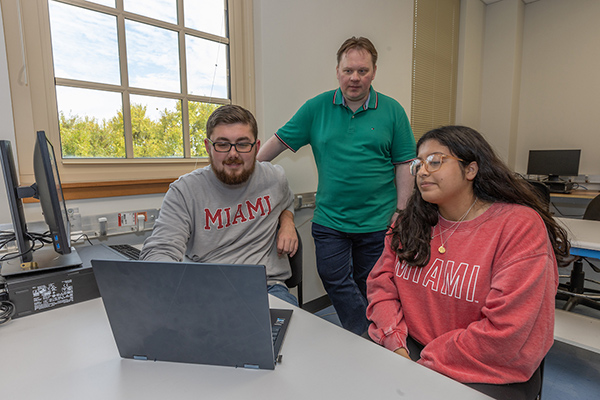
Engineering, Ph.D.
The Ph.D. in Engineering prepares students for leadership roles in academia, industry, and research through advanced, interdisciplinary study. Students conduct original research within one of six engineering concentrations while developing innovative solutions to complex technical and societal challenges.
Department of Electrical and Computer Engineering
Garland Hall, Room 260
650 E. High Street
Oxford, OH 45056