
Global Faculty Research Profile: Fauzia Ahmed
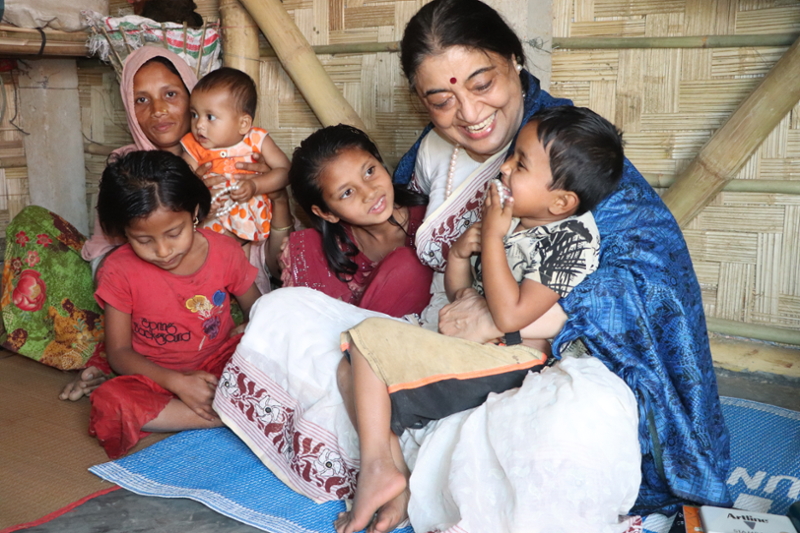
During the 2020 fiscal year, Dr. Fauzia Ahmed, associate professor of sociology, conducted participatory action research on gender and empowerment among Rohingya women in refugee camps.
Global Faculty Research Profile: Fauzia Ahmed
During the 2020 fiscal year, Dr. Fauzia Ahmed, associate professor of sociology, conducted participatory action research on gender and empowerment among Rohingya women in refugee camps.
What were some of the outcomes of your research?
There were three outcomes: research findings, workshops, and a video.
Research Findings
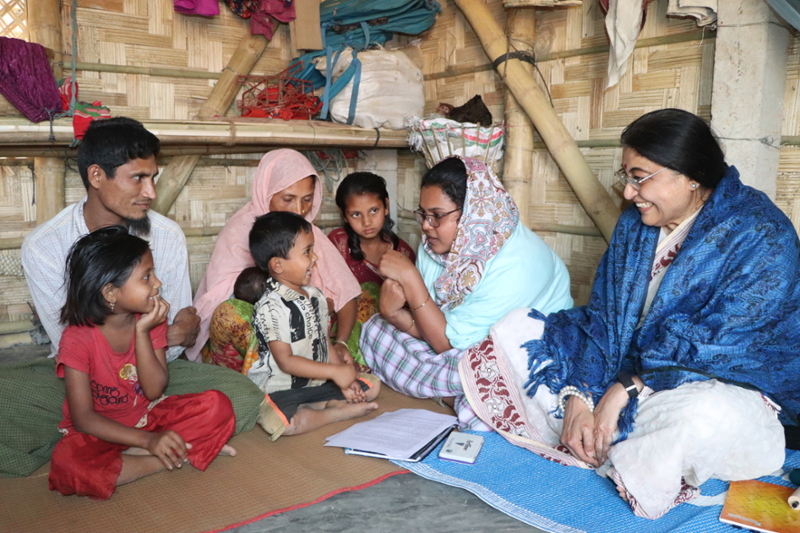
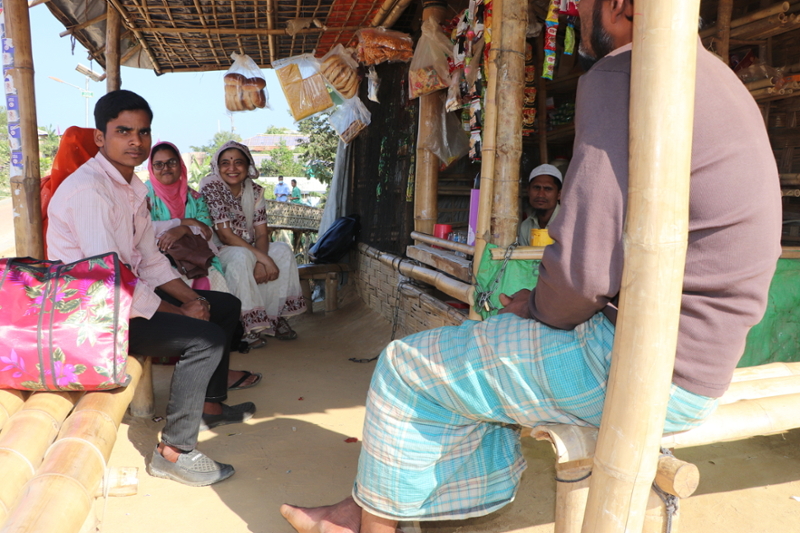
- All block leaders (majhee) are men. Rohingya women argue that a female co-leader would enable women’s concerns to be better addressed.
- The Myanmar army has killed many Rohingya men; as a result, there are many young women without male relatives. These women are vulnerable to rape and sex trafficking.
- A range of masculinities exists; progressive Rohingya men need greater visibility so that they can ally with Rohingya women.
- The Rohingya are devout Muslims, and Islam is both a source of personal resilience and community cohesiveness.
Workshops, Presentations and Video
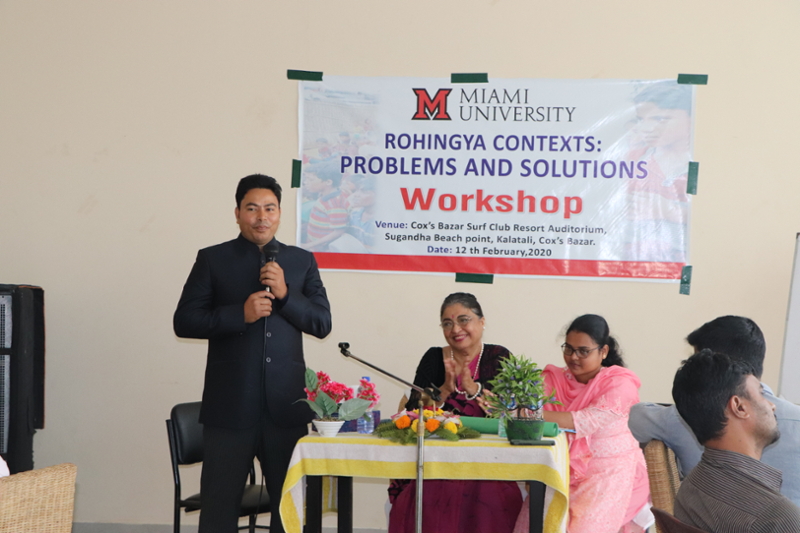
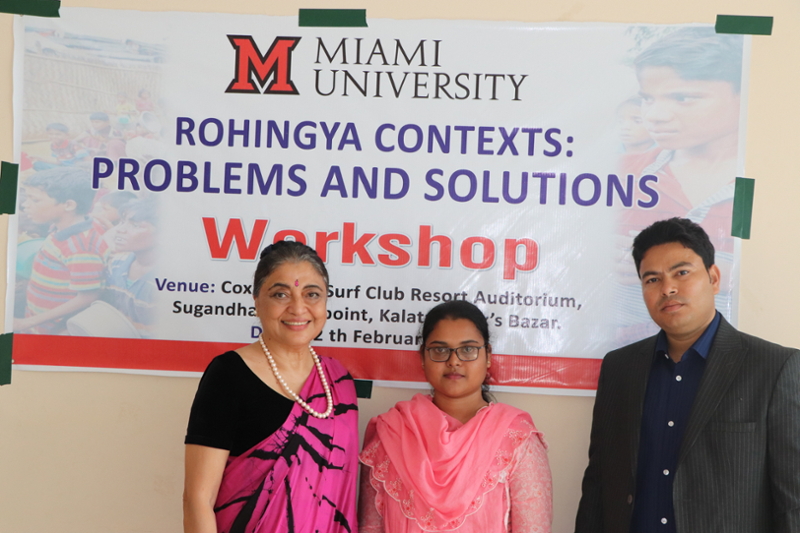
We conducted three interactive workshops in Bangladesh to share and discuss our findings. I initiated each workshop with a presentation.
- “Rohingya Contexts: Problems and Solutions,” for the United Nations personnel and Non-Governmental Organizations (NGOs) staff, government officials, and journalists. Solutions ranging from microcredit to women to safety measures for young girls were discussed.
- “Participatory Action Research: Sharing Findings with the Rohingya Refugee Community," for the Rohingya community. Solutions were identified as elimination of dowry, eradication of domestic violence, protection of girls and women, and mentoring for youth.
- “Lessons in Faith and Hope for Adolescent Refugees,” for Rohingya girls and boys to ascertain adolescent perspectives. Rohingya adolescents want desperately to study: they want a school system which allows them to work during the day so that they can help their families and to study at night.
I received a grant from the John E and Winifred E Dolibois Faculty Development Fund, Farmer Business School, Miami, to conduct these workshops.
Based on my research findings, I made a video, “The Weight of Unshed Tears: A Journey through the Rohingya Refugee Camps,” on my return to Miami. Its purpose is to describe my ethnographic research methodology and to share my findings with the academic community, NGOs, and potential donors. This video was made possible through a grant from the Digital Humanities Fellowship at Miami.

How did the COVID-19 pandemic affect your research?
Planned public presentations about my research planned for late spring 2020 were postponed due to the COVID-19 crisis. I have been unable to go back to the Rohingya refugee camp in December 2020 as I had planned. We have postponed Akota’s Rohingya program. Despite this, our emphasis on communication via phone with the refugees ensures continuity of purpose.
What are your plans for the coming year?
As a result of my research, I am developing new course modules on gender, empowerment, and refugee status for GIC/WGS 201 (Introduction to Women’s Studies), SOC/GIC/ITS 305 (The Sociology of Globalization), and SOC/WGS 203 (The Sociology of Gender). I am also working with faculty in the College of Engineering and Computing to design an interdisciplinary capstone project and connect Miami’s chapter of Engineers Without Borders to the Rohingya community.
PAR means linking research to social change. As founder of Akota, I will utilize research findings to develop programs for Rohingya women, men, and adolescents. My future plans are:
- to conduct research on adolescent Rohingya masculinities and femininities, and to use findings to establish the Akota program for youth empowerment, with a focus on girls; and
- to research Rohingya women’s employment, and through Akota, create employment, such as a sanitary napkin factory which would be managed and staffed by Rohingya women.