Skip to Main Content

Biological Safety

The Office of Research and Innovation (ORI), the Environmental Health and Safety Office (EHSO), and the Institutional Biosafety Committee (IBC) provide oversight for biological safety management at Miami University.

Bloodborne Pathogens

Bloodborne pathogens (BBP) are infectious microorganisms found in blood that can be transmitted in a variety of ways (e.g., passing through the skin layer from a cut or stick, contact with mucous membranes). If you are working with bloodborne pathogens, review the information provided.

Exposure Control Plan

The Exposure Control Plan identities tasks and procedures in which occupational exposure may occur and specifies the positions whose duties include those tasks and procedures.

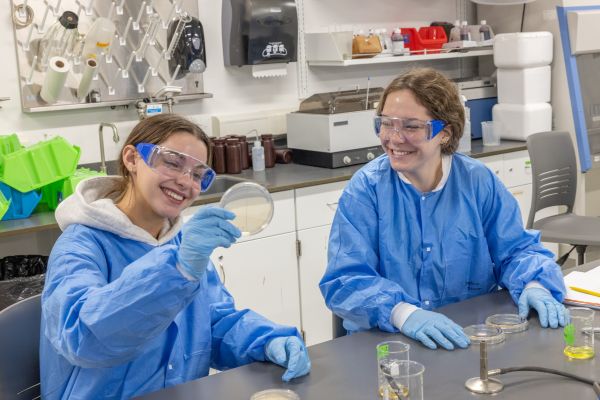
Training

The Office of Research and Innovation (ORI) offers training, at no cost, to all researchers. Instructions for accessing bloodborne pathogens training can be found here.

Post Exposure Plan

The Post Exposure Plan gives a brief introduction to the University’s post exposure evaluation and follow-up procedures for Miami employees, supervisors, and physicians.

Infectious Waste Management Guide

The Infectious Waste Management Guide assists University personnel in the proper handling and disposal of infectious wastes generated in laboratories and other University work areas.

Institutional Biosafety Committee

The Institutional Biosafety Committee (IBC) provides review and oversight of experimentation that involves infectious agents and other potentially infectious biological materials. Research or classroom activities that involve infectious or potentially infectious agents must have an IBC protocol in place. Please visit the link above to begin the application process.

Additional Resources

Additional information from the Environmental Health and Safety Office (EHSO) can be found at the link above.

Institutional Biosafety Committee (IBC)

Principal Investigators and course instructors are required to submit an IBC application to the Office of Research and Innovation (ORI) for IBC review if their research or teaching labs utilize recombinant or synthetic nucleic acid molecules, infectious agents, or other potentially hazardous biological materials.