FSB student visits Washington D.C. for crypto conference
Student joined others from across country to discuss government action on crypto
FSB student visits Washington D.C. for crypto conference
Student joined others from across country to discuss government action on crypto
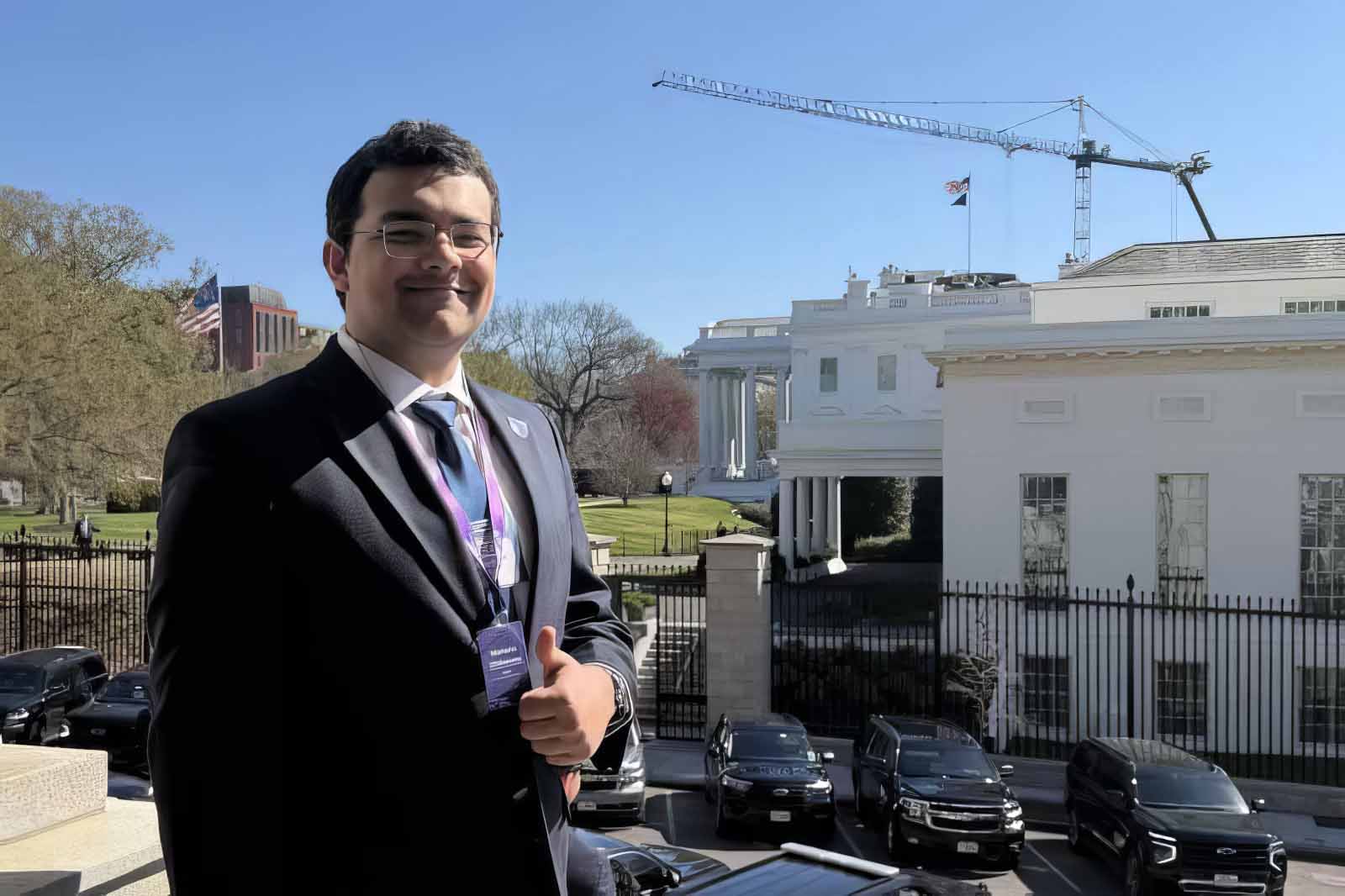
Spring break is an opportunity for Miami University students to get out of town and take some time off from academics. But Mohsin Chheena didn’t head for the beach.
Instead, the junior Honors Information and Cybersecurity Management major went to Washington D.C. to take part in a meeting of the minds concerning crypto and government legislation.
Chheena is vice president of research for the Miami University Blockchain Club, which is sponsored in part by Stand With Crypto (SWC). SWC describes itself as “America's leading crypto advocacy organization. A grassroots hub empowering crypto users, builders, and supporters to make their voices heard.”
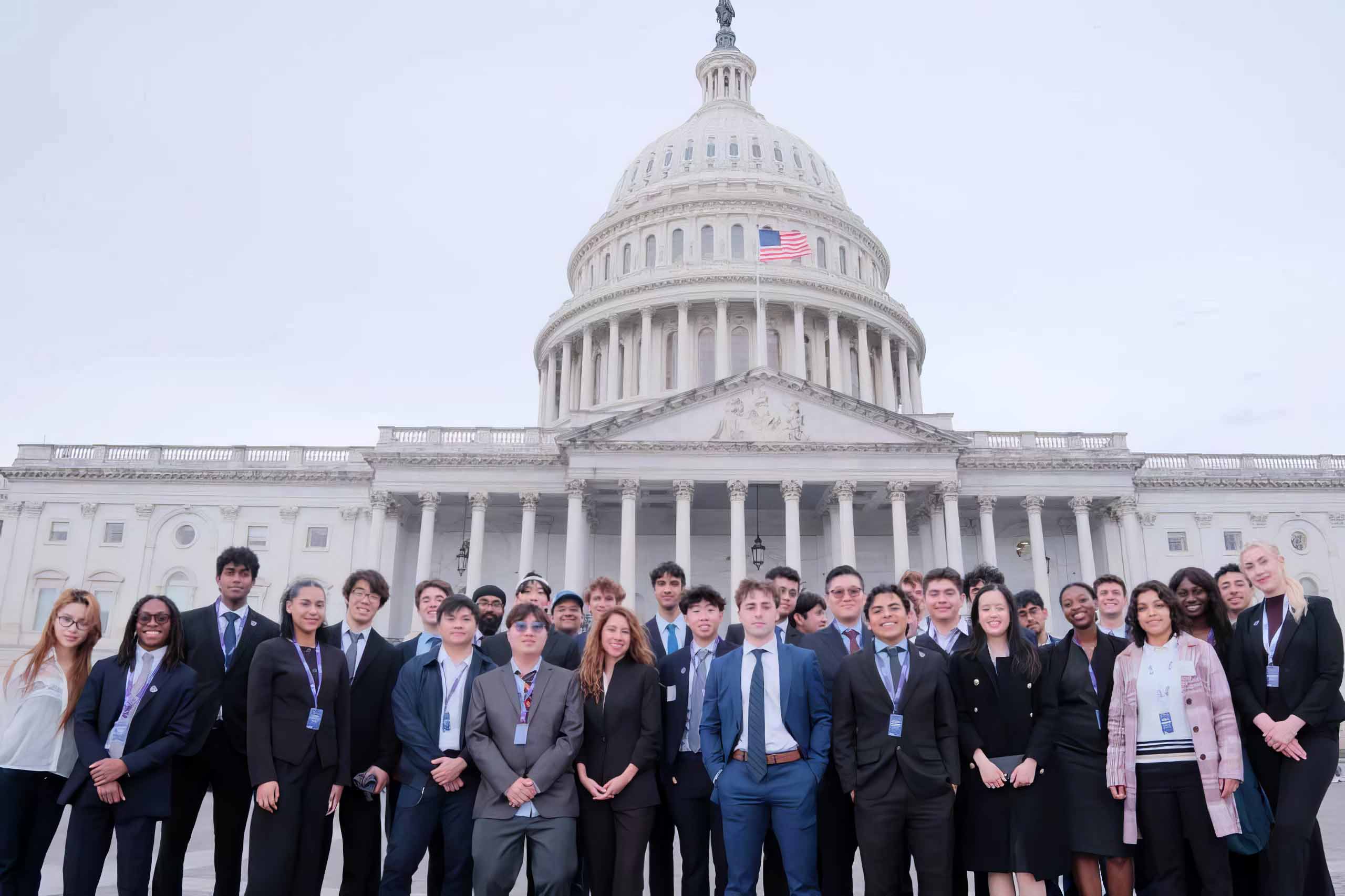
“There were 30 representatives from college campuses around the country. I was the representative for Miami, and others in the delegation were from places like the Ivy League and leading institutions in California,” Chheena said. “We got a chance to tour the Eisenhower Executive Office Building as well as the US Capitol, and also meet with Harry Jung, deputy director of the President’s Council of Advisors for Digital Assets.”
Chheena said he spent time with leaders from other university blockchain organizations and learned much about how they operate and where they focus their efforts. The group also discussed crypto and how government should work with it within regulations and support.
“In our interactions with some of the lobbying groups, like the Blockchain Association and the Solana Policy Institute, we talked about how government, and particularly how the legislature is seeing crypto and its adoption,” he said. “Part of their interest in having us was for us to reach out to legislators and say, ‘Look, these are people that use the technologies that we want to promote and regulate. These are real people.”
“We tend to forget how important it is that we're actively advocating, since we're the leaders in these in this space,” Chheena said. “We need to make sure that how legislators view it is similar to how we want it to be implemented.”
He said that experienced students have long been a go-to source for information about crypto and blockchain among their peer, which makes them useful to lobbyists and legislators who may not have much previous knowledge about the subjects.
“How do they want that those same questions to be answered on national scale or on a government scale in general?” Chheena asked. “We've kind of gone through the trial and error to make sure that when it comes to institutionalizing something like this, there's less chance of error.”