Amazon: Avian & Tropical Ecology
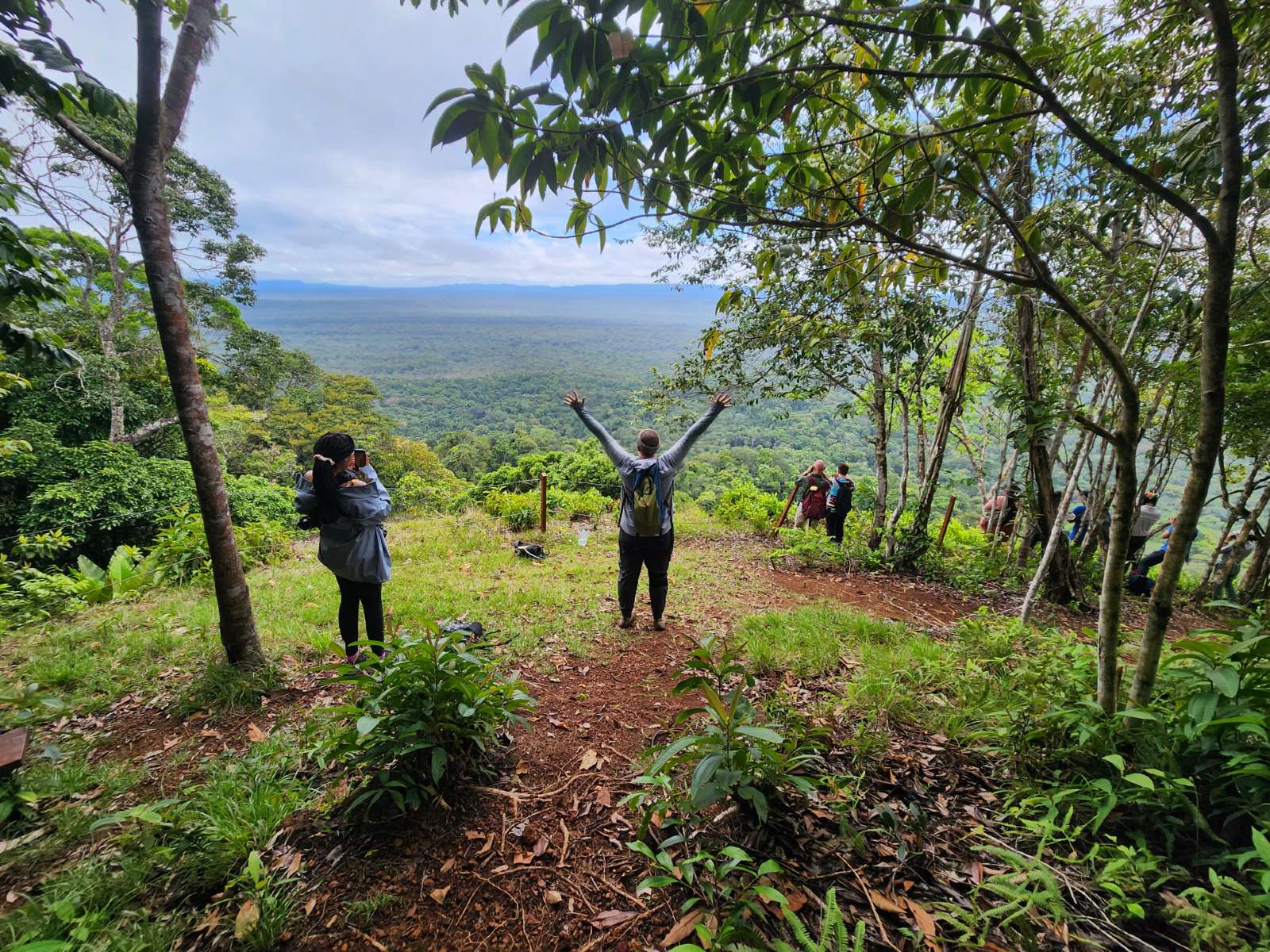
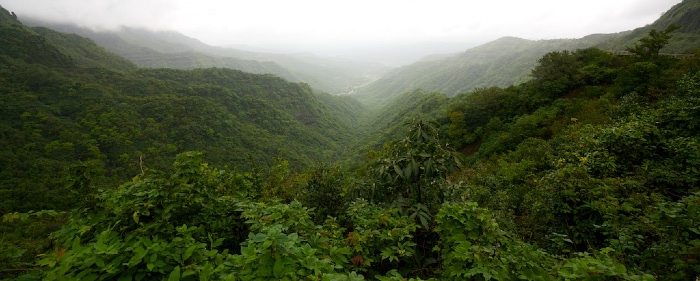
Journey to the Amazon and learn how communities are working to save this astonishing and irreplaceable ecosystem.

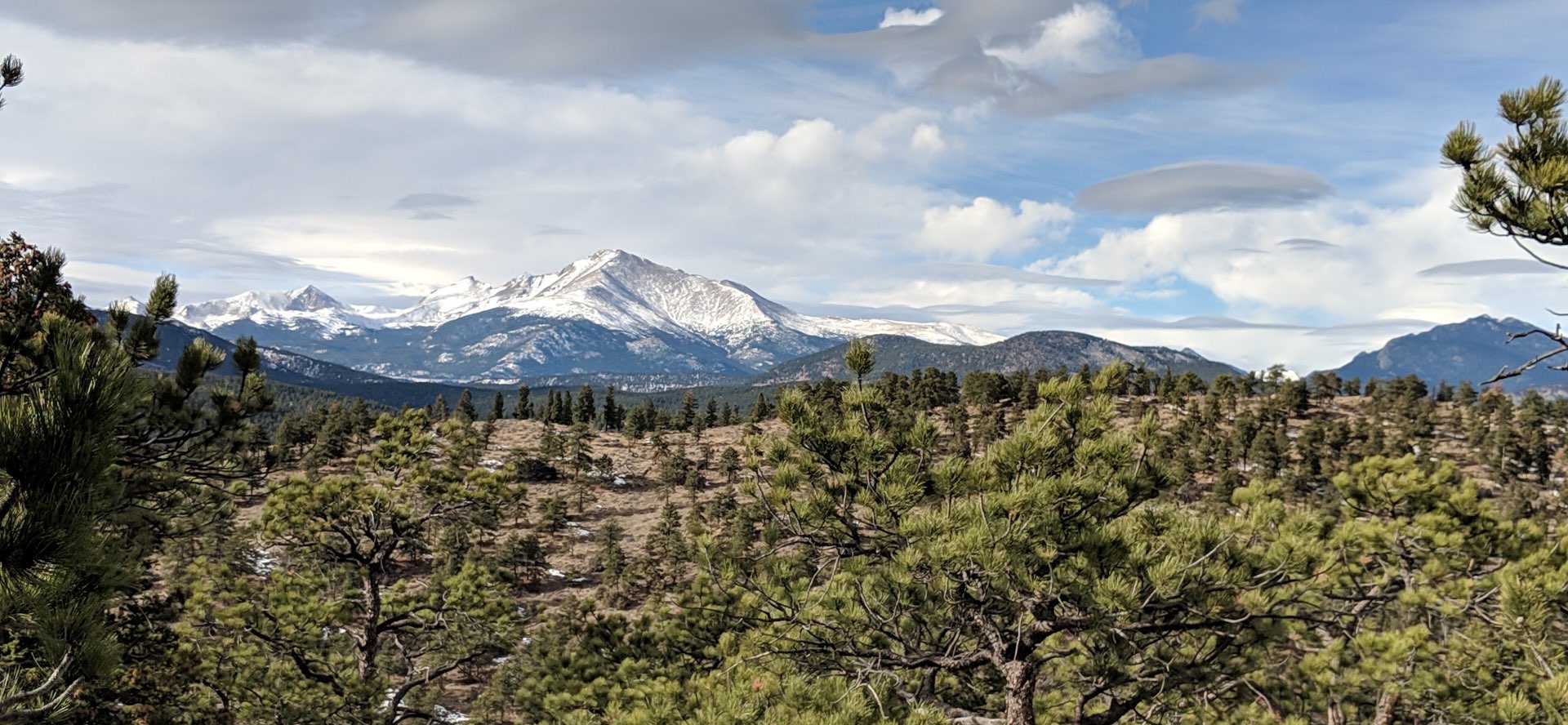


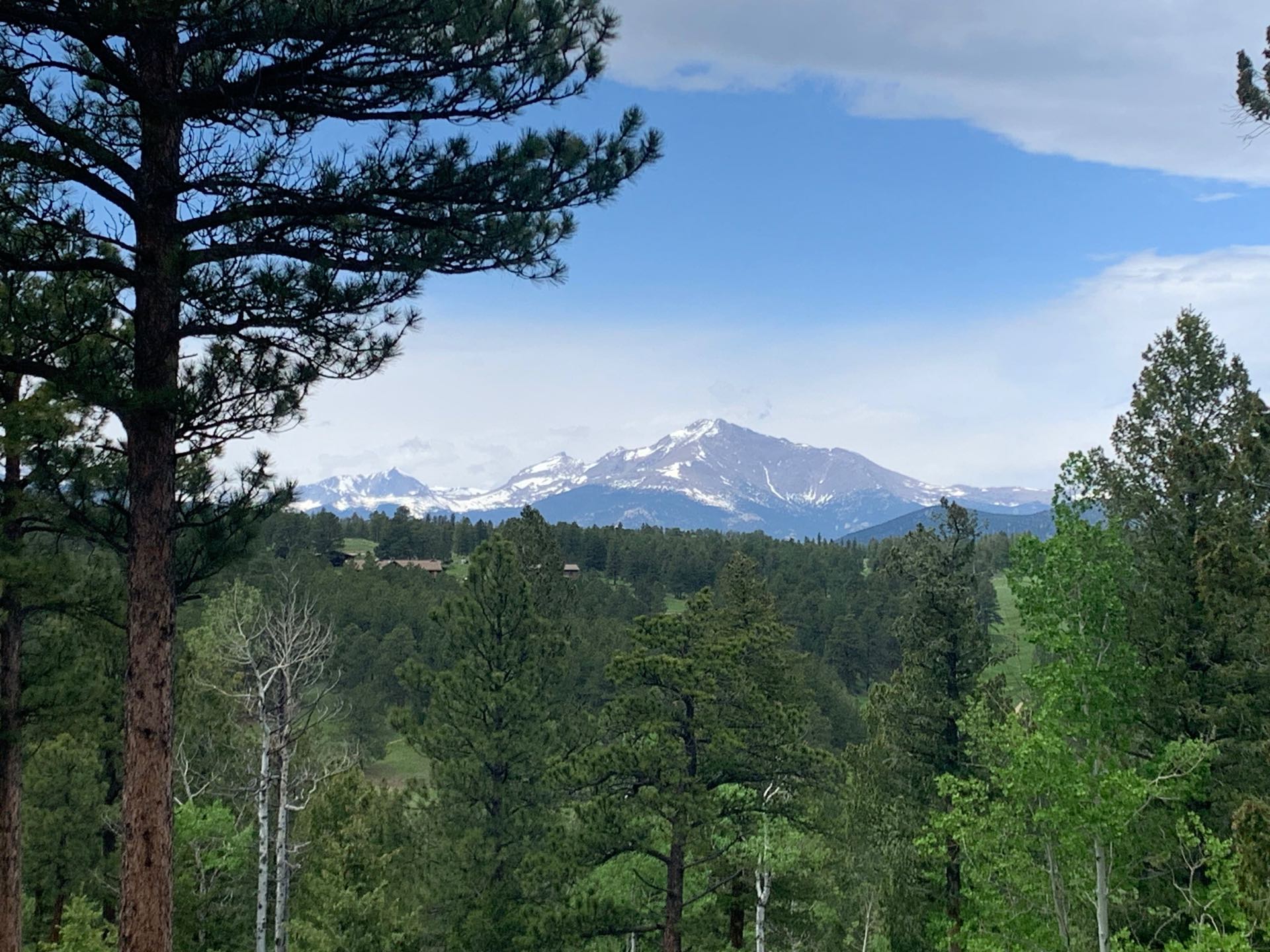
Dive into the heart of the largest mountain system in North America with this immersive, graduate-level field course.
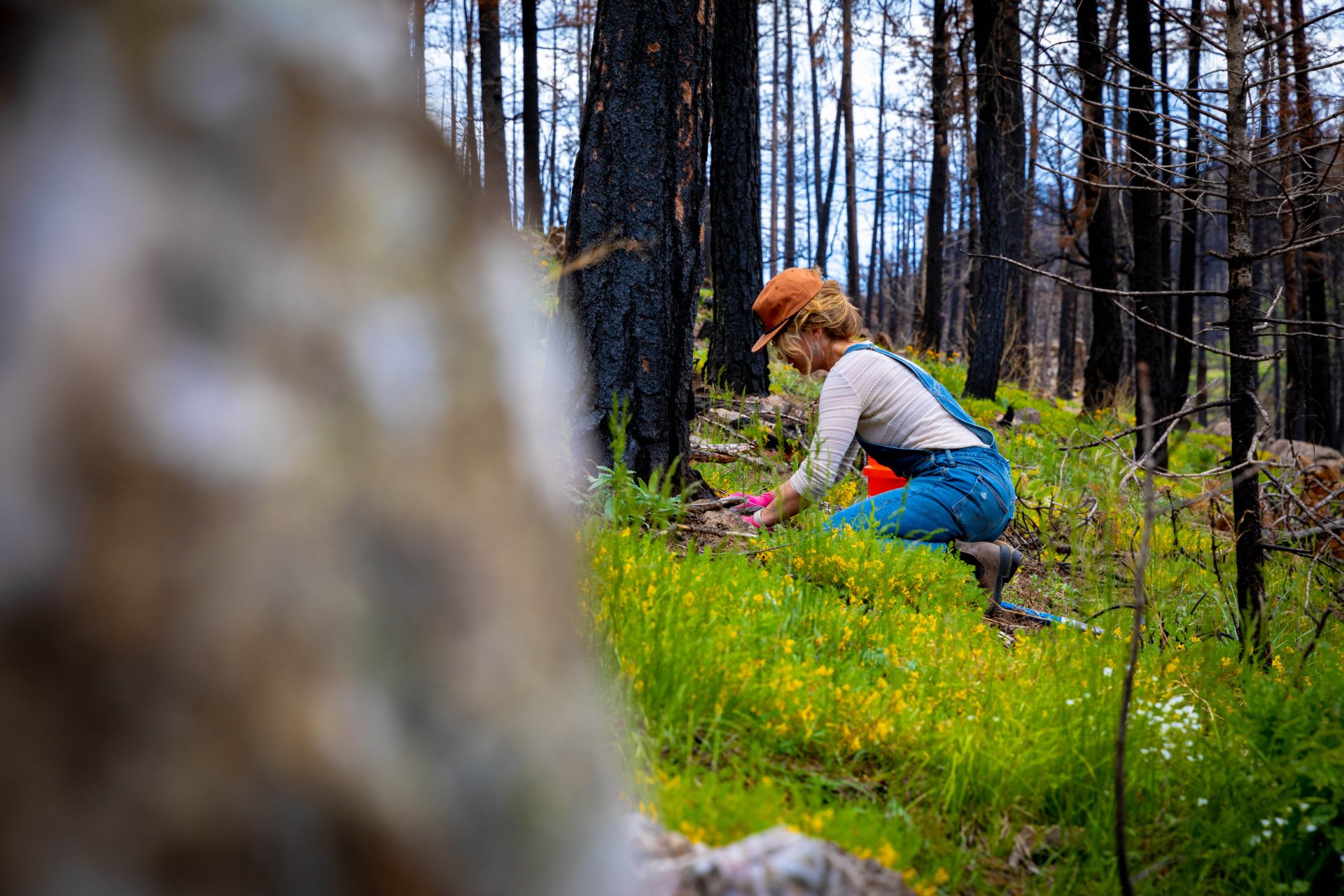
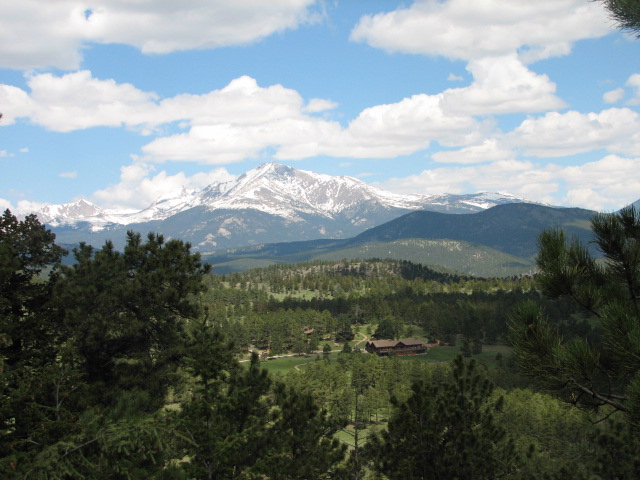
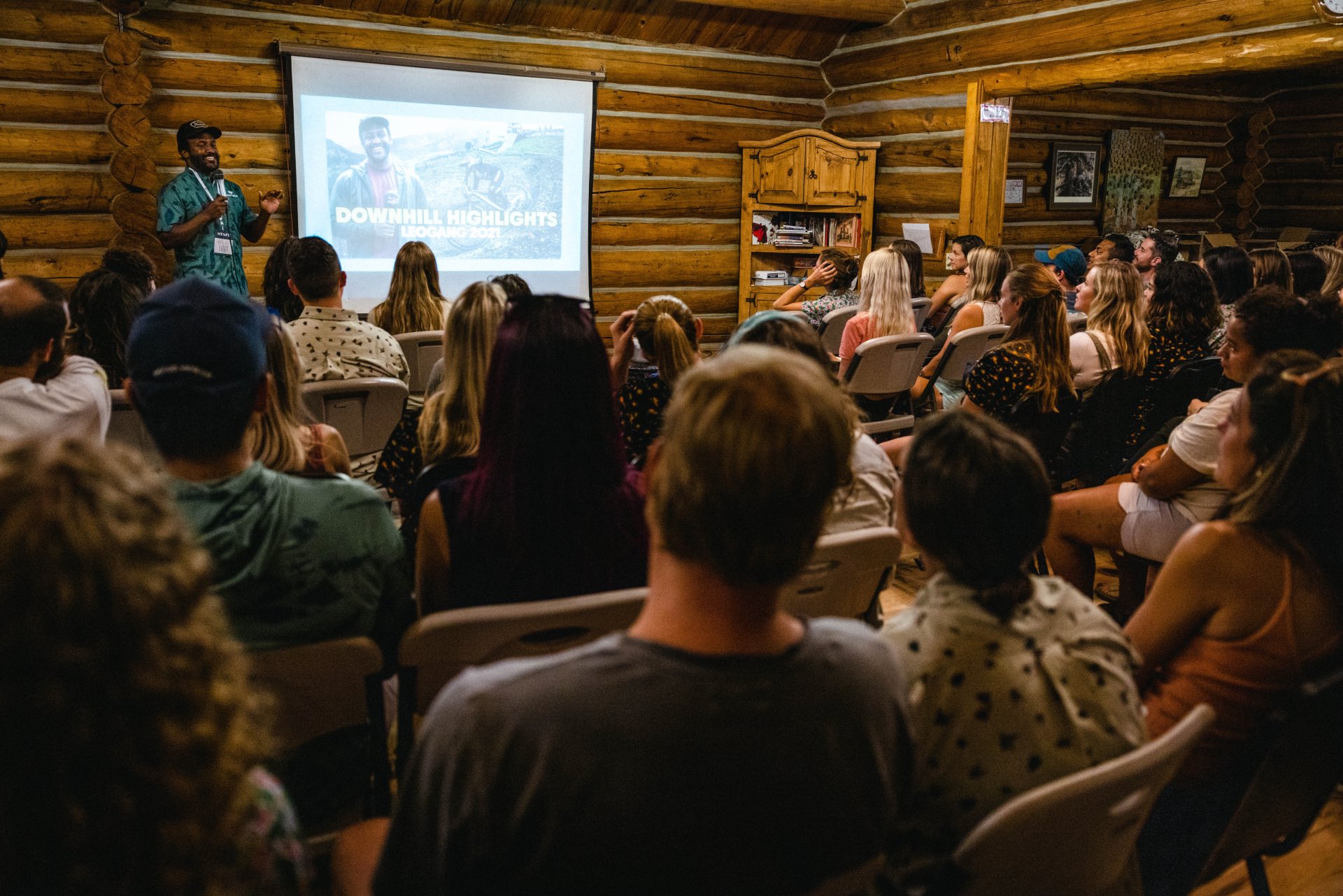
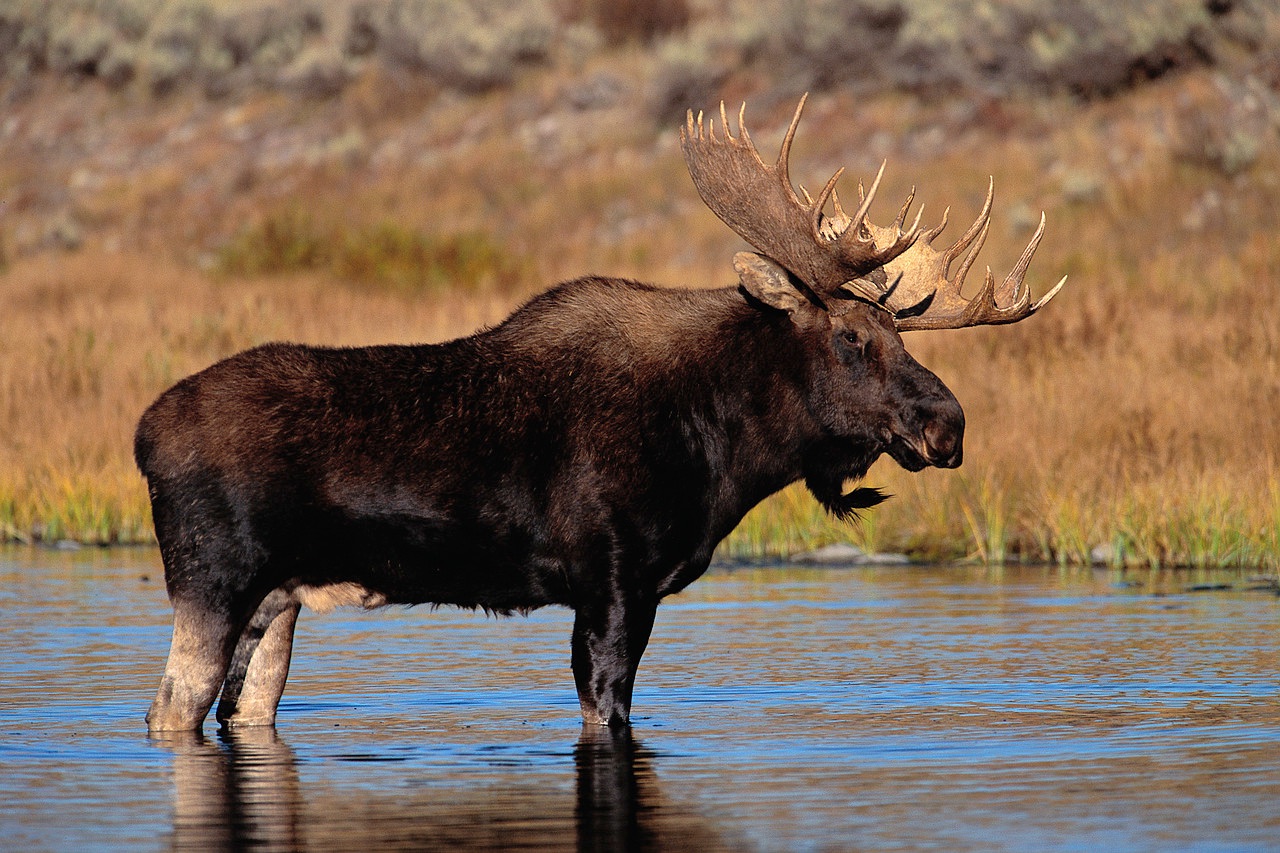
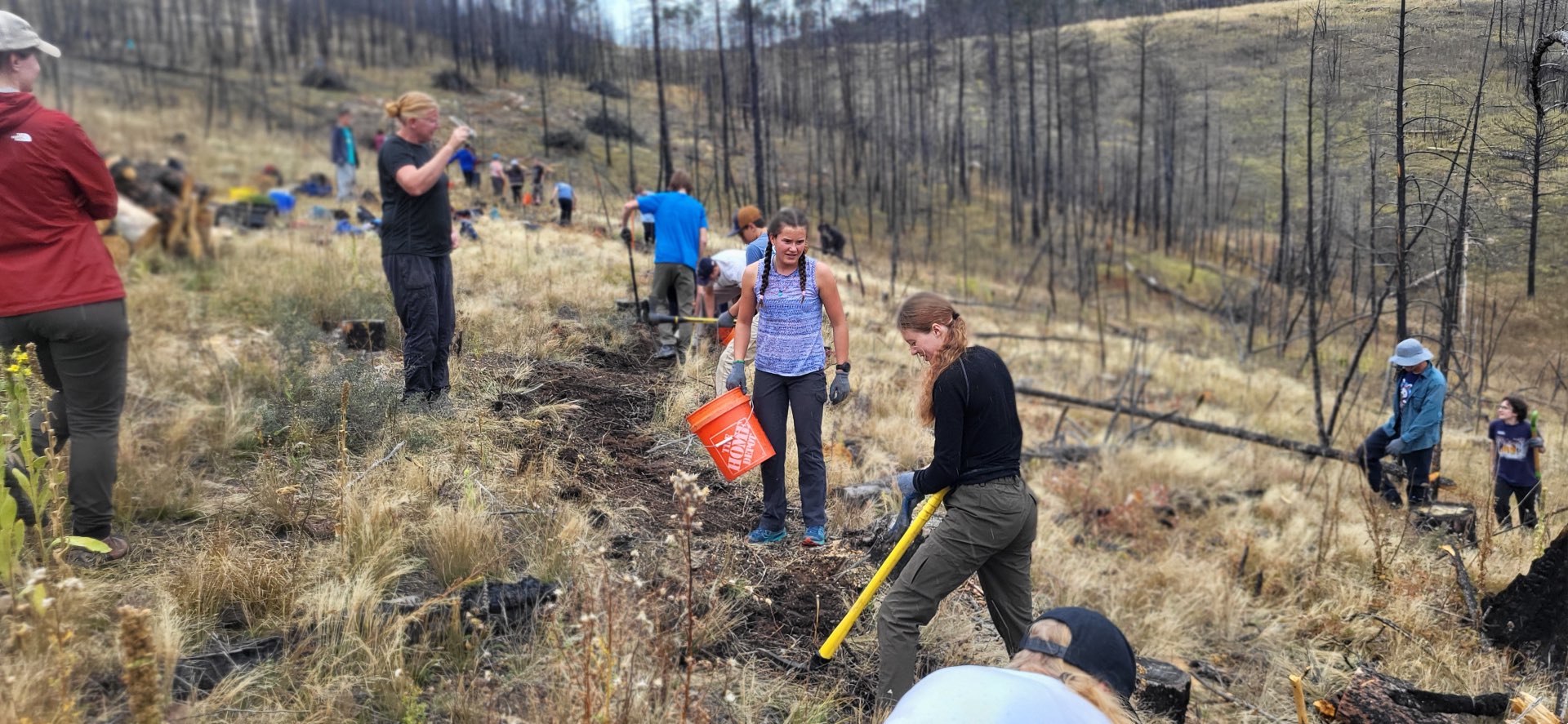
Dive into the heart of the largest mountain system in North America with this immersive, graduate-level field course. Using Cal-Wood Education Center’s stunning 1,200-acre landscape—half of which was transformed by the 2020 Cal-Wood fire—as a living laboratory, students will engage in hands-on fire ecology research and field investigations focused on local species.
 This new course offers a unique opportunity to collaborate with local experts to explore forest regeneration and the interface of urban spaces, wildfire ecology, biodiversity, and community resilience. Whether you're analyzing post-fire recovery impacts or brainstorming environmental management strategies, this course blends academic inquiry with the adventure of working directly on the front lines of forest conservation.
| Course Components | Details |
|---|---|
| In-Person Travel Dates |
June 28 - July 3, 2026 Depending on transportation, students can arrive on the day of the course start and can plan to leave on the course end dates. |
| Full Course Dates |
May to August online |
| Course-Specific Themes |
-Fire ecology research and hands-on experiences. -Wildland-Urban Interface (WUI) Exploration. -Species Reintroduction and Biodiversity Conservation. -Bird Migration and Banding Projects. -Landscape restoration and species reintroductions. |
| Eligibility |
This course is open to any interested current GFP Project Dragonfly master's students (and would count toward your total Earth Expeditions credits), AIP Woodland Park Zoo or Denver Zoo Wildlife Alliance master's students, or anyone who wants to take a standalone course and already has an undergraduate degree *Miami U. undergraduates with Graduate School permission may also apply. |
| Physical Requirements |
A good amount of hiking as students walk to and from field sites each day. Keep in consideration that this course takes place at a higher elevation. |
| Lodging |
Overnights all occur on site at Cal-Wood Education Center; students stay in cabins sharing with 2-6 other participants; shared bathrooms. |
| Course Credits |
3 graduate credits or 5 CEUs (Continuing Educaiton Credits) can be earned. (This course can be combined with another 2-credit Dragonfly graduate course to meet master's program requirements.) |
| Course Costs* |
There are two options to take this course: 1) Earn 3 graduate credits: $640 program fee + $1365 for 3 credits tuition ($455 x 3 credits) + $175 Miami's global programs fee = $2180 2) Earn 5 CEUs (Continuing Education Credits) $640 course fee + $300 instructional cost = $940 All participants cover their own transport to Denver, CO (airport code: DEN or ground transportation) |
*Costs includes meals, water, lodging, activities, course transportation, and park entrance fees. Extra snacks or drinks and optional activities are not included. For additional information, go to our Program Costs page.
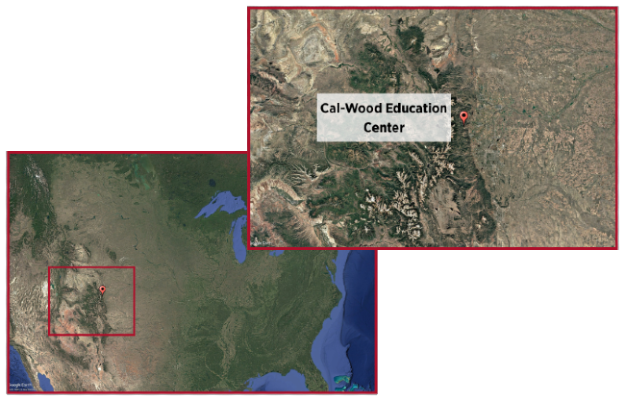
Cal-Wood Education Center is located in Jamestown, Colorado, which is 30 minutes west of Boulder, Colorado, and 45 minutes from Denver. Overnights all take place on-site at Cal-Wood.
Cal-Wood's mission is to offer a unique outdoor educational experience to youth and adults. Our founding vision has guided our organization since 1982: to inspire a greater appreciation for the natural world; to offer environmental education to those who would not otherwise experience it; and to provide unique educational opportunities in a special mountain setting.
(Course locations are subject to change.)
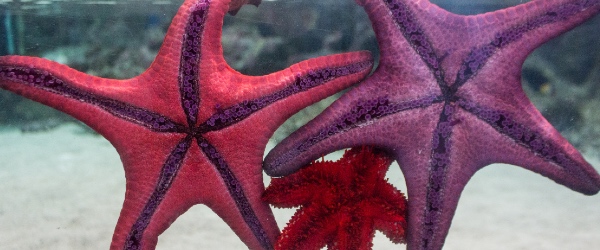
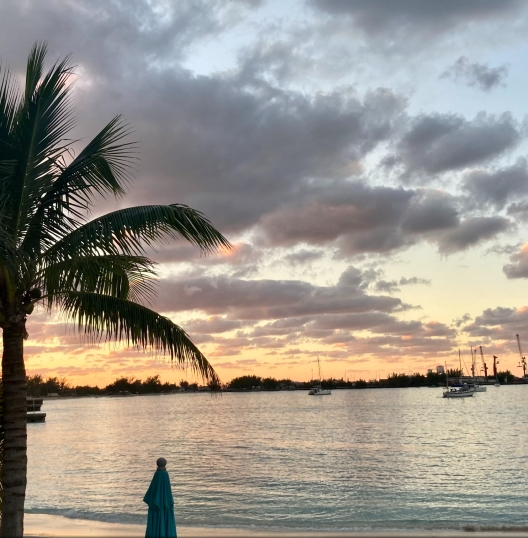
Snorkel in biodiverse marine protected areas, explore unique national parks, and gain an understanding of community-driven initiatives by talking directly with local experts at the forefront of conservation.