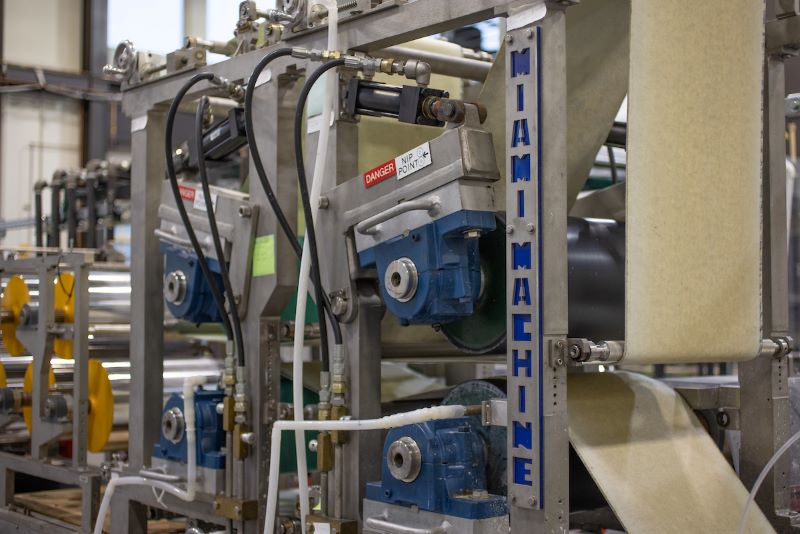
Chemical and Biomedical Engineering, M.S.
A research-focused graduate program culminating in a thesis, designed to prepare students for doctoral study or research-driven careers in chemical and biomedical engineering.

The Chemical, Paper, and Biomedical Engineering (CPB) department offers 3 majors, several minors, and 4 graduate programs. Students learn to apply mathematics, biological and physical sciences, social sciences, economics, and engineering to solve problems pertaining to a diverse range of industries. Graduates from our department are prepared for employment in both public and private sector industries and for advanced education in engineering and professional programs (e.g. medical, law, business).
Biomedical engineering is a branch of engineering that integrates life sciences and engineering. Biomedical engineers analyze, design, synthesize, and test products and processes in a variety of areas, such as medical equipment and instrumentation, pharmaceuticals, biotechnology, prosthetics and biomimetic materials.
Biomedical engineering students learn to apply the concepts of chemistry, physics, biological sciences, and mathematics to solve problems in bioprocess engineering, medical products development, and research and development. Within the biomedical engineering curriculum, students can select technical electives to focus on the following areas: Bioinformatics, Biomedical, Bioinstrumentation, Clinical Engineering, Biomechanics, Biomedical Materials, and Pre-medical.
This degree program is accredited by the Engineering Accreditation Commission of ABET, under the commission’s General Criteria and Program Criteria for Bioengineering and Biomedical and Similarly Named Engineering Programs.
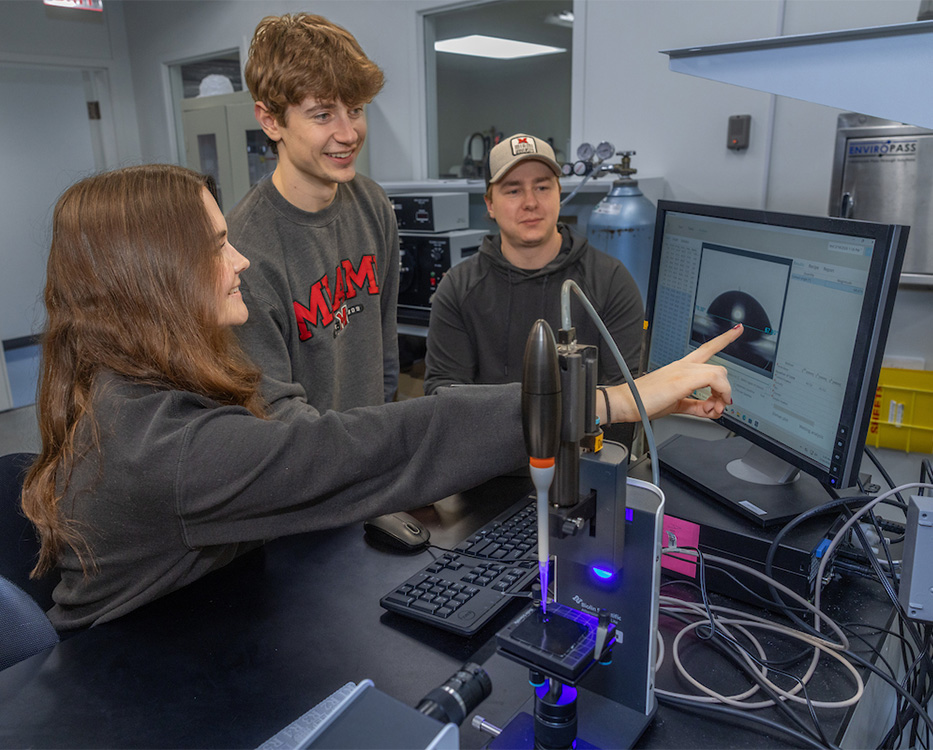
Chemical engineering is a branch of engineering that applies chemistry, physics, biology, and mathematics to problems related to the production, conversion, transport, and use of chemicals and materials. Everything we use each day has involved the transformation of a raw material to a product. Chemical engineers are involved in such transformations through the design, development, maintenance, and analysis of the chemical processes and products, ensured safety and environmental protection, and efficient use of materials and energy.
Numerous industries employ chemical engineers. Examples include chemical manufacturers, manufacturers of paper and synthetic fibers, gas and oil companies, pharmaceutical companies, environmental consultants, and biotechnology firms. Chemical engineers are amongst the highest paid engineers.
This degree program is accredited by the Engineering Accreditation Commission of ABET, under the commission’s General Criteria and Program Criteria for Chemical, Biochemical, Biomolecular, and Similarly Named Engineering Programs.
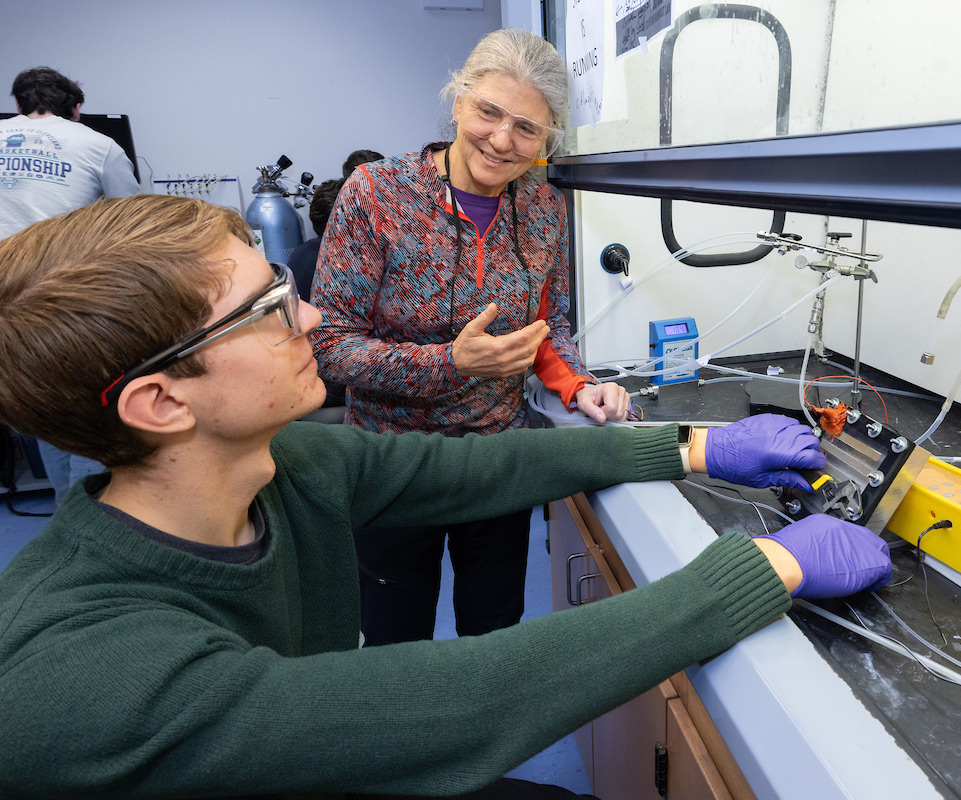
Engineering management offers an interdisciplinary program that integrates engineering, business, the sciences, mathematics, and liberal arts. Students majoring in Engineering Management will graduate with a B.S. in Engineering from the College of Engineering and Computing.
The Chemical, Paper, and Biomedical Department offers two different focus areas of Engineering Management:
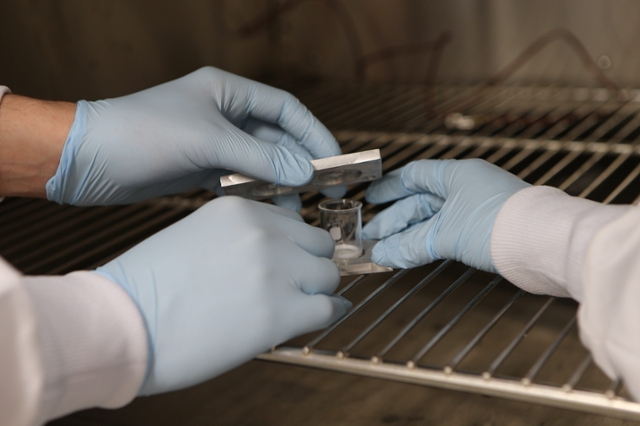
The Electrical Engineering Paper Engineering Certificate offers a distinctive opportunity for electrical engineering majors to gain exposure to the paper industry, thereby enhancing their career prospects. This program is tailored specifically for electrical engineering majors.
A research-focused graduate program culminating in a thesis, designed to prepare students for doctoral study or research-driven careers in chemical and biomedical engineering.
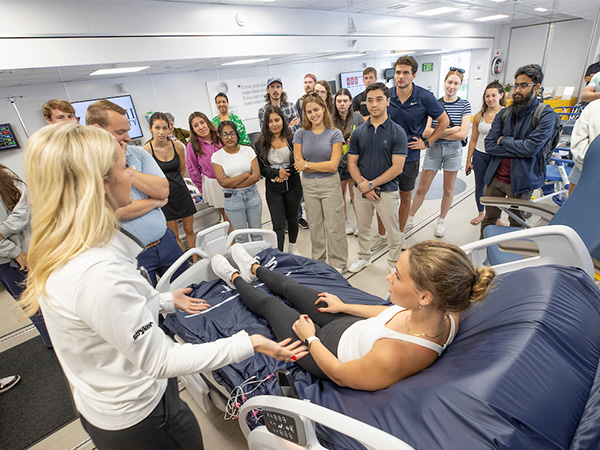
A flexible hybrid program combining advanced clinical engineering coursework with hands-on labs and internships to prepare graduates for the biomedical device industry.

A course-intensive biomedical engineering program focused on real-world learning, interdisciplinary collaboration, and industry experience to prepare graduates for careers in the medical device field.

A rigorous yet flexible chemical engineering program designed to meet industry and environmental needs, offering a comprehensive curriculum that can be completed in one year or part time.

This interdisciplinary Ph.D. in Engineering prepares future leaders for academia and industry through advanced research in six concentrations—Biomedical, Chemical, Electrical and Computer, Mechanical and Manufacturing, Robotics and Automation, and Engineering Physics—while emphasizing real-world societal impact.