Faculty trip plants seeds for growth of AI education at Farmer School
To prepare students for an AI-powered workplace, Farmer School faculty spent a week inside the companies building and deploying AI
Faculty trip plants seeds for growth of AI education at Farmer School
To prepare students for an AI-powered workplace, Farmer School faculty spent a week inside the companies building and deploying AI
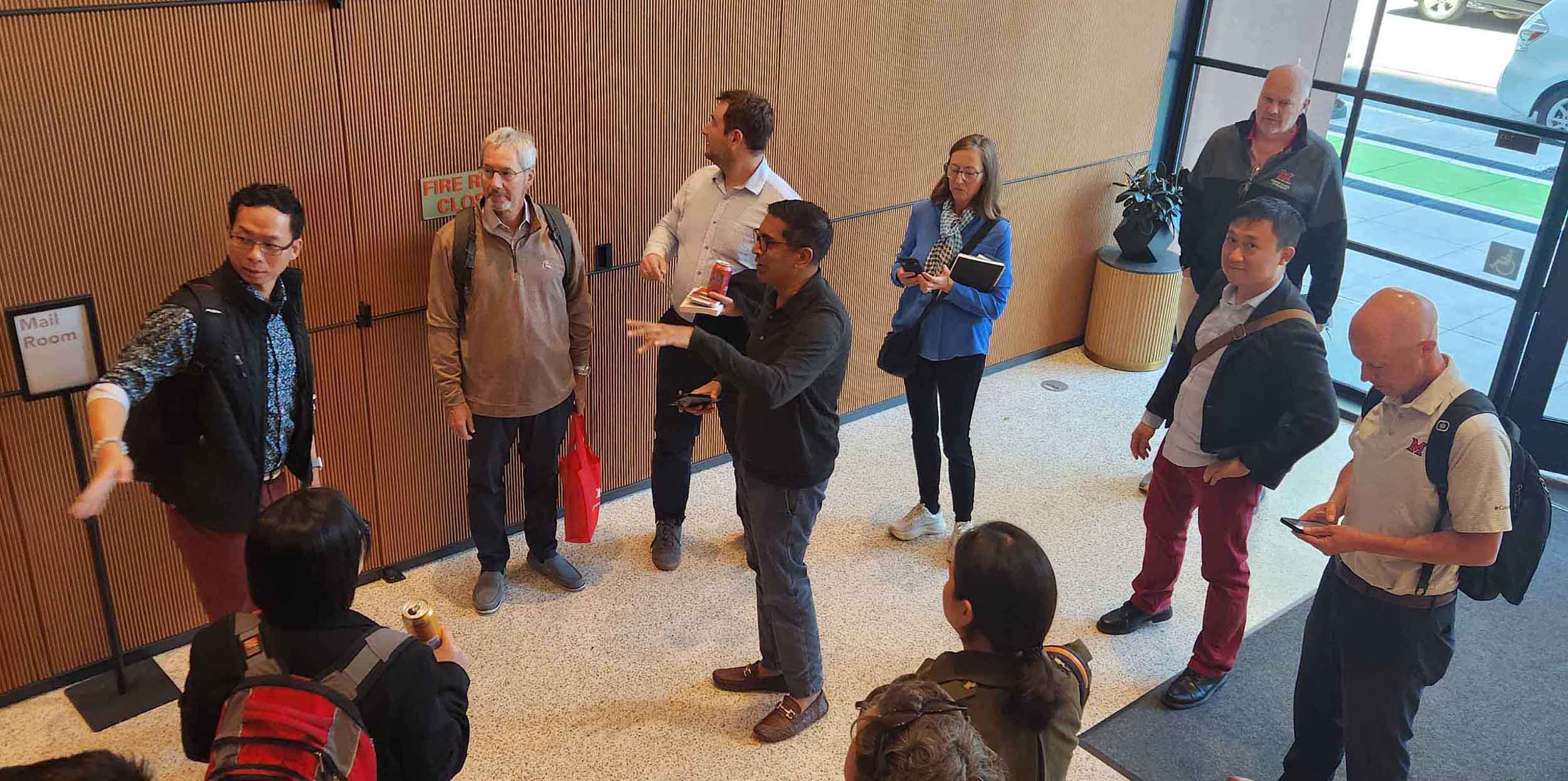
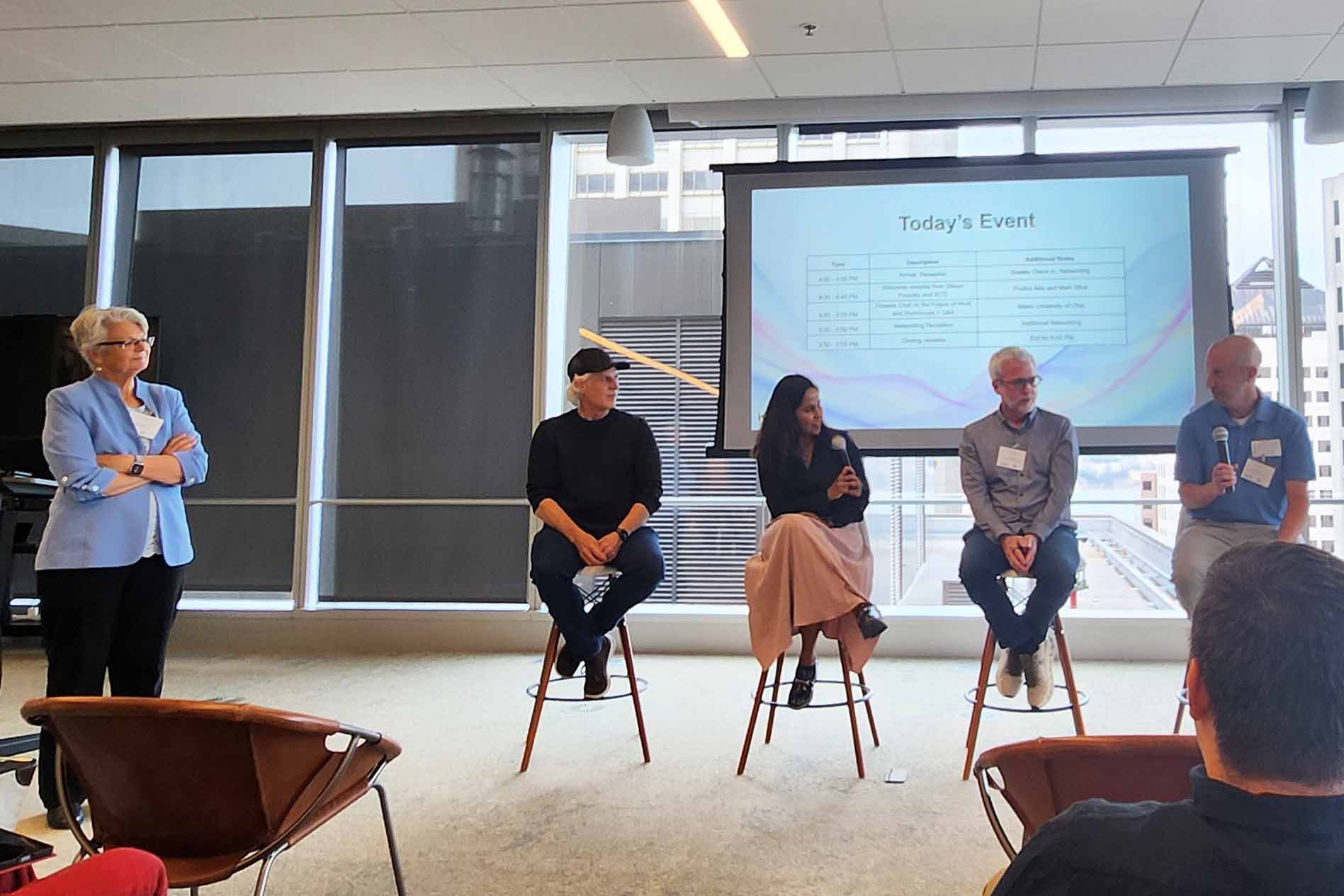
Artificial intelligence is one of the greatest business disruptors of this generation. Instead of waiting for textbooks to catch up, nearly two dozen Farmer faculty members traveled to San Francisco this summer to meet directly with the companies building, investing, and deploying AI.
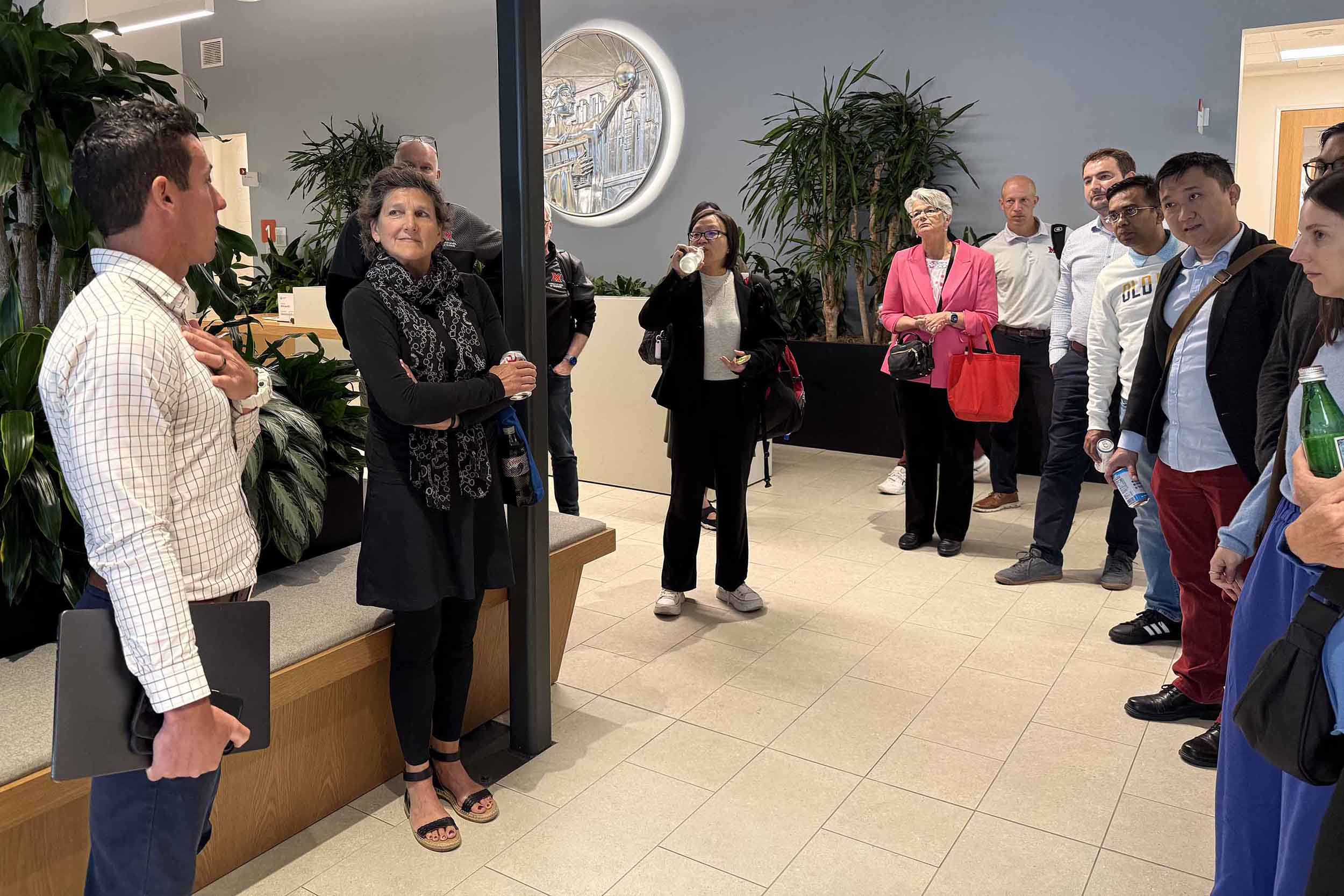
In the course of a week, the group visited more than 30 companies of all sizes.
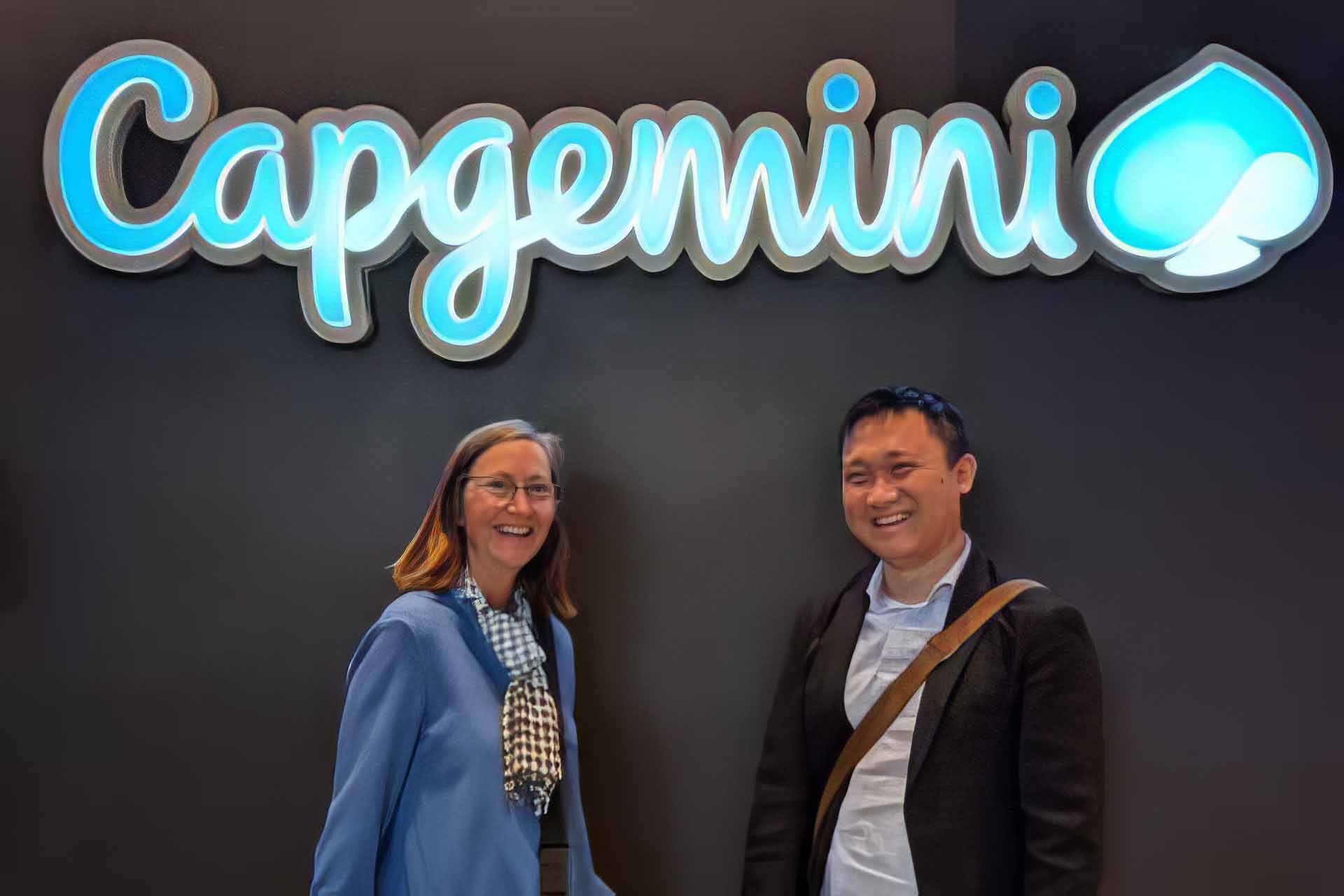
“We went to some large companies, companies that have their own LLMs, like Open AI, we went to consulting firms such as Capgemini. We went to customer relationship management companies like Salesforce. We went to a private equity firm that invests a ton in AI,” Drew Reffett, FSB Associate Dean for Educational Excellence, explained. “And then we heard from small startups, entrepreneurs that might have three people in their organization, all to get a sense of what's going on in the industry.”
So, what did they find in San Francisco? Some said they had concerns about AI’s impact on employment, but discovered that the doom-and-gloom forecasts of ‘AI taking everyone’s jobs’ weren’t quite so gloomy after all.
“Every company is asking its workers to consider two questions. What parts of my job are best done by AI? What parts of my job are best done by me? Our students will need to learn how to think about and answer those questions,” Entrepreneurship associate lecturer Geoff Zoeckler said. “They are looking to hire graduates who act curious, show confidence to explore new things, are willing to learn from failure, and to connect ideas.”
“It's really going to be important for future grads to learn how to interact with AI agents, to learn how to build and focus most on the areas of work that are most human,” Human Capital Management and Leadership professor Hayley Morrison said. “It was interesting to see from the companies’ perspectives where they think that AI use is possible within the workforce, and where we will still need humans to accomplish certain parts of the work.”
“There is still a lot of room in how students can leverage AI, and if students can use AI as a tool, they will come out ahead in the job market,” Economics professor Nam Vu said. “Regardless of what type of technology that we have, we will still need people to be in the loop.”
Marketing professor Hannah Lee said the first couple days of the trip left her with a sense of unease about AI. But she said that by the end of the week, she felt she had a better understanding of the future.
“There really is a place in the market where Miami can really shine, where we can prepare our students for the future, so I think everybody came back home with this sense of hope and a little bit of excitement,” she said. “AI does make our life more efficient, it makes it easier, but there is still room for human intelligence and human authenticity, and that's going to be scarce. I think that's where Miami is going to be able to shine.”
Zoeckler said the visits and discussions with industry leaders helped solidify his thoughts about AI and its impact.
“I wanted to come back with practical ideas for helping my students to think critically in order to use AI well, not just use AI more,” he said.
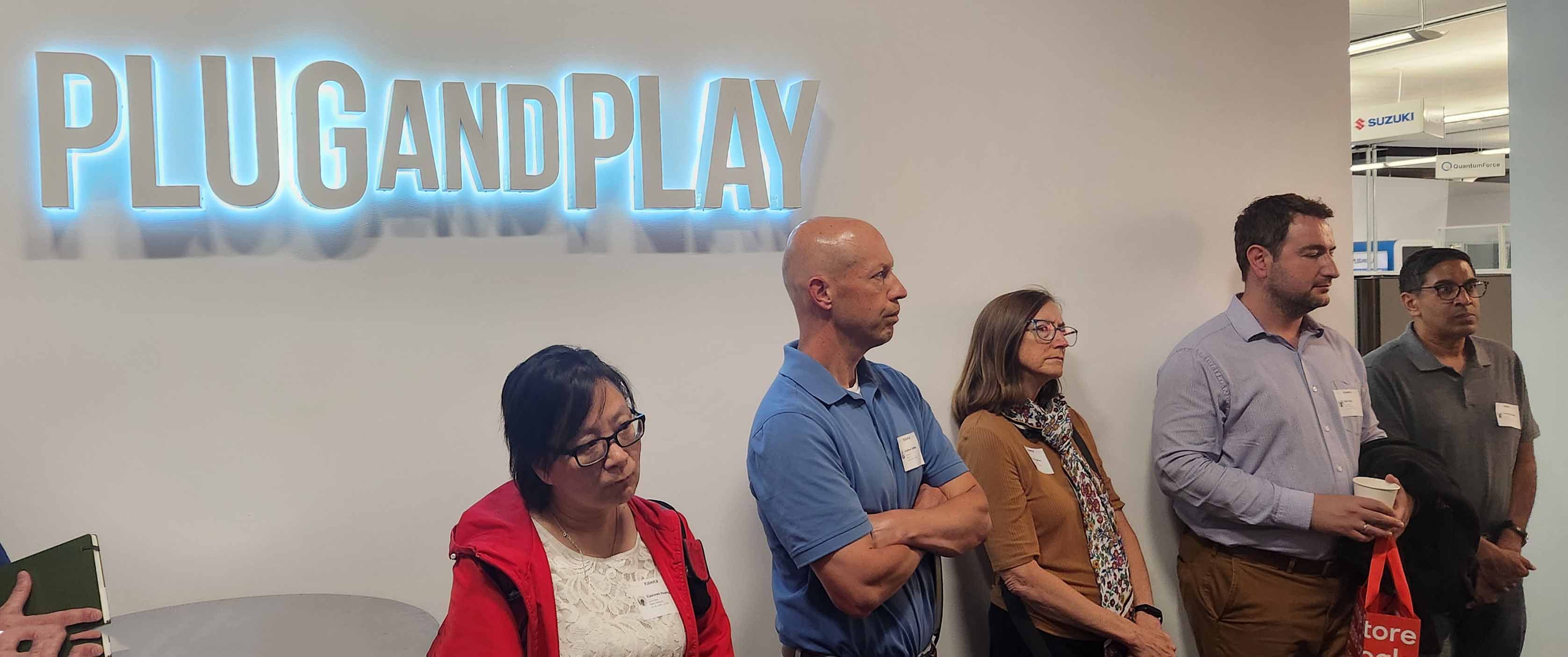
“The trip reinforced something I’ve been thinking about: AI shouldn’t replace our students’ thinking. It should challenge them to think deeper. It should challenge them to develop their own unique voice. It should act as a partner in the process of learning as they work to discover more about who they are and what they are capable of,” Zoeckler said. “The competitive advantage for Miami’s business students will not be knowing the right answer first, but asking better questions, identifying opportunities others miss, and exercising the judgment to know when human insight and creativity matters most.”
Reffett said that efforts to raise AI literacy have already begun at the Farmer School with the creation of the AI in business initiative and the new and revised learning goals and objectives that went into effect last year. Miami University as a whole has invested heavily in discovering ways to effectively utilize AI and pass that knowledge on to students.
“We need every one of our students to be fluent in AI, and that needs to be a coordinated effort within the business school,” McGuire explained. “The hard work comes now, which is understanding where companies are in their own AI usage and needs. We need to get busy understanding those needs so that we’re taking these students and developing the skill sets that they’ll need for those organizations.”